Lede
In the final part of a series examining Poland’s transformation since Soviet rule, citizens describe an economy where wages have risen sharply but so have living expenses. The contrast mirrors a broader national conversation about identity, progress, and historical memory.
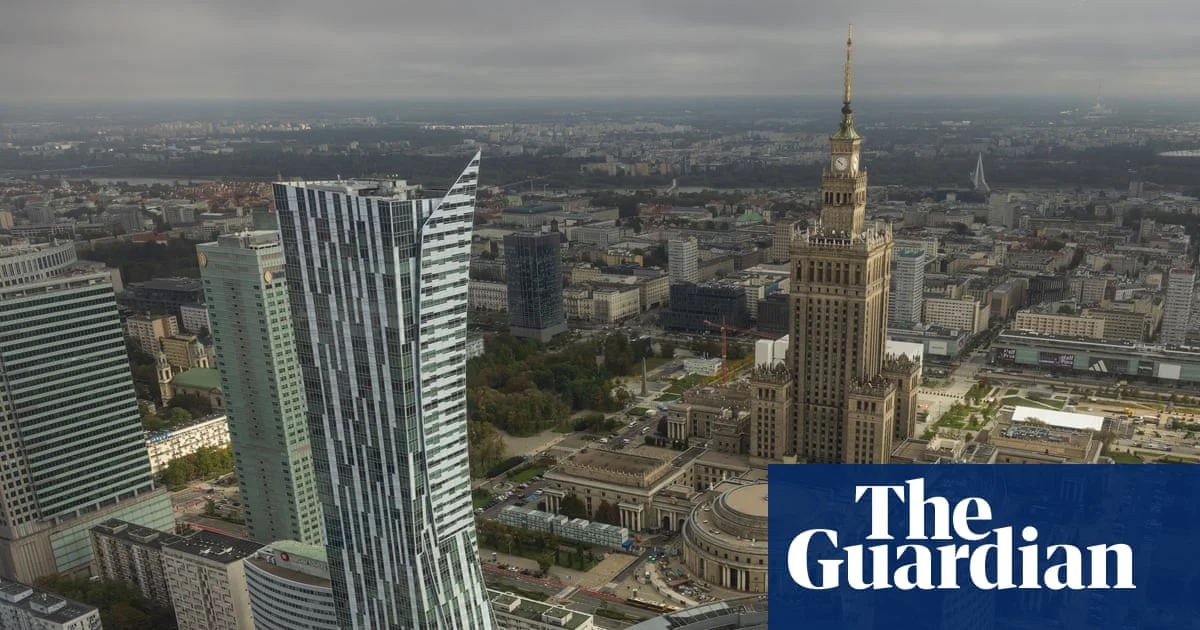
Above Warsaw’s rain-soaked streets, the observation deck of the Varso tower offers views of the Palace of Culture and Science—a gift from Joseph Stalin that remains divisive. Some see it as a relic of oppression; others view it as an enduring symbol of resilience and architectural legacy.
Key Facts
- Wages in Poland have increased significantly since the end of Soviet influence.
- The cost of living has risen alongside wage growth.
- The Palace of Culture and Science was a gift from Joseph Stalin to Poland.
- The building continues to divide public opinion decades after its construction.
- A new observation deck atop the Varso tower overlooks the historic structure.
The Story
What happens next?
As Poland positions itself as a regional tech hub, attention turns to sustaining economic momentum amid inflationary pressures affecting household budgets. Citizens interviewed noted that while income levels have climbed compared to earlier decades, higher costs for housing, energy, and goods often offset gains. This dynamic poses challenges for policymakers aiming to maintain social stability and consumer confidence. The government faces balancing acts between supporting businesses, managing subsidies, and ensuring wages keep pace with expenses—an equation complicated further by global supply chain disruptions and shifting trade relationships. How effectively these tensions are resolved may shape voter sentiment ahead of upcoming elections and influence investment flows into emerging sectors like artificial intelligence and green technology across Central Europe.
Who is affected?
Polish households feel the direct impact of rising prices even as average earnings grow, especially younger workers entering the labor market and families spending on essentials like food and utilities. Young professionals relocating to cities such as Warsaw observe these changes firsthand—drawn by job opportunities yet confronted with steep rents and urban congestion near landmarks like the Palace of Culture. Retirees relying on fixed incomes also struggle when pension adjustments lag behind inflation trends. Meanwhile, entrepreneurs capitalizing on low-interest rates before potential shifts express cautious optimism about scaling ventures tied to digital infrastructure or renewable projects. Their decisions affect employment rates and local demand patterns throughout communities experiencing generational shifts rooted in post-communist transformation.
How did we get here?
Following the collapse of communist regimes across Eastern Europe three decades ago, Poland embarked on rapid privatization and market liberalization reforms aligning more closely with Western institutions including the European Union. These transitions enabled foreign direct investment inflows fueling manufacturing expansion particularly automotive industries alongside service sector development attracting multinational corporations seeking competitive workforce advantages within transitioning economies. Concurrently, EU membership brought structural funds supporting infrastructure upgrades modernizing transport networks enhancing connectivity between regions fostering innovation hubs centered around academic research centers cultivating ecosystems conducive for startups specializing in fintech agritech biotech sectors building upon foundations laid during earlier industrialization phases under different political systems shaped by ideological frameworks vastly disparate from today’s democratic governance model emphasizing entrepreneurship individual freedoms property rights legal frameworks protecting investor interests attracting continued international collaborations despite lingering geopolitical uncertainties surrounding neighboring conflicts impacting energy security strategies affecting long-term planning horizons among domestic stakeholders navigating evolving landscapes shaped by both internal aspirations external influences balancing tradition progress imperatives defining contemporary discourse regarding national development pathways forward.
What We Know — and What We Don’t
Verified by the source:
- Poland has seen rising wages since the Soviet era.
- Living costs have increased along with those wages.
- The Palace of Culture and Science was originally a gift from the Soviet Union.
- Public views toward the building remain split between heritage pride and political criticism.
- The Varso tower includes an observation deck overlooking central Warsaw.
Still unconfirmed:
- Specific wage or price increase figures are not provided.
- No individual voices or personal testimonies are quoted directly.
- The timeline of construction or renovation details for the Varso tower are absent.
- Exact locations beyond Warsaw are not referenced beyond general mention.
- No official statistics or government data corroborate the claims made.
Why It Matters
Poland’s journey reflects the wider experience of nations transitioning from centrally planned to market-driven economies. Understanding how ordinary citizens navigate shifting economic realities helps contextualize broader trends in migration, labor mobility, and regional competitiveness across emerging markets trying to balance stability with ambition.
What To Watch
Future reporting will likely explore whether wage growth can sustain purchasing power amid persistent inflation and how urban development projects continue reshaping skylines and societal attitudes alike.
Poland’s economy has evolved dramatically since Soviet times, with citizens noting rising wages but also climbing living costs against a backdrop of enduring architectural symbols.