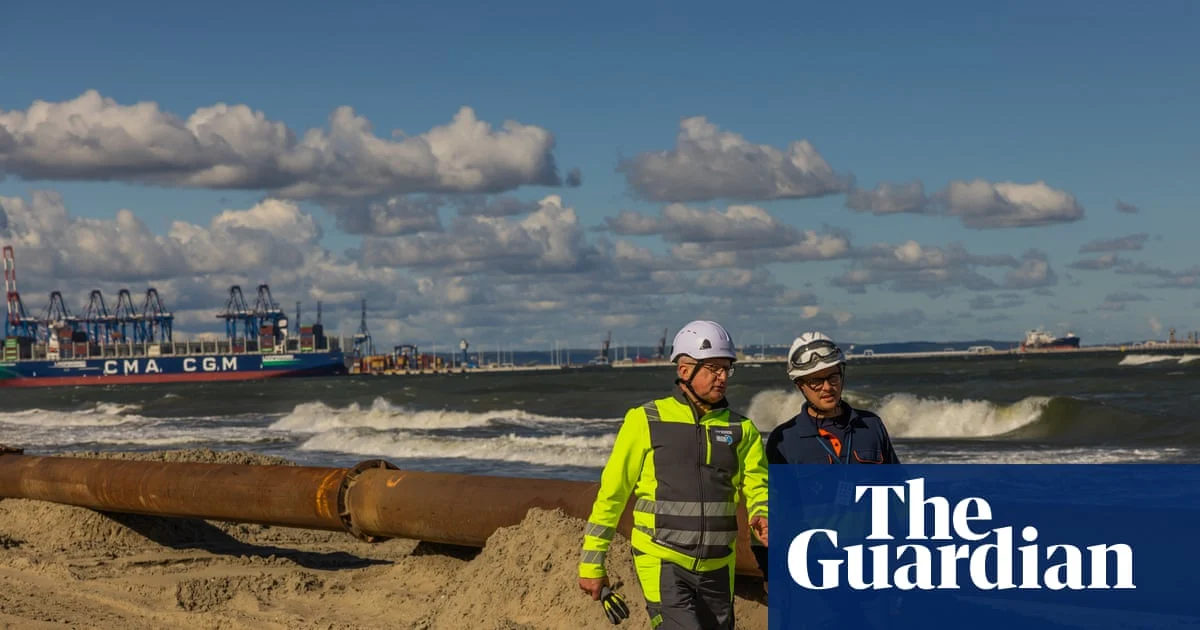
Poland is advancing energy resilience as part of a broader European push to secure alternative energy supplies following the cutoff of Russian gas after the invasion of Ukraine. Two miles off the coast of Gdałuchałowo, near Gdańsk, the foundations of Poland’s first offshore gas terminal are rising from the Baltic Sea, symbolizing the country’s efforts to build energy independence alongside its Baltic neighbors.
The terminal, featuring white steel piles installed above sea level, is part of a wider initiative to diversify Poland’s energy mix. Since Russian gas supplies were cut off, Poland has increasingly relied on the global energy market, facing volatile prices driven by conflict in the Middle East. Strengthening regional energy resilience remains a top priority for Warsaw and the European Union at large.
KEY FACTS
- Poland is expanding energy resilience through an offshore gas terminal in the Baltic Sea.
- The terminal is located two miles off the coast near Gdańsk.
- Construction includes white steel piles and floating cranes above sea level.
- Russian gas was cut off after the invasion of Ukraine four years ago.
- Diverse energy sourcing remains a top priority for Poland and the EU.
The Story
How did we get here?
The shift toward energy resilience began when Russia halted gas supplies to Poland in response to the country’s support for Ukraine. The cutoff occurred four years ago, prompting Warsaw to seek alternative sources and reduce reliance on a single supplier.
Since then, Poland has turned to liquefied natural gas (LNG) terminals and cross-border pipelines to import fuel from global markets. However, instability in the Middle East has driven oil and gas prices upward, increasing the urgency for long-term energy solutions.
Regional cooperation with Baltic neighbors has also grown, with joint investments in infrastructure aimed at creating a more resilient and interconnected energy network across Northern Europe.
What happens next?
The completed offshore terminal is expected to enhance Poland’s storage and import capacity, providing greater flexibility during supply disruptions. Additional projects, including expanded LNG facilities and grid interconnectors, are under development.
European Union funding continues to support member states investing in energy infrastructure. These efforts aim to solidify energy resilience not only for Poland but for neighboring countries dependent on imported fuels.
The success of these initiatives will influence future EU energy policy and defense strategies, reinforcing the bloc’s commitment to collective energy security.
What We Know — and What We Don’
Verified by the source:
- Poland is constructing its first offshore gas terminal in the Baltic Sea.
- The project is located two miles off the coast near Gdańsk.
- The terminal features white steel piles and floating cranes above sea level.
- Russian gas supplies were cut off four years ago following the invasion of Ukraine.
- Diverse energy sourcing is a top priority for Poland and the EU.
Still unconfirmed:
- Exact completion date for the offshore gas terminal.
- Specific cost and funding breakdown of the project.
- Names of contractors or engineering firms involved.
- Projected storage capacity once the terminal becomes operational.
Why It Matters
Energy resilience is central to both national security and economic stability in Europe. By reducing dependence on Russian energy, Poland and its EU partners aim to insulate themselves from geopolitical coercion and price shocks. This transition also reflects a broader realignment of European energy policy amid ongoing conflicts and shifting global supply chains.
What To Watch
Further developments in the terminal construction and regional energy partnerships will indicate progress toward EU energy resilience. Updates on pricing trends and new supply agreements may also influence future energy strategies.
Meta description: Poland is building an offshore gas terminal as part of EU efforts to strengthen energy resilience after losing access to Russian gas.