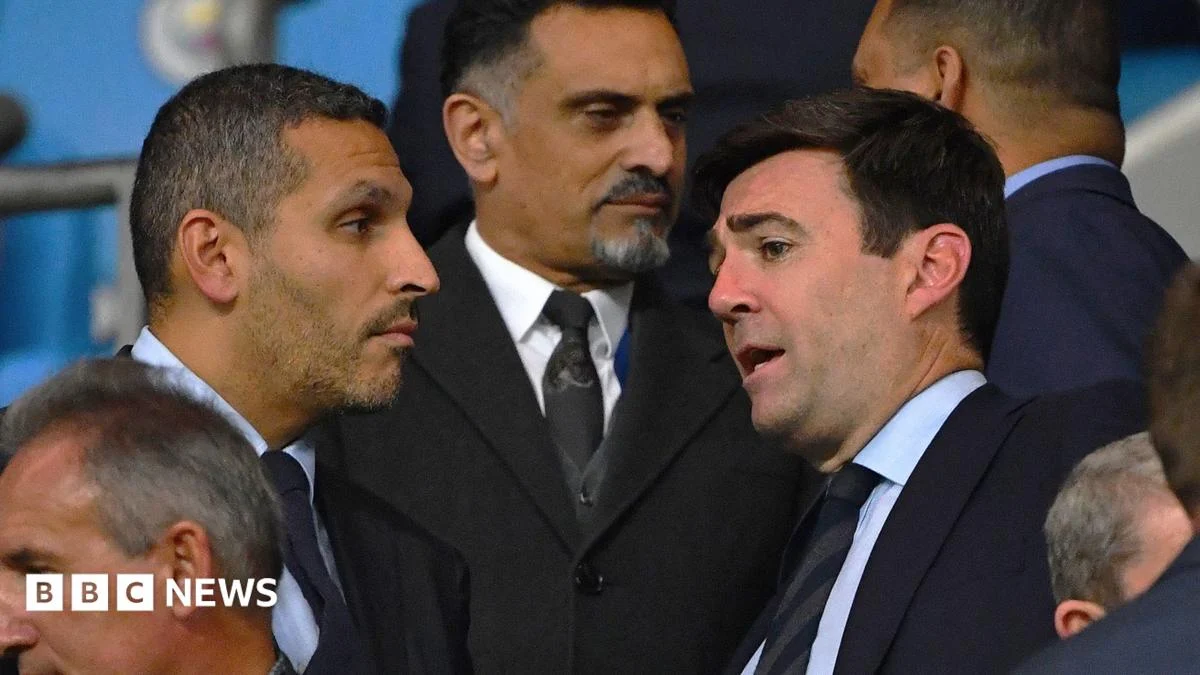
The prime minister said he would be really concerned if the owners of Manchester City sell the club after Premier League rule breaches, stating the team is not above the rules.
The prime minister addressed the controversy surrounding Manchester City and possible Premier League rule breaches, responding to public and political pressure following previous comments by another official.
His remarks came after significant backlash over perceived leniency or mischaracterization of the situation, prompting Number 10 to clarify the government’s position on the matter.
KEY FACTS
- The prime minister said Manchester City are not above the rules after Premier League rule breaches.
- He expressed concern about the club being sold following the rule breaches.
- The comments followed backlash over remarks about Manchester City and the rule breaches.
- Number 10 responded to criticism related to the Premier League rule breaches.
What happened next?
The prime minister’s statement reflects ongoing political and public scrutiny over how serious rule breaches by major clubs are handled. While the Premier League operates independently, the government’s involvement highlights growing concern about integrity in English football. The exact nature and consequences of any potential sale remain unclear as discussions evolve.
The government’s stance indicates that any resolution involving the club must be transparent and consistent with established regulatory principles. This reinforces the idea that no organization, regardless of stature or financial power, can operate outside the bounds of the rules set by governing bodies like the Premier League.
Political attention on football governance continues to rise, especially amid debates around accountability mechanisms for high-profile violations. The prime minister’s remarks signal a broader expectation that enforcement should be uniform and decisive, even when powerful entities are involved.
How did we get here?
Recent events have placed Manchester City under intense scrutiny due to reported Premier League rule breaches. These allegations have sparked widespread debate across media platforms and within political circles. Government officials have increasingly weighed in, suggesting that the issue extends beyond sport into questions of fairness and regulation.
Amid rising public interest, Number 10 was drawn into defending or contextualizing prior reactions, including those made by other political figures. Their response aimed to restore confidence in the impartiality of processes governing professional football. The situation underscores how sports-related controversies can quickly escalate into matters of national policy discussion.
As hearings proceed and legal frameworks are examined, stakeholders continue calling for stronger oversight. The government’s messaging now emphasizes adherence to rules while stopping short of directly interfering in ongoing proceedings.
What We Know — and What We Don’t
Verified by the source:
- The prime minister said Manchester City are not above the rules after Premier League rule breaches.
- He would be really concerned if the club is sold following the rule breaches.
- His comments followed backlash over remarks made about the situation involving rule breaches.
- Number 10 addressed criticism tied to Premier League rule breaches.
Still unconfirmed:
- The specific details or findings behind the alleged Premier League rule breaches.
- Whether an actual sale of Manchester City is underway or merely speculated.
- Any formal timeline for decisions or announcements regarding penalties.
Why It Matters
The situation raises broader questions about how elite sporting organizations are regulated and held accountable. For fans and taxpayers alike, ensuring equitable treatment under sports law aligns with wider values of transparency and justice in public life. How institutions respond sets precedents that could influence future policies affecting major commercial ventures and community interests.
What To Watch
Further developments may include official rulings from the Premier League or additional statements from political leaders. Any confirmation of ownership changes will likely draw renewed scrutiny from both regulatory bodies and policymakers.