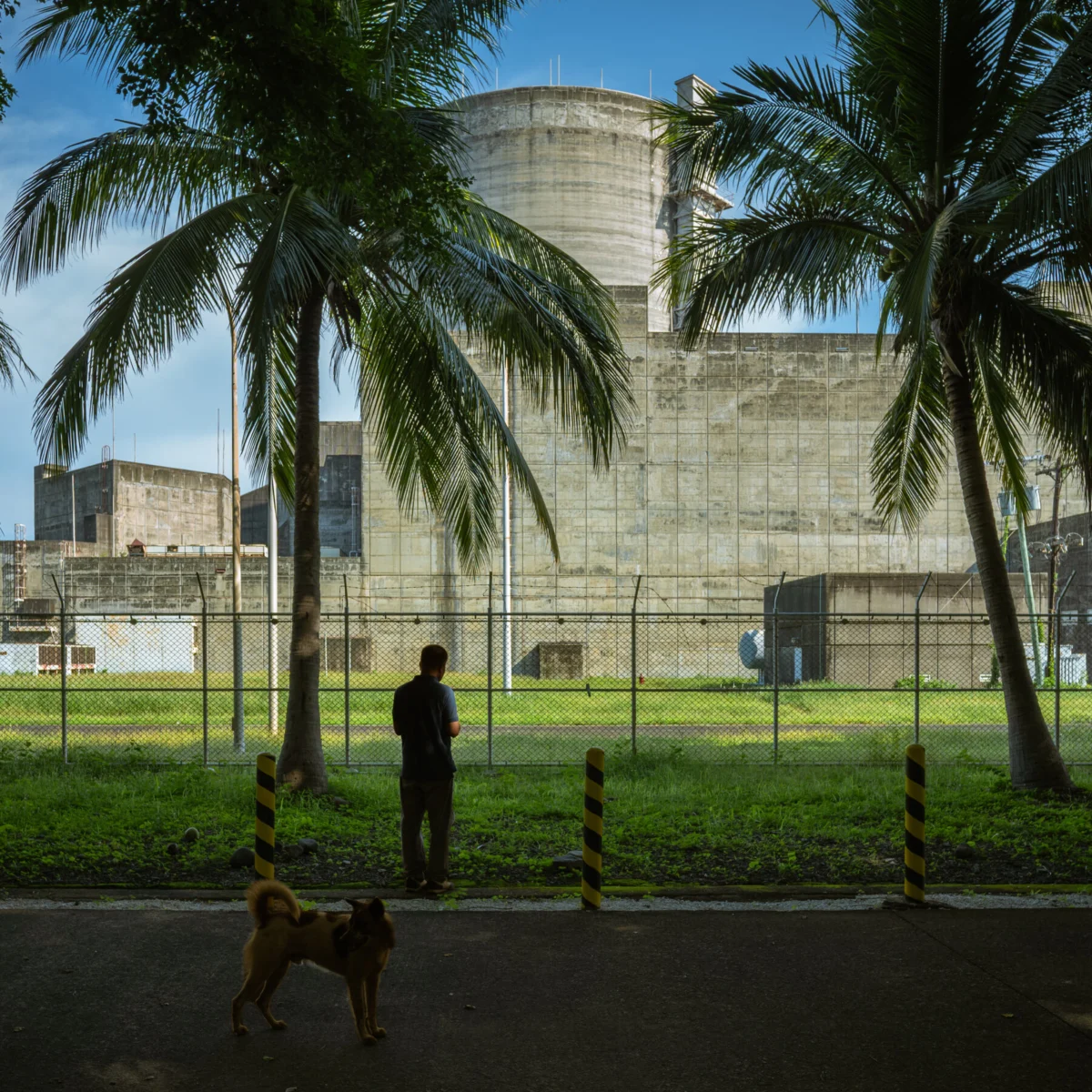
The Philippine government is weighing whether to fire up a long-idled nuclear plant as part of a broader push to insulate the country from volatile global energy markets. The facility, located in Bataan, has remained shuttered for about four decades while officials explore nuclear power options to stabilize future energy supply. The Philippine nuclear plant remains a divisive legacy project that could soon confront a decisive political and technical choice.
The government’s renewed interest in nuclear energy comes amid concerns over exposure to external energy price swings, a challenge facing many import-dependent nations.
Key Facts
- The Philippine nuclear plant in Bataan has been mothballed for about 40 years.
- The government is exploring nuclear power options to guard against global energy shocks.
- One proposal involves switching on the long-unused Philippine nuclear plant.
How did we get here?
The Philippine nuclear plant was built decades ago but never fully operationalized, leaving it in a prolonged state of dormancy. Since then, the facility has symbolized both the country’s energy ambitions and its institutional challenges in executing large-scale infrastructure projects.
Governments have periodically revisited the site amid rising electricity demand and energy security concerns, yet no consensus on its future has emerged. The renewed push reflects a global trend toward nuclear energy as a low-carbon baseload option, even as domestic skepticism lingers over safety, cost, and transparency in project implementation.
What happens next?
The fate of the Philippine nuclear plant now rests with ongoing policy deliberations, which could determine whether the dormant facility is revived or left to decay. Decision-makers must weigh energy independence against long-standing public reservations about nuclear technology.
Affected communities and policymakers are likely watching closely. Whatever outcome emerges, it will shape how the Philippines balances energy resilience with risk management for generations to come.
What We Know — and What We Don’t
Verified by the source:
- The Philippine nuclear plant in Bataan has been idle for roughly 40 years.
- The government is considering nuclear power as a buffer against global energy shocks.
- The plant is among the proposals under review for reactivation.
Still unconfirmed:
- The specific timeline or conditions under which the plant might resume operations.
- Detailed estimates of cost, safety measures, or technical readiness.
- Names of officials or agencies leading the decision process.
Why It Matters
The Philippine nuclear plant debate reflects a wider struggle across emerging economies: securing reliable, affordable, and clean energy while navigating public trust and fiscal constraints. How the Philippines resolves this question could influence regional energy policy and investor sentiment toward aging nuclear assets worldwide.
What To Watch
Decision-makers have yet to announce a formal timeline for resolving the future of the Philippine nuclear plant, leaving stakeholders in limbo for now.