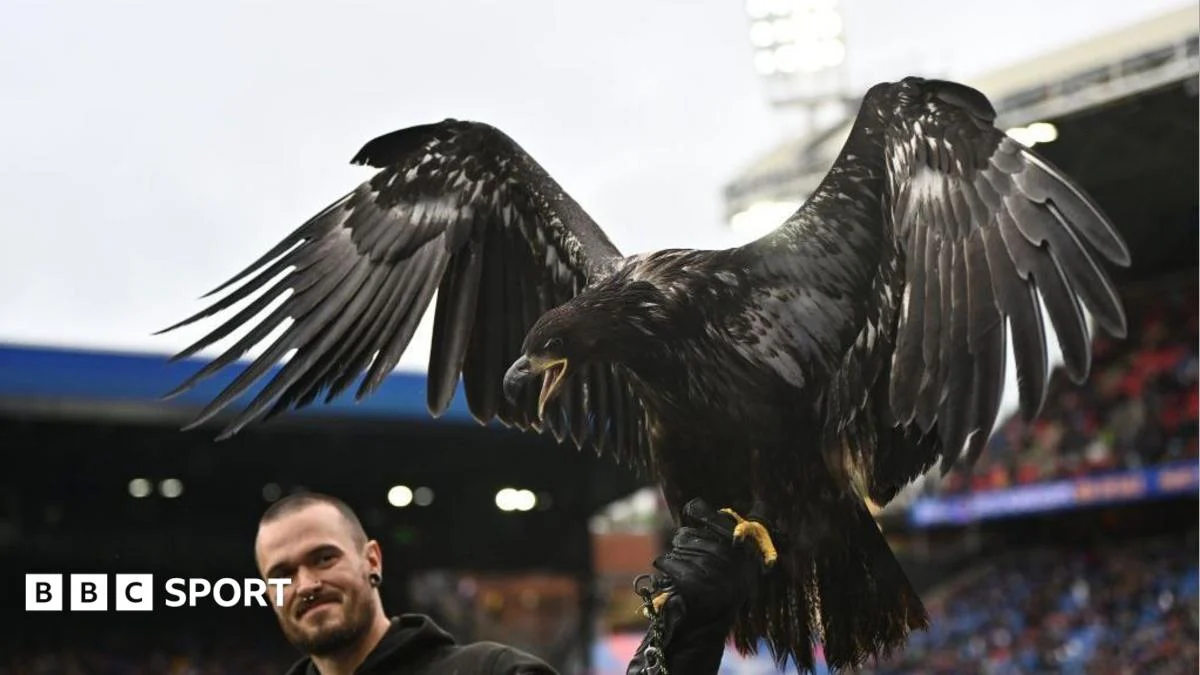
Animal rights organisation Peta has urged Crystal Palace to retire their bald eagle mascot from future fixtures and events. The group argues that a bright stadium filled with boisterous fans is no place for animals, citing potential welfare concerns. No further details were provided by either Peta or the football club regarding the specific eagle involved or how long the practice has lasted.
The request forms part of broader pressure from animal welfare groups urging sports venues across the UK to reconsider using live animals during matches. Crystal Palace have yet to publicly respond to Peta’s appeal, and questions remain about whether any policy changes will follow. The bald eagle mascot has historically appeared at select home games, though exact usage patterns are unconfirmed.
KEY FACTS
- Peta urged Crystal Palace to retire their bald eagle mascot.
- Peta said a “bright stadium filled with boisterous fans is no place for animals”.
- No official comment from Crystal Palace has been reported so far.
The Animal Welfare Angle
Peta’s statement focuses on the stress and danger that large crowds, loud noises, and fast-moving environments can pose to wild birds like bald eagles. Advocates argue that even well-cared-for birds may experience heightened anxiety or injury risks in such settings. While some clubs use trained birds for ceremonial purposes, critics say the benefits to spectacle outweigh animal welfare considerations. Whether Crystal Palace’s eagle is privately owned or licensed by a falconry is unclear. Licensing rules for birds of prey in England require permits under the Wildlife and Countryside Act 1981, but compliance details are not publicly disclosed here. Any retirement decision would likely depend on internal reviews and dialogue with wildlife authorities.
What Happens Next?
Following Peta’s public appeal, attention now turns to whether Crystal Palace will engage with the organisation or initiate its own review. Clubs often consult with animal welfare experts, local councils, and stadium safety officers before making decisions involving live animals. Past cases involving mascots – including an owl at another Premier League ground – have led to quiet retirements or relocations. However, no timeline for action has been announced by Crystal Palace. The club’s next scheduled home fixture may provide a focal point for campaigners. Meanwhile, Peta could escalate pressure through social media or formal complaints to regulatory bodies. Supporters are also weighing in online, with mixed views expressed on tradition versus ethics.
Background and Broader Context
Using animals as mascots or symbols has long been part of football culture globally, from live bears to falcons. In recent years, shifting public attitudes toward animal rights have prompted increased scrutiny. Some clubs have phased out live animal appearances entirely in favour of costumed characters or digital projections. In the UK, the use of birds of prey at sporting events requires adherence to strict licensing regimes enforced by Natural England and local wildlife trusts. Clubs found non-compliant risk fines or suspension of permits. Peta has previously campaigned against similar practices at other sports venues, sometimes partnering with fan groups to amplify messages. Whether this latest push gains traction may hinge on public response and media coverage in the coming weeks. For now, the future of the bald eagle mascot remains uncertain.
WHAT WE KNOW / WHAT WE DON’T
Verified by the source:
- Peta has publicly urged Crystal Palace to retire their bald eagle mascot.
- Peta believes a loud, crowded stadium poses risks to animals.
- BBC Sport reported Peta’s statement but no club response was included.
Still unconfirmed:
- Identity or training background of the bald eagle mascot.
- How frequently the eagle appears at matches.
- Any formal licensing status held by the bird or handler.
- Whether Crystal Palace plans to respond to the appeal.
- Timeline for any potential policy review or change.
WHY IT MATTERS
This story reflects growing societal tensions between sporting traditions and modern animal welfare expectations. As younger audiences increasingly value ethical treatment of animals, clubs face reputational pressure to evolve practices once seen as harmless. The outcome of this case could set precedent for other teams relying on live mascots or ceremonial animals.
WHAT TO WATCH
All eyes are now on Crystal Palace for an official stance. A public response or policy update within the next month would clarify the eagle’s fate. Watch our sports archive for updates, and explore related stories in climate-environment.