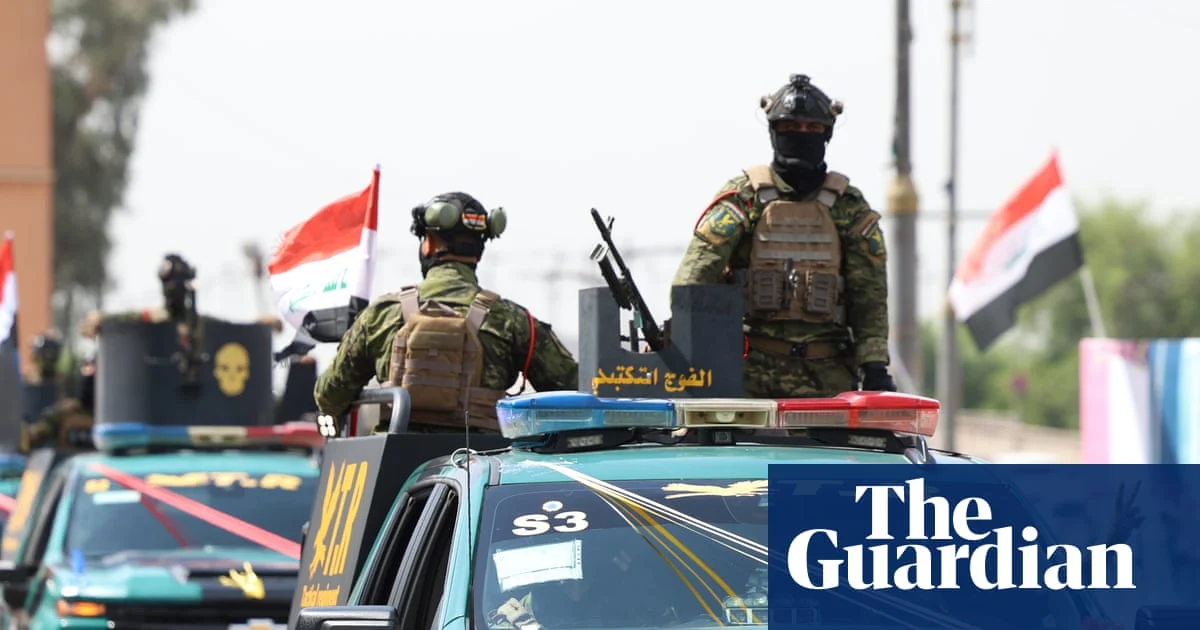
The Pentagon confirmed on Wednesday that it has formally completed the withdrawal of US troops from Iraq, capping a mission that began twelve years ago to fight the Islamic State. The move fulfills an agreement reached two years prior to begin pulling American forces from the country. The formal completion signals the end of a prolonged US military presence in Iraq.
The announcement follows years of negotiations and shifting objectives for US forces in the region. After the formal withdrawal was agreed to, the process took additional time to finalize logistics and security arrangements. The mission originally launched twelve years ago to target the Islamic State, and over time evolved to include training and support roles for Iraqi security forces.
### Key Facts
– The Pentagon announced it has formally completed the US troop withdrawal from Iraq.
– The withdrawal was agreed to two years ago before this week’s formal completion.
– The US mission to fight the Islamic State began twelve years ago.
– Iran and its allies celebrated the departure as a victory.
– Iraqi security experts worry the withdrawal may allow the Islamic State to recover.
### Who Is Affected?
The withdrawal reshapes the regional balance of power and affects several key actors. Iranian influence in Iraq is expected to grow now that US forces have departed, which likely contributed to Tehran and its allies celebrating the departure. At the same time, Iraqi security professionals expressed concern that reduced US presence could create space for the Islamic State to regroup. That dynamic suggests ongoing instability even as formal combat operations conclude.
### What Happens Next?
With US forces fully withdrawn, attention turns to how Iraq and its partners will manage security moving forward. Iraqi security forces and allied militias will assume primary responsibility for holding territory once held by the Islamic State. Regional powers, especially Iran, may expand their influence in the vacuum. Monitoring whether extremist groups attempt resurgences will determine whether the withdrawal proves lasting or merely a tactical pause.
### How Did We Get Here?
The withdrawal traces back to an agreement made two years ago between US and Iraqi officials to begin removing American troops. That timeline aligns with the conclusion of the Islamic State’s territorial peak, which emerged roughly twelve years ago when the US first launched its campaign. Since then, the mission shifted from frontline combat to advisory and support roles, gradually reducing visibility and footprint until full withdrawal became possible. The pace of pullout reflected both military progress and diplomatic coordination.
## What We Know — and What We Don’t
**Verified by the source:**
– The Pentagon announced the formal completion of the US troop withdrawal from Iraq.
– The withdrawal was agreed upon two years ago.
– The US mission against the Islamic State began twelve years ago.
– Iran and allied groups celebrated the departure.
– Iraqi security experts raised concerns about potential Islamic State resurgence.
**Still unconfirmed:**
– Exact number of troops withdrawn or remaining in advisory roles.
– Whether any residual US personnel remain in non-combat capacities.
– Specific dates when the agreement was finalized.
– Names of officials who confirmed or commented on the withdrawal.
– Detailed breakdown of how the withdrawal was implemented.
## Why It Matters
The withdrawal marks the latest chapter in America’s long-running engagement in the Middle East and affects how regional powers project influence. A reduced US footprint may embolden actors like Iran while challenging Iraqi forces to maintain stability without direct Western backing.
## What To Watch
Future statements from the Pentagon or Iraqi government may clarify whether any advisory or counterterrorism personnel remain beyond the formal withdrawal.
Meta description: US troop withdrawal from Iraq is complete, the Pentagon said, ending a twelve-year mission against the Islamic State.