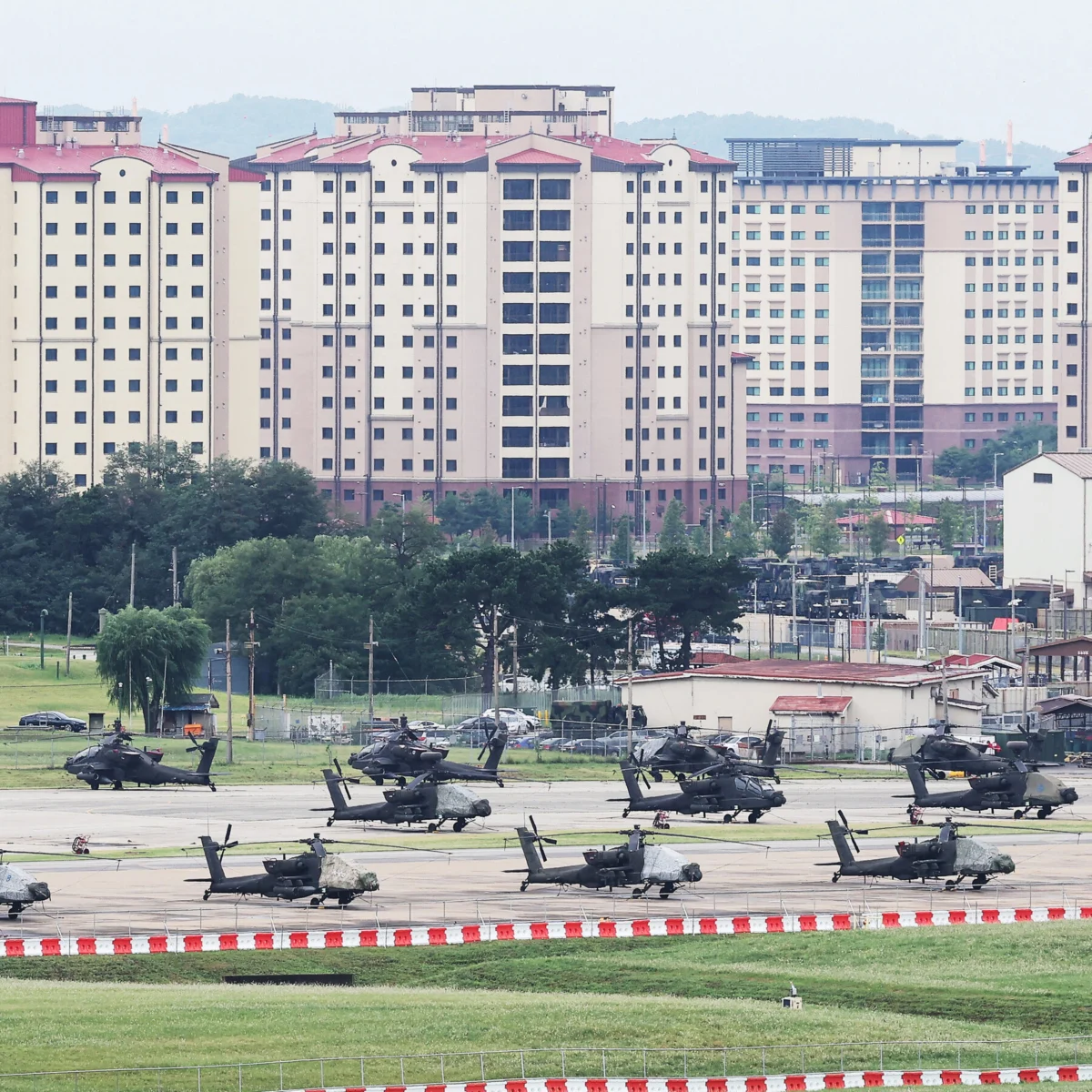
The Pentagon has decided to scale back major joint training exercises with South Korea, ending them a week earlier than planned after President Trump ordered the Defense Department to reduce such drills.
The Pentagon’s decision to cut short major joint drills with South Korea follows a presidential order to reduce allied military training. This adjustment reflects a shift in US-South Korea military cooperation amid changing strategic priorities, according to politics analysts.
KEY FACTS
- Pentagon scales back major training exercises with South Korea
- The move ends the military training a week earlier than scheduled
- President Trump ordered the Defense Department to reduce joint military exercises with the key U.S. ally
- The exercises are described as major joint training exercises
The Story
What does scaling back involve?
Scaling back means the Pentagon will conduct fewer or shorter joint drills with South Korean forces than originally planned. Such exercises typically involve coordinated maneuvers, live‑fire drills, and communication tests between the two militaries. By ending the training a week early, the overall duration of the scheduled exercise period is reduced. The exact nature of the curtailed activities is not detailed in the source, but the change applies to the major training events that are normally held to maintain readiness.
What happens next?
Officials may announce a revised exercise calendar or provide further guidance on future training levels. The Defense Department could issue updated directives to align with the presidential order to reduce joint exercises. South Korean counterparts are likely to be consulted to ensure any adjustments maintain alliance coordination. Until new guidance is released, the current training schedule remains shortened by one week as directed.
Why did the order come?
The presidential directive to the Defense Department reflects a broader policy aim to lower the frequency or scale of allied military drills. Such orders can stem from strategic reviews, budget considerations, or diplomatic efforts to ease regional tensions. The source does not specify the precise motivations behind President Trump’s instruction, only that it prompted the Pentagon to act. Consequently, the adjustment is presented as a direct response to that presidential order.
WHAT WE KNOW — AND WHAT WE DON’T
Verified by the source:
- Pentagon scales back major training exercises with South Korea
- The move ends the military training a week earlier than scheduled
- President Trump ordered the Defense Department to reduce joint military exercises with the key U.S. ally
- The exercises are described as major joint training exercises
Still unconfirmed:
- How many specific drills or units are affected by the reduction
- The exact dates of the original and revised training schedules
- Any public statements from South Korean officials regarding the change
- Whether the reduction will impact future exercise planning beyond the current period
WHY IT MATTERS
The adjustment to joint training influences the readiness of U.S. and South Korean forces and can signal shifts in alliance cohesion. Readers interested in regional security or defense policy may see this as an indicator of how bilateral military cooperation evolves under changing political directives.
WHAT TO WATCH
Future announcements from the Pentagon or Defense Department about exercise calendars, as well as any responses from South Korean defense authorities, will clarify the lasting effects of the scaling back.