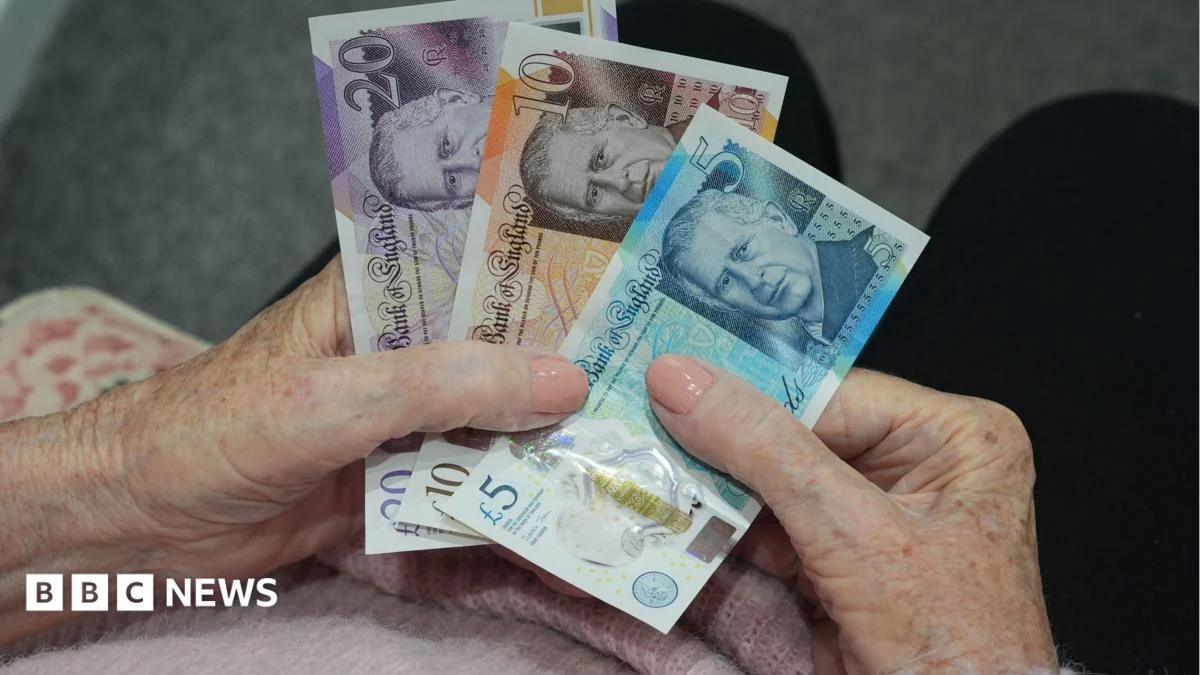
The full pension in Jersey has risen by 4.7%, boosting annual payouts by £734, according to the Government of Jersey. The increase affects all pensioners receiving the full state pension in the island economy.
The change means pensioners will see their weekly income rise by approximately £14, translating into an extra £734 over the course of a year. The government confirmed the adjustment as part of its regular reviews of social security payments.
Key Facts
£734annual increase to the full pension.- 4.7% rise announced by the Government of Jersey.
- Weekly boost of about
£14for pensioners. - Applies to those receiving the full pension amount.
- Reported by BBC News based on official government figures.
The Story
What happens next?
Pensioners in Jersey can expect the updated payment rates to take effect in the coming weeks. The 4.7% uplift aligns with broader economic trends affecting cost-of-living adjustments across the United Kingdom and Crown Dependencies.
The Government of Jersey typically reviews social security benefits once per year. These adjustments aim to reflect inflationary pressures and changes in wage growth within the local labor market. While the BBC News report does not specify an exact implementation date, such increases usually begin in April alongside fiscal planning cycles.
Who is affected?
Anyone currently receiving the full state pension in Jersey will benefit directly from the increase. That includes residents who have met the eligibility criteria for the full rate, which generally requires qualifying years of national insurance contributions or residence-based entitlement.
Roughly 7,000 individuals receive the full pension in Jersey, though this number fluctuates slightly each year due to new retirees and demographic shifts. Partial pension holders may also see proportional increases tied to their individual award amounts.
How did we get here?
Social security reforms have long been a focus of public policy in small jurisdictions like Jersey, where aging populations strain public finances while demand for healthcare and pension services grows. Historically, benefit increases have mirrored inflation data published by the Jersey Statistics Unit or comparable metrics used in the UK.
In recent years, policymakers have faced pressure to balance fiscal sustainability with adequate support for retirees. This latest raise follows prior adjustments made after years of modest economic recovery post-financial crisis.
What We Know — and What We Don’t
Verified by the source:
- The full pension increased by £734 annually.
- The percentage rise was 4.7%, confirmed by the Government of Jersey.
- Recipients gain roughly £14 per week from the change.
Still unconfirmed:
- Exact date when the new rate takes effect.
- Number of affected pensioners in Jersey.
- Whether partial pension recipients get proportionate lifts.
- Policy rationale behind choosing the 4.7% threshold.
Why It Matters
For older adults relying solely on state pensions, a £734 annual increase can make a meaningful difference in covering essentials like food, heating, and medication. In higher-cost environments, even modest gains help offset persistent inflation that erodes purchasing power over time.
What To Watch
Future budget announcements from the Government of Jersey may clarify whether this marks the start of a multi-year trend toward larger pension increases or if adjustments remain tied strictly to inflation benchmarks.
Meta description: Jersey’s full pension rises by £734 annually after a 4.7% increase reported by BBC News via Government data.
Explore related updates in economy and markets or politics for continued coverage.