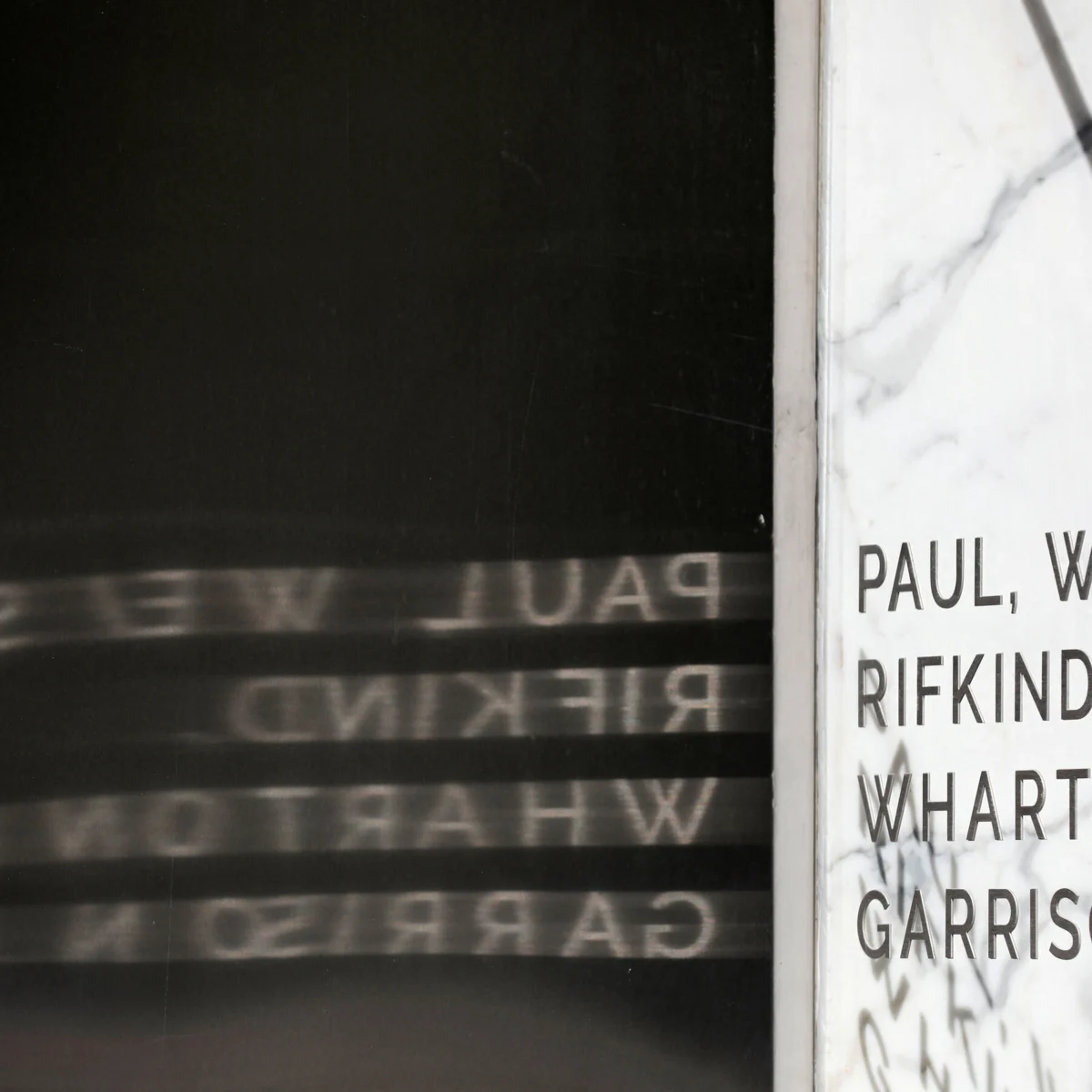
Paul Weiss, a prominent law firm, initially led the legal resistance against President Trump before abruptly reversing course and prompting a broader retreat across the legal industry, according to a New York Times investigation that examined how the firm caved to White House pressure.
The Times investigation shows how Paul Weiss moved from opposing Trump to retreating under White House pressure.
The piece outlines five takeaways from the firm’s about‑face and its ripple effects on Big Law.
Big Law refers to the largest and most profitable law firms in the United States, known for handling high‑stakes corporate litigation and advising major corporations. Their decisions about which cases to take can have outsized influence on the legal landscape.
Key Facts
- Paul Weiss led the legal resistance against President Trump.
- Paul Weiss then led a sudden retreat across the legal industry.
- A Times investigation examined how the firm caved to White House pressure.
- The investigation produced five takeaways on the firm’s reversal.
Paul Weiss’s Early Resistance
When a president’s policies face legal challenges, some law firms choose to oppose those actions through litigation and public statements. Paul Weiss positioned itself among the firms taking this stance, dedicating lawyers and resources to contest administrative decisions.
The firm’s involvement added to a broader effort by lawyers who viewed courtroom battles as a way to check executive power. This activity was part of what observers described as the legal resistance to the Trump administration.
What happened after the firm’s reversal?
The Times investigation notes a rapid shift in Paul Weiss’s approach, as it began to limit its oppositional work and accommodate administration preferences. This shift occurred alongside a similar pullback by other large law firms, leading commentators to describe a broader retreat across Big Law.
According to the report, White House officials conveyed expectations that firms mute their criticism, and Paul Weiss responded by withdrawing from certain cases and reducing public commentary. The investigation distilled these developments into five takeaways, highlighting how pressure, reputation concerns, and business considerations intersected to alter the firm’s litigation strategy.
What We Know — and What We Don’t
Verified by the source:
- Paul Weiss led the legal resistance against President Trump.
- Paul Weiss then led a sudden retreat across the legal industry.
- A Times investigation examined how the firm caved to White House pressure.
- The investigation yielded five takeaways about the firm’s reversal.
Still unconfirmed:
- The exact nature of any private communications that demonstrated White House pressure on Paul Weiss.
- Whether other firms’ retreats were directly coordinated with Paul Weiss’s shift.
- How long the firm’s altered stance will persist before any potential return to oppositional work.
Why this matters: When a major law firm changes its stance on politically charged litigation, it can affect the availability of legal checks on executive power and signal shifting norms within the profession. Clients, advocacy groups, and observers watch these moves closely because they influence who can access the courts to challenge government actions. Learn more about the politics landscape.
What to watch: Future disclosures from Paul Weiss about its client matters, any public statements regarding its litigation priorities, and whether other large firms follow a similar trajectory in response to political pressure. See related coverage in the politics section.