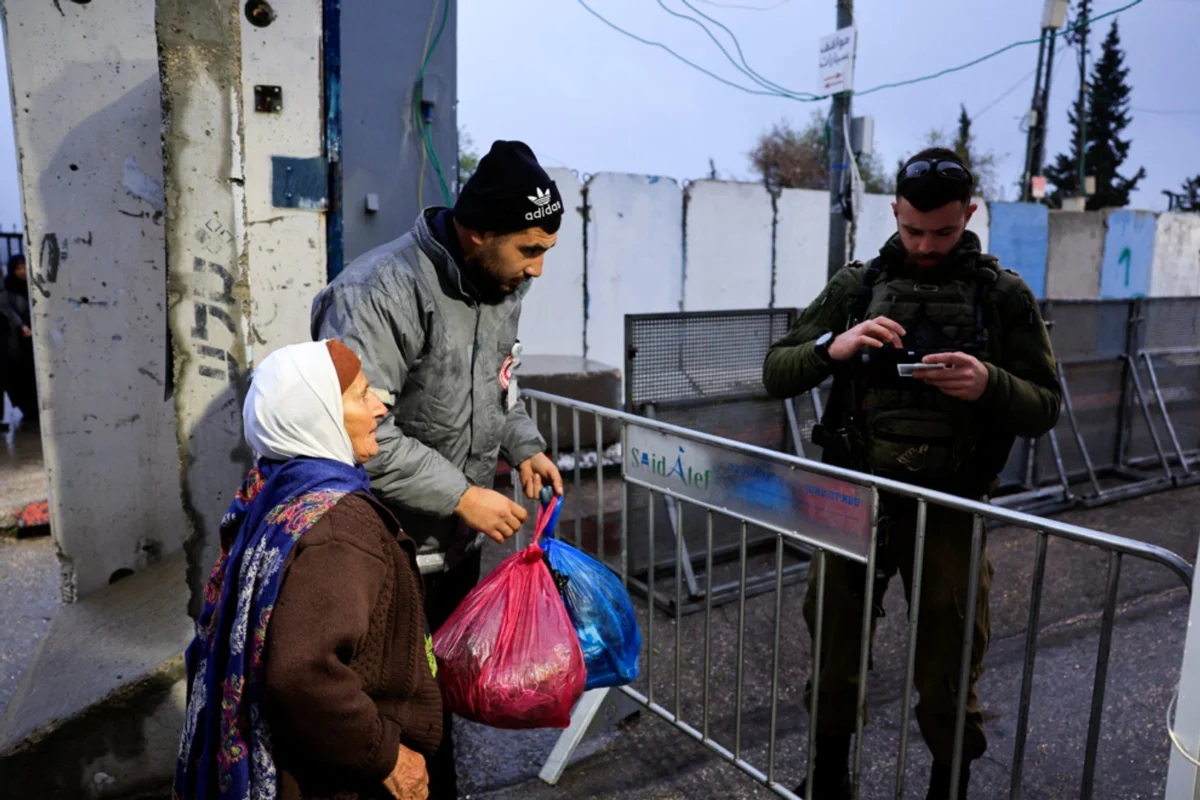
In areas under Israeli occupation, Palestinian communities rely on local radio broadcasts to access information and coordinate daily life amidst ongoing challenges.
Al Jazeera correspondent Nida Ibrahim reports that radio remains one of the few widely accessible communication tools available to Palestinians, especially where internet and mobile networks are restricted or unreliable.
KEY FACTS
- Palestinians use local radio to navigate Israeli occupation.
- Radio helps them respond to settler pogroms.
- Nida Ibrahim reported this for Al Jazeera.
- The report focuses on information access under occupation.
What role does radio play?
For many Palestinian communities, especially in rural or contested areas, radio is an essential medium for receiving real-time updates and emergency notices. Unlike digital platforms, radio requires minimal infrastructure and can operate on battery-powered devices, making it resilient during power outages or communication blackouts.
Local radio stations often relay community announcements, weather updates, and health advisories, serving roles typically filled by national broadcasters elsewhere. In conflict-affected regions, these stations may also provide critical safety instructions when violence escalates.
Because radio signals do not depend on centralized servers or internet connectivity, they remain functional even when other forms of communication are disrupted. This makes Palestinian radio stations key nodes in informal warning systems.
Who is affected by this reporting?
The ability to communicate safely and access timely information directly impacts civilians living in occupied Palestinian territories. Those in remote villages and towns are particularly reliant on radio due to limited alternatives.
Settler pogroms, as referenced in the source, are violent attacks targeting Palestinian individuals or property. When such incidents occur, radio often serves as the quickest way to alert neighbors and organize responses without attracting further attention or escalation.
This system supports both routine coordination and emergency preparedness, helping people make decisions about movement, shelter, and safety in rapidly changing conditions. For families separated by checkpoints or barriers, radio also provides a sense of shared awareness and mutual support.
What happens next?
As tensions persist in occupied territories, demand for reliable local media continues to grow among Palestinian populations. Radio stations face ongoing technical and operational hurdles, including restrictions on broadcasting equipment and potential interference.
Still, these outlets adapt by using portable transmitters and decentralized networks. Their resilience highlights how grassroots communication strategies evolve in response to structural limitations imposed by military control and fragmented infrastructure.
While formal recognition varies, the role of radio within Palestinian society reflects broader patterns of self-reliance developed over decades of displacement and governance instability.
WHAT WE KNOW — AND WHAT WE DON’T
Verified by the source:
- Palestinians use radio to navigate Israeli occupation.
- Radio helps them respond to settler pogroms.
- Nida Ibrahim reported the story for Al Jazeera.
Still unconfirmed:
- Specific number of radio listeners or stations.
- Exact frequency ranges or technical capabilities used.
- Names of particular radio stations or broadcasters involved.
- Dates of incidents described in the report.
Why It Matters
Access to independent, community-based information sources becomes critical when public infrastructure breaks down or is controlled by external forces. Palestinian radio exemplifies how marginalized groups maintain autonomy and coordination despite systemic constraints.
Beyond immediate utility, radio fosters cultural preservation and collective identity. In contexts marked by erasure or fragmentation, sharing stories, prayers, and alerts strengthens social cohesion across fragmented geographies.
Understanding this dynamic adds depth to global conversations around digital rights, freedom of expression, and civilian resilience in protracted conflicts.
What To Watch
Further reporting may clarify which regions show increasing dependence on radio broadcasting and whether new technologies are being integrated into existing systems. Observers will also watch for changes in access policies affecting Palestinian media operations.
Palestinian radio continues to adapt amid evolving pressures, reflecting larger struggles over visibility, voice, and survival under occupation. Palestinian radio remains a quiet but powerful force shaping everyday life beneath the surface of headlines.