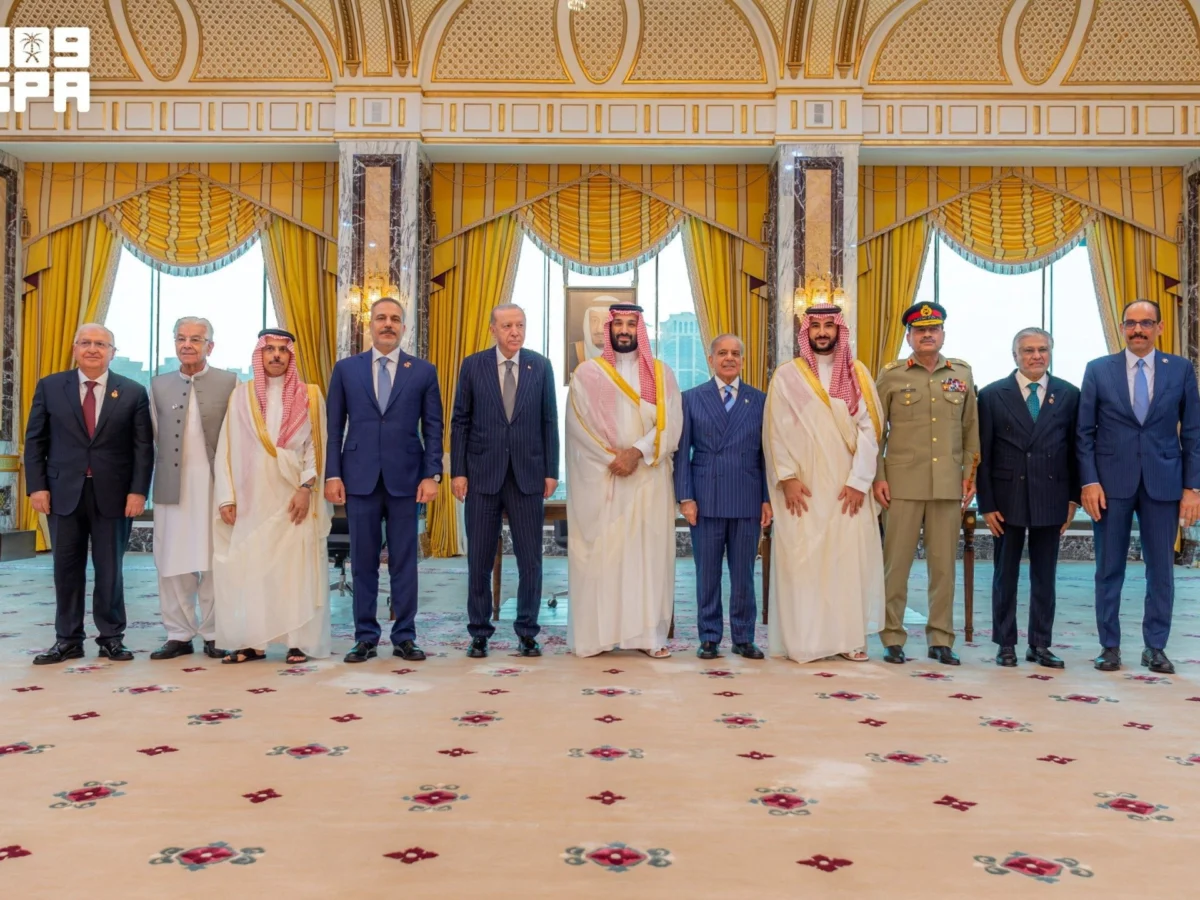
Pakistan and Turkiye have joined Saudi-led deterrence efforts targeting the Houthis, AlJazeera reported. Islamabad described its role as defensive, even as Riyadh conducts offensive operations in Yemen, testing how long it can remain out of direct involvement.
The development reflects shifting regional alliances amid ongoing tensions in the Red Sea region and Yemen. It also underscores growing coordination among select Muslim-majority nations in response to perceived security challenges posed by Houthi activity.
Key Facts
- Pakistan and Turkiye joined Saudi Arabia‘s deterrence campaign against the Houthis.
- Islamabad says its role is defensive, not offensive.
- Riyadh’s ongoing offensive in Yemen tests limits of non-involvement for partners.
What This Means for Regional Security
The entry of new actors into the Saudi-led deterrence framework signals a broadening of the regional conflict dynamics centered around Saudi deterrence against Houthis. While Pakistan has publicly emphasized a defensive posture, its participation could have strategic implications if circumstances evolve toward deeper engagement. Similarly, Turkiye’s alignment suggests an expanding network of support for Riyadh’s security objectives.
This move occurs against the backdrop of prolonged instability in Yemen, where Houthi forces control significant territories. Their missile and drone attacks on Saudi Arabia and shipping lanes have drawn international concern. By joining deterrent measures, these countries signal solidarity with Saudi Arabia while navigating domestic political sensitivities regarding military entanglements abroad.
How Did We Get Here?
Saudi Arabia launched a military intervention in Yemen in 2015 aimed at restoring the internationally recognized government. Over time, the campaign expanded to include naval blockades and air strikes targeting Houthi positions. As the war dragged on, Riyadh sought broader coalition backing to counter Iranian influence in the region, which it accuses of supporting the Houthis.
Pakistan initially declined to commit troops but maintained logistical and diplomatic support. More recently, it appears to have adjusted its stance slightly, allowing limited use of its territory or assets for defensive operations. Turkiye, meanwhile, has increased defense cooperation with Saudi Arabia following years of tense relations under previous governments. This new alignment indicates a recalibration of priorities driven by mutual security concerns.
What’s Next for the Coalition?
With Pakistan and Turkiye now part of the deterrence strategy, the question becomes whether their contributions will remain restricted to defensive roles. Given existing commitments elsewhere, neither nation may rush into full combat engagement. However, their presence strengthens the legitimacy and reach of Saudi efforts without requiring direct deployment of large ground forces.
For now, the focus remains on containing escalation while applying pressure on the Houthis through targeted actions. Whether this proves effective depends largely on internal developments within Yemen and any shifts in external backing for either side.
What We Know — and What We Don’t
Verified by the source:
- Pakistan confirmed its role is defensive.
- Saudi Arabia is conducting offensive operations in Yemen.
- Both nations are participating in Saudi-led deterrence against the Houthis.
Still unconfirmed:
- The exact nature and scope of Pakistan or Turkiye’s military involvement.
- Any formal agreements or timelines behind the coalition expansion.
- Statements or official documentation from relevant capitals beyond media summaries.
Why It Matters
The widening participation in Saudi-led deterrence efforts affects regional stability and raises stakes for all involved parties. It also highlights how evolving geopolitical interests can reshape traditional partnerships, particularly at a time when conflicts in the Middle East continue to impact global energy markets and humanitarian conditions.
What To Watch
Observers should monitor whether Pakistan or Turkiye take further steps beyond defensive posturing. Any indication of increased military activity or policy shifts in Ankara or Islamabad would mark a notable change in posture worthy of renewed attention.
AlJazeera noted that the expanded coalition raises uncertainty about future levels of direct involvement in Yemen. Pakistan and Turkiye have joined Saudi-led deterrence efforts against the Houthis.