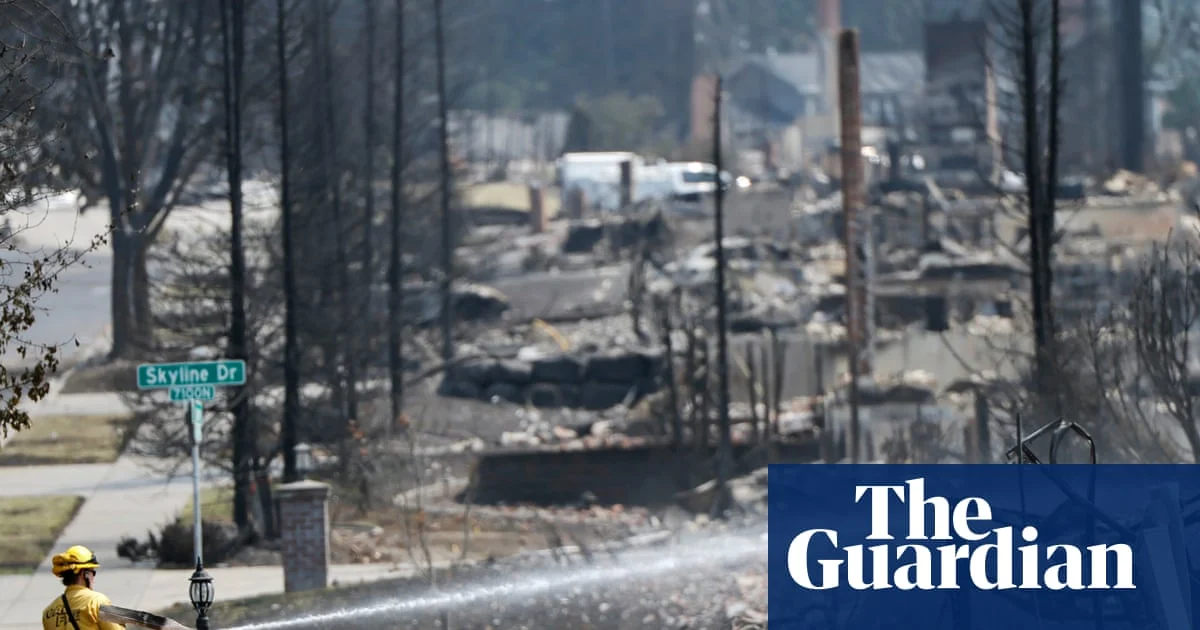
Thick smoke from wildfires in the Pacific Northwest has blanketed cities in Washington and Oregon, pushing air quality to hazardous levels. Seattle and Portland ranked among the most polluted cities globally as firefighters made progress against larger blazes in Washington state.
According to The Guardian, the region is experiencing some of the world’s worst air quality indices due to the persistent wildfire smoke. Swiss company IQAir listed both cities at the top of its global pollution rankings as of Thursday afternoon.
KEY FACTS
- Wildfires in the US Pacific Northwest are producing thick smoke across the region.
- Seattle, Washington, and Portland, Oregon, had some of the world’s worst air quality as of Thursday afternoon.
- The cities topped Swiss company IQAir‘s global pollution rankings.
- Firefighters have made progress against larger blazes in Washington state.
WHO IS AFFECTED?
Residents of Seattle and Portland are facing hazardous air conditions due to the wildfire smoke. The smoke poses health risks, particularly for vulnerable groups such as children, the elderly, and those with respiratory conditions. Air quality advisories have likely been issued, though the source does not specify.
Wildfire smoke contains fine particulate matter (PM2.5), which can penetrate deep into the lungs and even enter the bloodstream. Prolonged exposure can exacerbate asthma, heart disease, and other chronic conditions.
WHAT HAPPENS NEXT?
Firefighters continue to battle the blazes in Washington state, with some progress reported against larger fires. However, shifting winds and dry conditions could prolong smoke exposure in urban areas. Air quality may improve if containment efforts succeed or weather patterns change.
Long-term, the region may see more frequent smoke events as climate change intensifies wildfire seasons. Mitigation strategies, such as improved forest management and emissions controls, could help reduce future risks.
WHAT WE KNOW — AND WHAT WE DON’T
Verified by the source:
- Seattle and Portland had some of the world’s worst air quality due to wildfire smoke as of Thursday afternoon.
- IQAir ranked both cities at the top of its global pollution list.
- Firefighters have made progress against larger wildfires in Washington state.
Still unconfirmed:
- The exact number of active wildfires or their total acreage.
- Whether evacuations or emergency declarations have been issued.
- If the smoke has caused any hospitalizations or health emergencies.
WHY IT MATTERS
Wildfire smoke poses significant public health risks, particularly in densely populated urban areas. Poor air quality can disrupt daily life, force school and business closures, and strain healthcare systems. As climate change fuels more intense fire seasons, understanding and mitigating smoke impacts becomes increasingly urgent.
WHAT TO WATCH
Monitoring air quality updates and wildfire containment efforts will be crucial in the coming days. Shifts in wind patterns could either alleviate or worsen smoke conditions in affected cities.