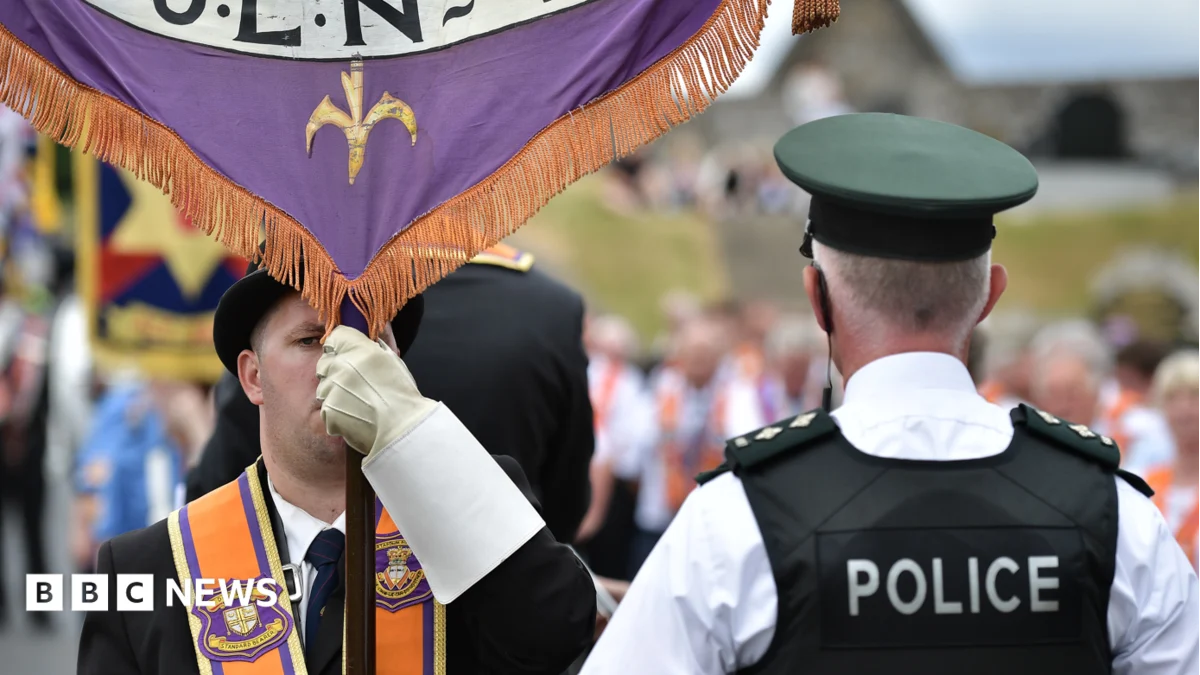
A controversial Orange Order march will proceed for the first time in nearly 30 years after late-night legal drama, BBC News reported Sunday. The parade had previously sparked some of the most serious disorder in Northern Ireland’s history during the 1990s. Organizers and opponents have waited decades for clarity on whether the event could legally take place.
The latest decision follows a series of legal challenges that stretched into the night before the scheduled Sunday event. BBC News confirmed the march will proceed despite historical concerns over public safety and community tensions. The route and scale of the event remain unclear due to past conflicts tied to similar gatherings.
Key Facts
- The Orange Order march is set to take place on Sunday.
- The event marks the first such parade in nearly 30 years.
- Legal challenges delayed the final decision until late at night.
- The march previously sparked serious disorder in Northern Ireland in the 1990s.
What happens next?
The immediate future of the Orange Order march hinges on public reaction and potential new legal filings. BBC News noted that authorities may monitor crowd sizes and community responses closely given the sensitive nature of past events. No further details were provided about specific contingencies or policing plans, leaving open questions about how officials intend to manage disruptions if they arise.
Historically, parades organized by the Orange Order have drawn strong reactions across Northern Ireland, particularly when routes pass through nationalist neighborhoods. These tensions often escalate quickly, especially when large crowds gather without prior coordination between communities. While Sunday’s event represents a symbolic return, it also carries the risk of renewed unrest if emotions run high and adequate preparations fall short.
Who is affected?
The residents living along the planned route of the Orange Order march are likely the most directly impacted group. Many locals have expressed concern over potential disturbances, including loud noise, traffic delays, and possible confrontations between opposing groups. Community leaders and religious figures have historically played key roles in diffusing tensions during similar events, though BBC News did not specify any current involvement.
Beyond immediate neighbors, the broader population of Northern Ireland may feel indirect effects depending on how Sunday unfolds. If disturbances occur, emergency services could face strain, and national broadcasters might interrupt regular programming to cover developments. On the other hand, a peaceful outcome could signal progress in managing divisive traditions within the region.
How did we get here?
The path leading to Sunday’s Orange Order march began decades ago when similar parades triggered violent clashes in the 1990s. Since then, legal frameworks governing public assemblies have evolved, incorporating stricter oversight and licensing requirements. However, exceptions sometimes allow historic marches to proceed under modified conditions after extensive review processes.
In recent weeks, multiple court hearings addressed whether this particular gathering met modern standards for approval. Each ruling shaped the final timeline, ultimately culminating in last-minute authorization. Despite these safeguards, uncertainty remains about whether lessons learned from history will influence today’s execution and reception.
What We Know — and What We Don’t
Verified by the source:
- The Orange Order march is happening on Sunday.
- It is the first such parade in nearly 30 years.
- Legal challenges delayed the decision until late at night.
- The event previously caused serious disorder in the 1990s.
Still unconfirmed:
- The exact starting point or ending location of the march.
- Specific measures being taken by police or local councils.
- Statements from Orange Order leadership or political officials.
Why It Matters
This march reflects ongoing challenges in balancing tradition with public order in post-conflict societies. For some, it symbolizes cultural identity; for others, it evokes memories of division and violence. How Sunday proceeds may shape future policies around ceremonial gatherings and inter-community relations in Northern Ireland.
What To Watch
Public response and any additional court rulings could reshape plans for the Orange Order march. Stay tuned to updates from BBC News and other trusted outlets covering the situation live.