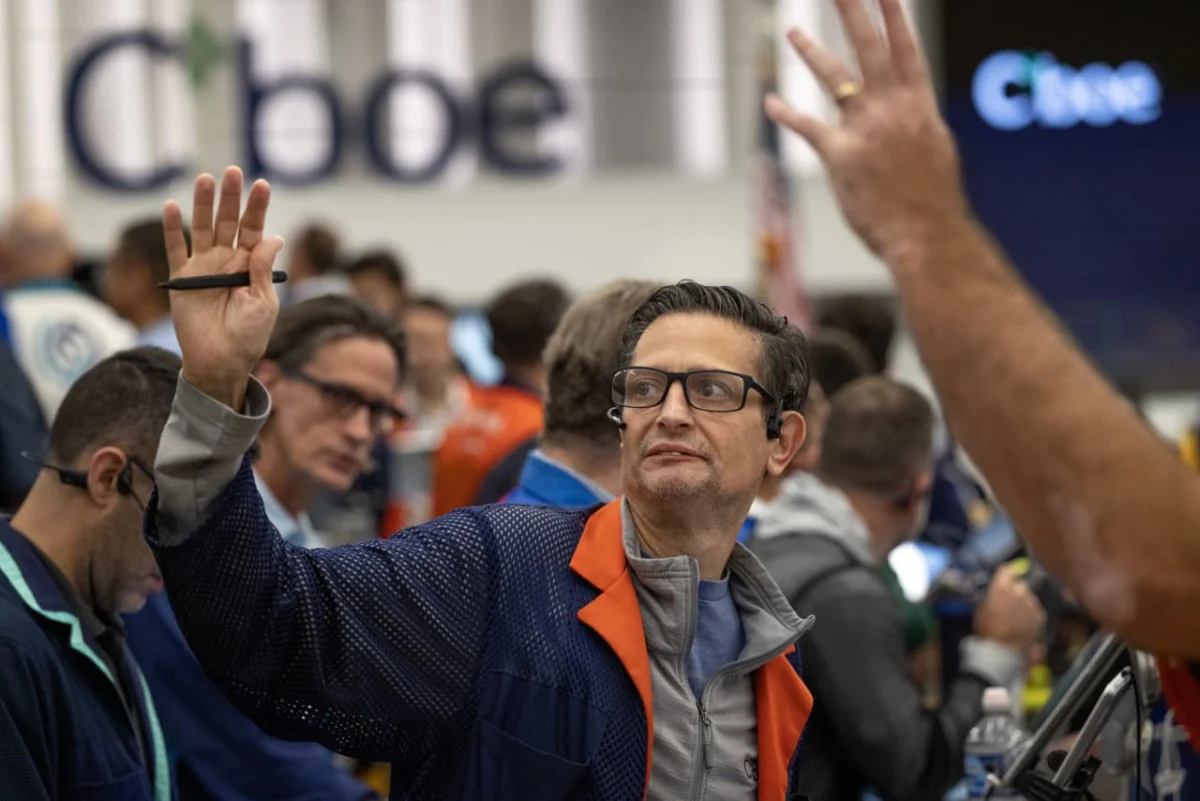
Options traders are exerting growing influence over the S&P 500, helping explain why the broad equity index has barely budged since June, according to a UBS analysis cited by MarketWatch.
The analysis suggests that the increased role of options activity in steering price action may be dampening the usual momentum typically seen in major indices. While the S&P 500 has traded in a tight range through recent weeks, analysts say the surge in options volumes—particularly around key expiration dates—is playing a larger role than in past market cycles.
Key Facts
- Options traders are seizing control of the S&P 500, per a UBS note analyzed by MarketWatch.
- The lack of movement in the S&P 500 since June is tied to rising options activity, according to the same analysis.
- MarketWatch.com reported that a UBS team linked the index’s stagnation to options market dynamics.
The Story
What does this mean for investors?
The idea that options trading is becoming dominant in U.S. equities is not new, but the scale of its influence appears to be intensifying. Options activity—especially large block trades and gamma-driven positioning near key strikes—can amplify or suppress price swings, particularly when market makers hedge positions. This mechanism becomes more pronounced when the underlying index shows little directional bias, creating a feedback loop that limits volatility.
Market professionals have increasingly pointed to options market flows as a key input for forecasting short-term moves. When the S&P 500 remains range-bound, algorithmic hedging and rebalancing tied to options positions can keep prices pinned near certain levels, especially around quarterly expirations. In this environment, traditional fundamental drivers may take a backseat to technical and flow-based factors.
How did we get here?
Since mid-June, the S&P 500 has traded within a narrow band, failing to break out meaningfully to the upside or downside. Analysts at UBS argue this stability reflects a shift in who—or what—is driving market direction. Rather than large institutional investors or macroeconomic shocks, retail and proprietary trading desks using options strategies are becoming the primary force behind intraday moves.
This dynamic marks a departure from earlier eras where earnings, Federal Reserve policy, or geopolitical events dominated headlines. The rise of zero-commission trading platforms, leveraged investment products, and algorithmic execution tools has made options more accessible, increasing their share of total equity market volume. As a result, price discovery is happening faster—but sometimes without broader economic catalysts to justify the swings.
What We Know — and What We Don’t
Verified by the source:
- A team at UBS provided analysis linking flat S&P 500 performance since June to options market activity, per MarketWatch.
- MarketWatch.com republished the UBS analysis highlighting options traders’ growing control over index movement.
Still unconfirmed:
- No specific figures or dates were given regarding the extent of options activity.
- The identities of the UBS analysts or their exact methodology were not named.
- It is unclear whether the trend will persist or reverse in upcoming months.
Why It Matters
For everyday investors and retirement savers, understanding the drivers behind market behavior is critical. If options traders are increasingly dictating direction, it may mean that short-term price swings are less reflective of long-term value—and more susceptible to rapid shifts based on technical triggers rather than economic fundamentals.
What To Watch
Upcoming quarterly options expirations and central bank meetings could test whether the current pattern holds. Whether this dynamic continues or fades remains an open question.
Meta description: Options traders are shaping the S&P 500’s path, contributing to its flat performance since June, according to a UBS analysis reported by MarketWatch.
Read more about market trends in our economy-markets category.