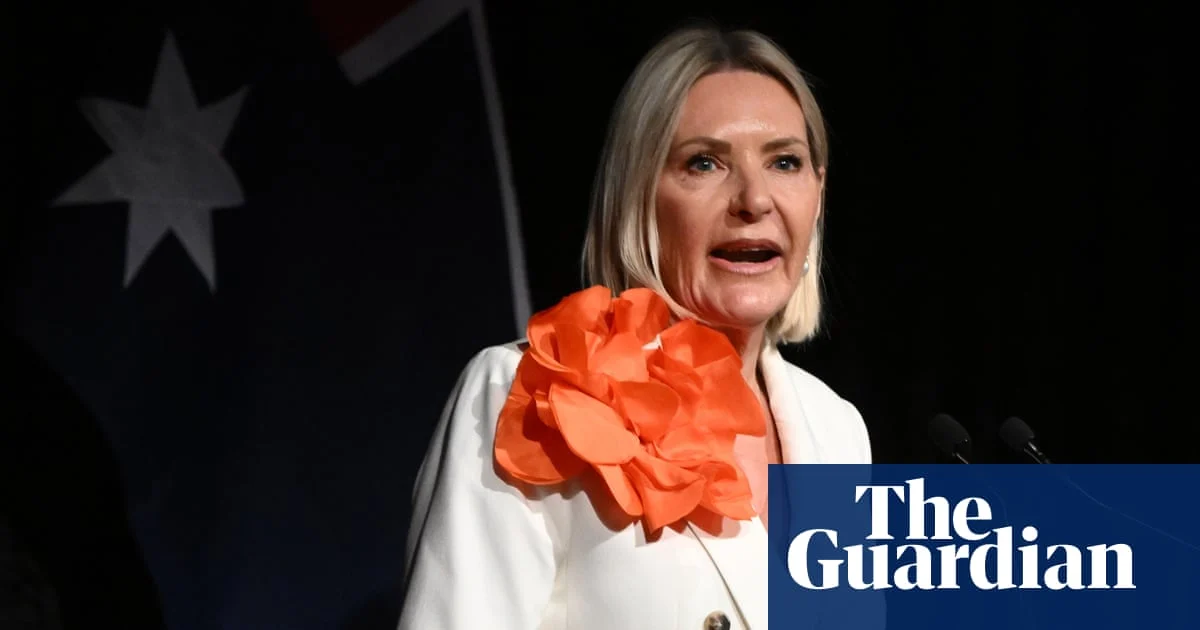
One Nation has proposed a $2,000 baby subsidy plan for new parents in Victoria, stating it will not affect current state abortion laws. The announcement came one day after both the Labor and Liberal parties agreed to remove out-of-pocket costs for abortion care. The baby subsidy plan was introduced by One Nation’s deputy leader in Victoria, Colleen Harkin.
The baby subsidy plan includes removing out-of-pocket costs for pregnant women using the public healthcare system, as well as offering a $2,000 payment for those who choose private maternity services. The proposal positions the party as supportive of families without directly engaging in legislative changes around reproductive rights.
Key Facts
- One Nation proposed a $2,000 subsidy for new parents in Victoria.
- The party said it will not change state abortion laws.
- The announcement followed Labor and Liberal pledges to cover abortion care costs.
- Deputy leader Colleen Harkin presented the baby subsidy plan on Friday.
What does the baby subsidy plan cover?
The baby subsidy plan targets financial barriers faced by expectant parents across both public and private healthcare settings. For those relying on the public healthcare system, One Nation promises to eliminate out-of-pocket expenses during pregnancy. Meanwhile, families accessing private maternity care would receive a direct $2,000 payment to offset related costs. By addressing cost concerns, the party aims to ease financial strain on parents regardless of their chosen path to care.
Importantly, One Nation emphasized that its baby subsidy plan does not extend to modifying existing abortion laws in Victoria. This stance separates the party from more controversial positions on reproductive rights, potentially appealing to voters who support family assistance without wanting shifts in legal access to abortion services. The timing of the rollout, coming right after bipartisan commitments on abortion funding, underscores increasing competition among parties over healthcare affordability.
How did we get here politically?
In the days leading up to One Nation’s baby subsidy plan announcement, both the Australian Labor Party and the Liberal Party publicly committed to removing out-of-pocket costs for abortion care. These moves reflect broader pressure on political groups to demonstrate support for accessible reproductive healthcare. Against this backdrop, One Nation introduced its own baby subsidy plan, attempting to distinguish itself through family-focused economics rather than social policy debates.
The sequence of announcements highlights rising contestation in Victorian politics around healthcare spending and reproductive autonomy. While the major parties zeroed in on abortion access, One Nation shifted focus toward maternal and infant welfare through its subsidy framework. Whether these various proposals gain legislative traction remains uncertain.
What We Know — and What We Don’t
Verified by the source:
- The proposal includes a $2,000 payment for private maternity care users.
- Public healthcare costs for pregnant women may be reduced under the plan.
- The party confirmed it will not seek changes to Victoria’s abortion laws.
Still unconfirmed:
- No official budget estimate or timeline for implementing the baby subsidy plan has been provided.
- It is unclear whether the subsidy would apply only to residents of Victoria.
- Details about eligibility criteria and application processes remain unspecified.
Why It Matters
The baby subsidy plan fits within a growing trend where political parties compete on economic support for families amid rising living costs. As healthcare becomes an electoral flashpoint, such proposals shape voter perceptions of each party’s commitment to affordability and social equity. These developments also signal how reproductive politics intersects with fiscal messaging in contemporary campaigns.
What To Watch
Future parliamentary sessions may reveal whether the baby subsidy plan advances beyond publicity. Further clarity is expected if other parties respond with matching pledges or if details emerge regarding implementation timelines and funding sources.