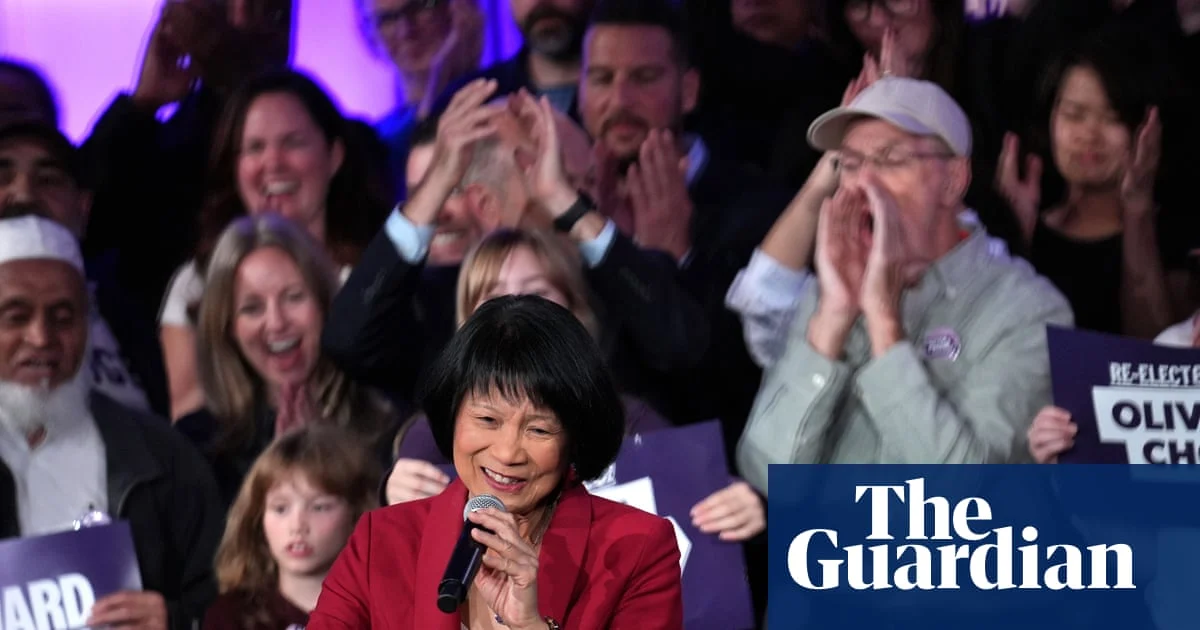
Olivia Chow won re-election as Toronto mayor, defeating challenger Brad Bradford with 54% of the vote compared to his 41%.
The Toronto mayor election was tightly contested but ended with a decisive 13-point margin for Chow, marking a victory for progressive candidates and their policy agenda.
KEY FACTS
- Olivia Chow elected to a second term as Toronto mayor.
- Chow received 54% of the vote; Bradford received 41%.
- The race was decided by a 13 percentage point margin.
- Weeks of polling suggested a dead heat between the candidates.
- Record voter turnout was reported in the Toronto mayor election.
Who Is Affected By the New Mayor’s Agenda?
Toronto residents will see Chow pursue campaign promises including expanded rental housing, free school lunches, and reduced transit fares for frequent riders. These policies affect millions of city dwellers relying on public services and transit systems.
Chow’s re-election also signals momentum for progressive councillors aligned with her platform. Their collective influence may shape future budget decisions and service delivery across Canada’s largest city.
While polling hinted at a close finish, Chow ultimately built a comfortable lead that surprised many political observers tracking the Toronto mayor election.
What Happens Next After the Vote?
The newly re-elected mayor faces immediate tasks such as staffing key appointments and preparing budgets for the coming fiscal year. She will work alongside a city council where several progressive allies were also returned to office.
Chow’s agenda items—particularly affordable housing and transit funding—are expected to surface early in her second term. How quickly those initiatives move through council depends on political alignment and available resources.
Still, the Toronto mayor election outcome provides a clear mandate for her vision after years of debate over housing affordability and public transit investment.
WHAT WE KNOW — AND WHAT WE DON’T
Verified by the source:
- Olivia Chow won a second term as Toronto mayor.
- She defeated Brad Bradford with 54% to 41% of the vote.
- The final margin was 13 percentage points.
- Polling prior to the election showed a neck-and-neck race.
- Record turnout occurred during the Toronto mayor election.
Still unconfirmed:
- The exact date and time of the election results announcement.
- Total number of ballots cast or specific ward-level breakdowns.
- Whether Chow’s progressive allies won all targeted council seats.
- Timeline for implementation of her signature campaign promises.
WHY IT MATTERS
This Toronto mayor election reflects shifting priorities in Canada’s largest city toward progressive governance focused on housing accessibility and improved public services. The outcome could influence similar debates in other North American urban centers weighing affordability and infrastructure challenges.
WHAT TO WATCH
Observers will monitor Chow’s early appointments and budget proposals, as well as whether her expanded progressive bloc on council can deliver key agenda items like rental housing and transit fare reductions.
Olivia Chow wins second term as Toronto mayor, defeating Brad Bradford 54% to 41% in a tightly fought election featuring record turnout.