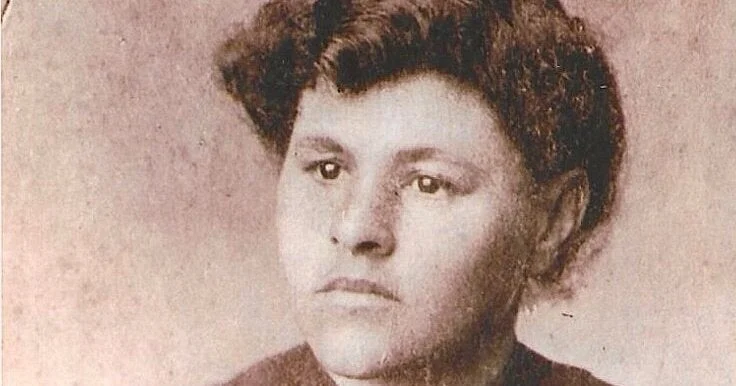
A 1935 recording of Louisiana Creole language has been republished, marking the oldest known documentation of a dialect rooted in the state’s history of slavery and French colonialism. The recording resurfaced after decades of obscurity, drawing attention to a linguistic heritage that is gradually disappearing.
Its release underscores efforts to preserve Louisiana Creole language as fluent speakers become fewer, raising questions about how much of this cultural legacy will remain accessible to future generations.
Key Facts
- A 1935 recording of Louisiana Creole language has been republished.
- The recording sheds light on Louisiana Creole language tied to slavery and French colonialism.
- The recording had been forgotten before its rediscovery.
How did this happen?
The Louisiana Creole language recording was made in 1935, capturing a dialect shaped by centuries of cultural blending during the era of slavery and French colonial rule. Linguists note that such recordings offer rare insight into phonetics, vocabulary, and expressions that have since shifted or vanished.
After remaining unheard for decades, the reel-to-reel recording was uncovered in an archive. Its preservation is considered significant for researchers studying the evolution of Louisiana Creole language and broader Francophone influences in the Gulf South.
Why does it matter now?
The republishing of this Louisiana Creole language recording arrives amid growing concern over language loss. Advocates argue that documenting and sharing these materials helps sustain awareness of Louisiana Creole language among younger speakers and scholars alike.
Experts emphasize that without active preservation, dialects like Louisiana Creole language risk becoming part of academic record rather than living speech. The discovery also invites renewed scrutiny of historical archives for overlooked cultural artifacts.
What We Know — and What We Don’t
Verified by the source:
- The recording dates to 1935.
- It documents Louisiana Creole language.
- The language is linked to slavery and French colonialism.
- The recording was forgotten before being republished.
Still unconfirmed:
- The identity of the speaker(s) captured in the recording.
- The circumstances under which the original recording was made.
- The specific archive where the recording was rediscovered.
Why It Matters
This republished recording highlights the urgent need to protect endangered languages like Louisiana Creole, which carry deep historical memory. As communities lose older generations, preserving these voices becomes essential to understanding the full scope of American linguistic diversity.
What To Watch
Scholars may continue searching archives for additional unmarked recordings, potentially revealing further details about the creators and context behind this Louisiana Creole language artifact.