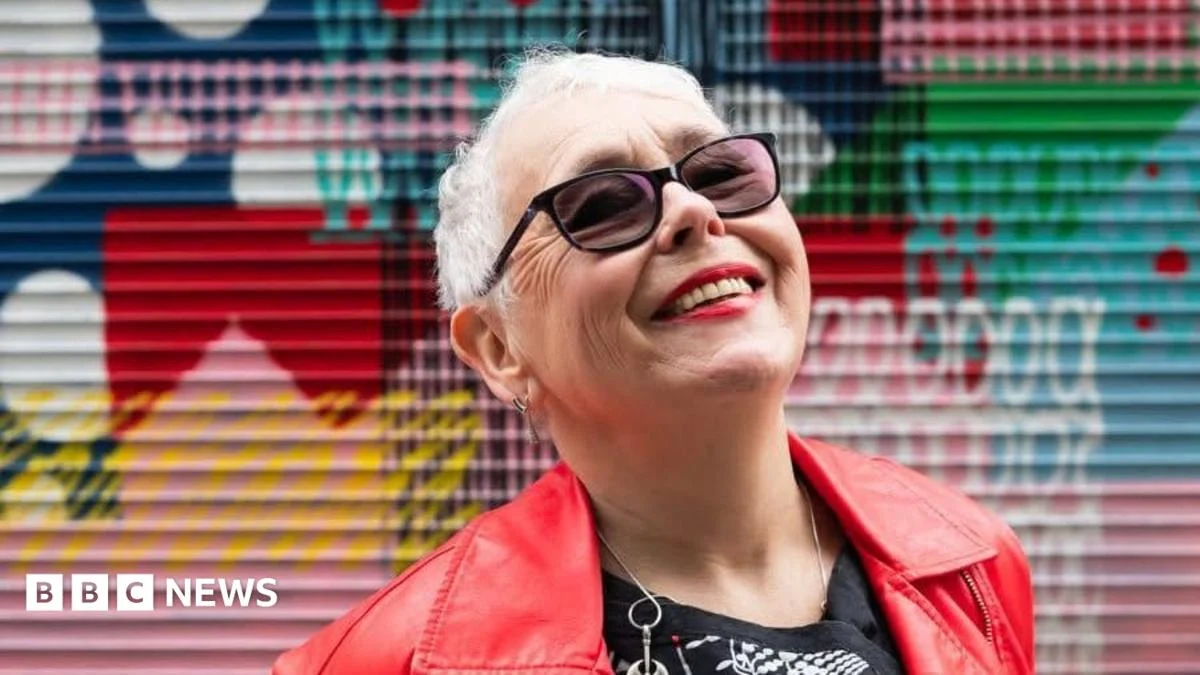
LGBTQ+ social isolation is becoming a pressing concern among older adults in the community, according to a recent report highlighted by BBC News. The report suggests that older LGBTQ+ individuals face greater social isolation than their heterosexual counterparts, fueling fears about losing personal and collective identity as they age.
This gap in social connection reflects long-standing challenges tied to historical stigma, family estrangement, and limited support systems tailored to LGBTQ+ elders. As visibility grows among younger generations, some older members worry their stories and struggles are being forgotten.
Key Facts
- A report finds older LGBTQ+ people experience more social isolation than heterosexual peers.
- LGBTQ+ elders fear their identity and contributions are being overlooked.
- The study was reported by BBC News.
Who Is Affected?
Older LGBTQ+ adults are the primary group impacted by rising social isolation. Many have lived through decades of discrimination, marginalization, and secrecy regarding their sexual orientation or gender identity. These experiences often led to smaller chosen families and weaker ties with biological relatives, leaving many without traditional support networks in later life.
Additionally, aging services, healthcare providers, and senior living facilities may lack culturally competent care specific to LGBTQ+ needs. This can deter older adults from seeking help or forming meaningful connections, further deepening feelings of loneliness.
For trans individuals especially, outdated documentation and name changes can create barriers to accessing essential services. The absence of inclusive environments means many grow older disconnected from both mainstream society and parts of their own community.
What Happens Next?
Experts and advocates are calling attention to how these findings might influence policy and program development. There is growing momentum around creating age-friendly spaces and training staff in eldercare settings to better serve LGBTQ+ seniors.
Without targeted interventions, the trend toward increased isolation could worsen. However, if addressed through community initiatives and systemic reform, there is potential to reduce disparities and ensure older LGBTQ+ adults feel seen and supported.
Organizations working in this space emphasize the importance of intergenerational dialogue — bridging conversations between younger LGBTQ+ individuals and their elders. Doing so not only combats loneliness but also honors lived histories that remain vital to the broader movement for equality.
What We Know — and What We Don’t
Verified by the source:
- A report indicates older LGBTQ+ people face more social isolation than heterosexual peers.
- The report was covered by BBC News.
- LGBTQ+ elders express fear of being forgotten or losing their identity.
Still unconfirmed:
- The name or scope of the original report.
- Specific statistics included in the study.
- Details about geographic focus or sample size.
- Named individuals or organizations involved.
Why It Matters
Mental health, physical well-being, and longevity are all closely linked to social connection. When older LGBTQ+ adults become isolated, it affects not just their quality of life, but also perpetuates cycles of exclusion within an already vulnerable population. Addressing LGBTQ+ social isolation benefits everyone by fostering more inclusive communities rooted in mutual respect and remembrance.
What To Watch
It remains unclear whether new policies or funding will emerge from these findings. Advocates continue pushing for culturally responsive eldercare programs that center the unique needs of LGBTQ+ seniors.
Meta description: A report says older LGBTQ+ adults face higher social isolation than heterosexual peers, raising fears of identity erasure and missed support.