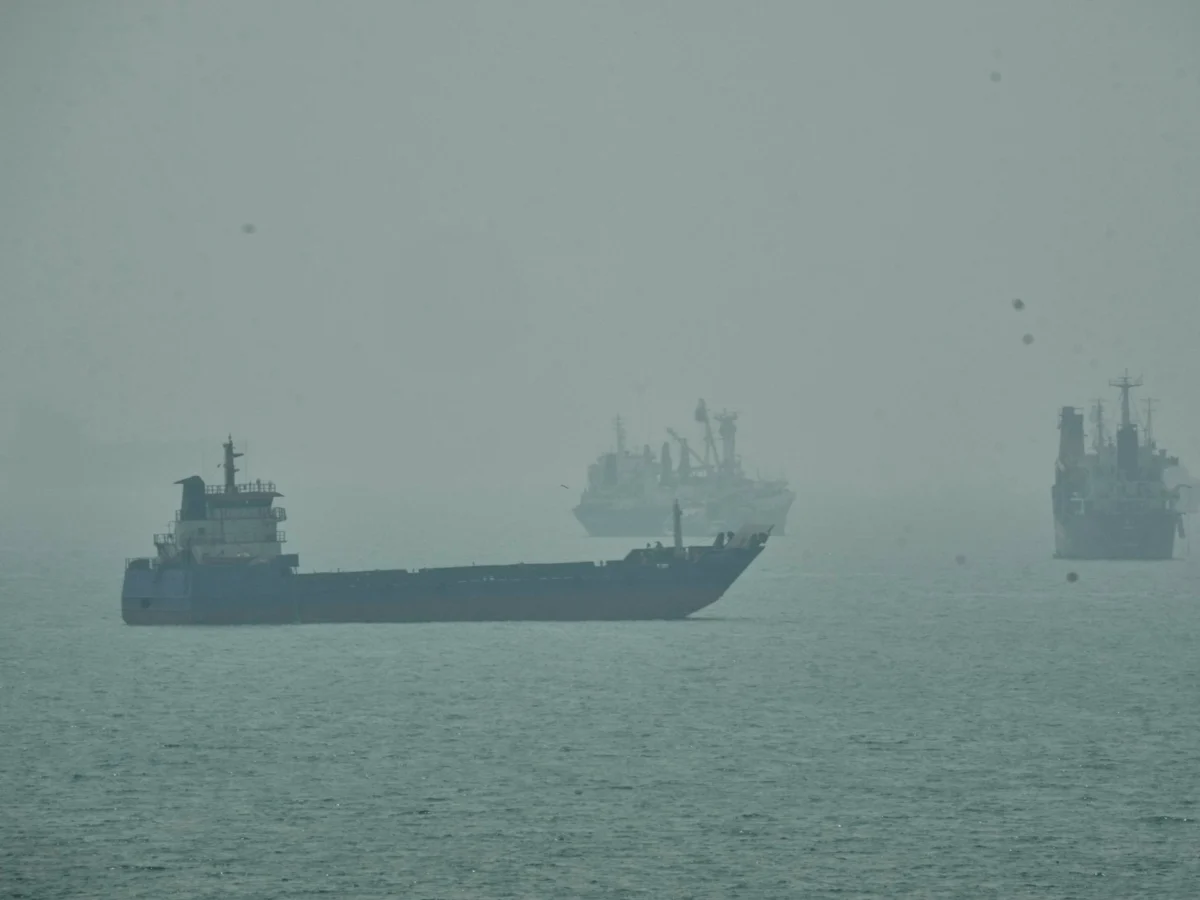
Oil prices climbed more than 3 percent, pushing Brent crude above $107 a barrel, after the Trump administration rejected Iran’s proposal to reopen the Strait of Hormuz, according to Al Jazeera. The rise reflects renewed concern over one of the world’s most important oil transit routes. A prolonged closure or renewed tension in the waterway could disrupt global energy supplies and drive further price swings.
The Strait of Hormuz, located between Iran and the Arabian Peninsula, handles roughly one-fifth of global petroleum liquids transit, making any disruption a major factor for oil markets. While Iran has previously threatened actions in the strait, the current offer and its rejection add another layer of uncertainty for traders and policymakers watching Middle East developments closely.
Key Facts
- Oil prices rose more than 3 percent to top $107 a barrel (Brent crude).
- The Trump administration rejected Iran’s proposal to reopen the Strait of Hormuz.
- The proposal was said to aim at ending ongoing conflict, per Al Jazeera reporting.
What happens next?
Markets will be watching for any renewed diplomatic activity or military signaling from either side. A reopened strait would likely ease price pressure, while renewed threats or incidents could push prices higher still. Traders are also sensitive to broader geopolitical shifts in the region, given the strait’s role as a chokepoint for oil supply chains.
The rejection adds to a fragile backdrop for energy markets already affected by supply disruptions elsewhere. With floating storage near capacity and OPEC+ output decisions pending, even small shifts in perception about route security can move benchmarks sharply, as seen with the recent Brent rally.
Who is affected?
Consumers worldwide face higher fuel costs as crude benchmarks climb, with ripple effects into gasoline and diesel prices. Shipping firms and logistics companies dependent on Gulf routes are also exposed to potential schedule changes or rerouting costs. Governments reliant on energy imports, particularly in Asia and Europe, are monitoring developments for budget and inflation impacts.
Exporters such as Saudi Arabia, Iraq, and the UAE may see short-term price gains, though prolonged instability risks demand concerns later in the curve. Financial markets including energy stocks and oil-linked currencies are also feeling pressure as investors weigh risks to supply continuity versus upside scenarios.
How did we get here?
Tensions between the United States and Iran have simmered for years, with periodic flare-ups affecting Gulf shipping lanes. Recent proposals reportedly aimed at de-escalation, including measures tied to reopening the strait, were met with a firm dismissal from Washington, per Al Jazeera. That decision appears to have spooked markets already sensitive to supply risks.
Past episodes involving harassment of vessels or mining incidents in the strait have sent prices surging within hours. With satellite tracking showing limited visibility into near-term naval movements, participants are leaning heavily on political cues and historical precedent when pricing risk.
What We Know — and What We Don’t
Verified by the source:
- Brent crude rose over 3 percent to above $107 a barrel.
- The Trump administration rejected a proposal from Iran to reopen the Strait of Hormuz.
- Iran’s proposal was framed as an effort to end ongoing conflict.
Still unconfirmed:
- Exact timing or terms of Iran’s proposed offer.
- Specific U.S. rationale cited by the Trump administration.
- Whether additional diplomatic channels remain active.
- Actual volume of traffic affected by the closure episode.
Why It Matters
oil prices influence inflation, consumer budgets, and government balances globally. A renewed premium on Gulf transit risk can shift spending toward alternative suppliers and accelerate energy investment decisions, particularly in regions seeking to diversify away from volatile corridors.
What To Watch
Follow-up statements from the Trump administration and potential Iranian responses could quickly reshape market direction. Monitoring naval activity reports and any informal diplomatic overtures will signal whether de-escalation efforts resume or tensions deepen further.
Oil prices surged past $107 per barrel after the Trump administration rejected Iran’s proposal to reopen the Strait of Hormuz, underscoring market sensitivity to Gulf supply risks.