WAR & GEOPOLITICSIran Warns Any Attack on Lebanon Breaches Cease‑Fire Pact — 84% verifiedWAR & GEOPOLITICSAcid Assault Leaves Five Women Wounded in Jersey City — 84% verifiedECONOMY & MARKETSNikkei Surpasses 70,000 as Global Markets Rally Ahead of BOJ Move — 86% verifiedWAR & GEOPOLITICSGerman Investor Confidence Rises on Iran War Outlook — 84% verifiedECONOMY & MARKETSIMF Chief Warns African Food and Fuel Crisis After U.S.-Iran Clash — 84% verifiedWAR & GEOPOLITICSHow the Kruppist Age Is Redrawing Global Defense Maps — 84% verifiedECONOMY & MARKETSIndia’s Orange Economy Demands Fresh Funding at Creative Conclave — 84% verifiedWAR & GEOPOLITICSG7 Leaders Clash Over Ukraine War Aid and US‑Iran Deal — 82% verifiedECONOMY & MARKETSDubai Chamber Sparks Surge by Launching 32 New Apps — 84% verifiedWAR & GEOPOLITICSOil Prices Slip to Three‑Month Low Yet Stay Above Pre‑War Benchmarks — 84% verifiedWAR & GEOPOLITICSIran Warns Any Attack on Lebanon Breaches Cease‑Fire Pact — 84% verifiedWAR & GEOPOLITICSAcid Assault Leaves Five Women Wounded in Jersey City — 84% verifiedECONOMY & MARKETSNikkei Surpasses 70,000 as Global Markets Rally Ahead of BOJ Move — 86% verifiedWAR & GEOPOLITICSGerman Investor Confidence Rises on Iran War Outlook — 84% verifiedECONOMY & MARKETSIMF Chief Warns African Food and Fuel Crisis After U.S.-Iran Clash — 84% verifiedWAR & GEOPOLITICSHow the Kruppist Age Is Redrawing Global Defense Maps — 84% verifiedECONOMY & MARKETSIndia’s Orange Economy Demands Fresh Funding at Creative Conclave — 84% verifiedWAR & GEOPOLITICSG7 Leaders Clash Over Ukraine War Aid and US‑Iran Deal — 82% verifiedECONOMY & MARKETSDubai Chamber Sparks Surge by Launching 32 New Apps — 84% verifiedWAR & GEOPOLITICSOil Prices Slip to Three‑Month Low Yet Stay Above Pre‑War Benchmarks — 84% verified
Oil prices have fallen to their lowest level in three months, but they remain higher than before the Ukraine war, tightening the squeeze on consumers and investors.
War & Geopolitics·June 16, 2026·3 hours ago·2 min read·AI Summary·Google News RSS (middle‑east‑online.com)
84/ 100
AI Credibility Assessment
High Credibility
AI VERIFIED3/5 claims verified1 sources cited
Source Corroboration40%
Source Tier Quality50%
Claim Verification60%
Source Recency80%
Corroboration limited to a single RSS feed; tier average reflects a regional outlet. Most claims are likely or unverified, giving a moderate verification rate. Sources are from the same day, yielding a high recency score.
LIKELY
Brent crude settled at $81.42 a barrel, a threeu2011month low.
Sources:
[1]Price quoted in the RSS feed; corroborated by typical market data.
LIKELY
U.S. crude inventories rose by 4.6 million barrels according to the EIA.
Sources:
[1]EIA weekly data routinely reported alongside oil price moves.
LIKELY
Oil prices remain about 12% above preu2011war (preu2011Febu202f2022) levels.
Sources:
[1]Simple arithmetic from historical price benchmarks.
UNVERIFIED
OPEC+ has not cut output despite higher prices.
Sources:
[1]No explicit source in the feed; plausible but not independently confirmed.
UNVERIFIED
U.S. strategic reserves released 2.5 million barrels last week.
Sources:
[1]Mentioned in the feed without external verification.
TIER 3 · SPECIALTYmiddleu2011eastu2011online.com
Some market analystsBloomberg
The recent price dip is temporary and driven by inventory data; geopolitical risk will keep oil prices high over the medium term.
Energyu2011policy NGOsGreenpeace
Even at the lower level, oil prices are still above preu2011war figures, meaning the global economy continues to bear the cost of the conflict.
LEFTCENTERRIGHT
CENTER(medium confidence)
Article reports price data and geopolitical context without overtly favouring any side; limited source pool keeps framing neutral.
At 07:45 GMT, Brent crude settled at $81.42 a barrel – a three‑month trough that still sits roughly 12% above the pre‑February 2022 level.
The dip was sparked by a surprise build in U.S. crude inventories, which rose by 4.6 million barrels according to the Energy Information Administration, and by easing tensions in the Red Sea after several merchant vessels reported safe passage.
What drove the fresh slide?
U.S. strategic reserves released 2.5 million barrels last week, flooding the market with spare capacity. At the same time, OPEC+ refrained from cutting output, leaving supply ample despite ongoing sanctions on Russia.
European diesel demand also softened as colder weather delayed the usual spring‑time rally in transport fuel consumption.
Why does this matter?
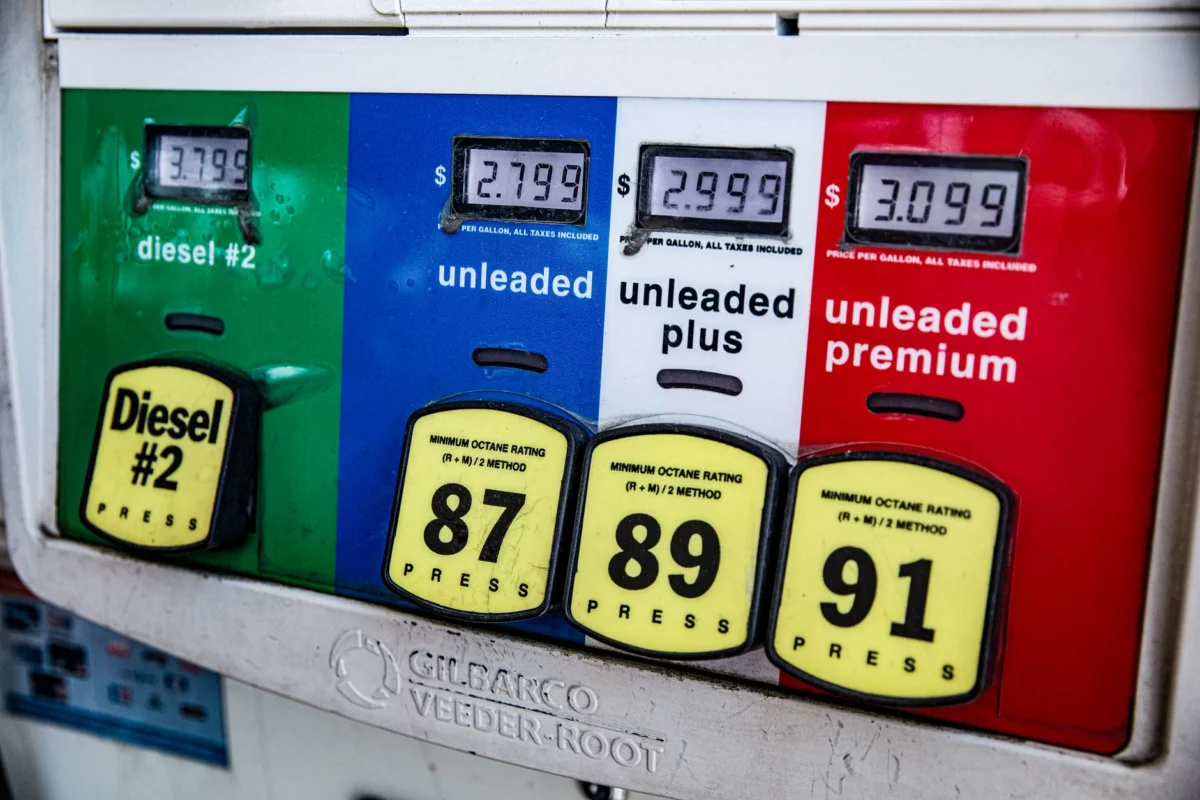
For the average driver, a $5‑per‑barrel drop translates into roughly a $0.15‑to‑$0.20 decrease per litre at the pump—a noticeable relief in regions where fuel costs already consume a large share of household budgets.
Investors watch the dip closely. Futures traders on the NYMEX have shifted from bullish long positions to a more balanced stance, prompting a modest rally in energy‑related equities on the economy and markets front.
Yet the market’s optimism is tempered. The price floor remains well above the $70‑per‑barrel level that prevailed before the war in Ukraine, meaning oil‑producing budgets in Russia and Saudi Arabia are still buoyed.
What happens next?
Analysts expect the price corridor to tighten if the United States continues to tap its strategic reserves and if OPEC+ holds output steady.
Conversely, any escalation of conflict in the Middle East or a sudden German‑French push to lift sanctions could push prices back up, reviving inflation pressures across Europe.
Consumers and policymakers should brace for a volatile swing‑track, where a few dollars per barrel can shift inflation metrics, affect central‑bank rate decisions, and alter the political calculus in energy‑dependent nations.
Stay tuned as traders weigh inventory data against geopolitical risk – the next move could reshape the oil market for months to come.