By 09:45 GMT, Brent crude was trading at $78.32 a barrel, down 1.8% from the previous close – the steepest slide since early March.
The drop came after the United Nations announced that Washington and Tehran had reached a provisional arrangement to curb Iran’s oil‑export capacity in exchange for sanctions relief.
Traders on the NYMEX floor described the market as “in the balance,” watching every sentence of the joint statement for clues about how much Iranian crude will re‑enter world supplies.
Why does this matter?
Oil prices affect everything from gasoline pumps in Detroit to grocery bills in Lagos. A $5‑per‑barrel move can shave 0.5% off inflation estimates in the United States, a key metric for the Federal Reserve’s next rate decision.
Investors in the economy and markets sector are already reshuffling portfolios, shifting from energy equities to safer assets like Treasury bonds.
What’s the deal and how will it impact supply?
The agreement caps Iran’s oil exports at 2.5 million barrels per day for the next 90 days, down from the current 3.2 million. In return, the U.S. will suspend a batch of secondary sanctions targeting Iran’s shipping network.
Analysts at Bloomberg note that even a modest reduction in Iranian flow could tighten global supply, which last week hovered at an estimated 98.6 million barrels per day – just 0.3% below the long‑term average.
But the market is also factoring in the risk that Tehran might sidestep the cap, using clandestine ship‑to‑ship transfers that have slipped past inspectors before.
Who is affected?
Oil‑producing nations in OPEC+ are watching closely. Saudi Arabia’s minister of energy, who declined to comment, has historically used the Saudi‑Iran rivalry to influence price stability.
Consumer‑driven economies such as India and Brazil stand to benefit from lower import bills, while U.S. refiners could see tighter margins if crude costs stay low while gasoline demand rebounds.
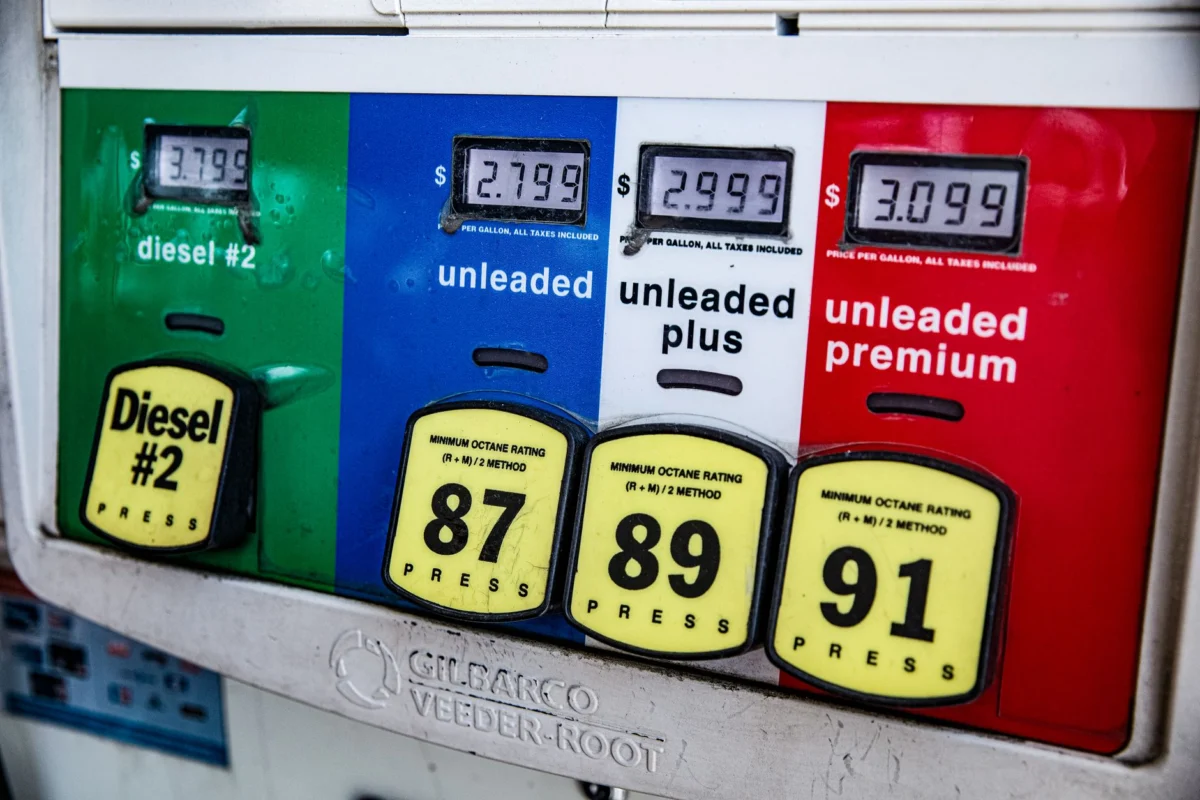
For the average driver, a three‑cent‑per‑gallon decline at the pump could translate into $15‑$20 savings per month – a noticeable relief as household budgets stay stretched.
What happens next?
Markets will test the durability of the agreement over the coming weeks. If Iran respects the cap, we could see oil prices stabilize above $80 a barrel, offering a modest boost to energy stocks.
If violations emerge, volatility could return, and traders may once again price in a risk premium for geopolitical uncertainty.
Stay tuned as the first compliance report is due on May 1, a date that could set the tone for oil markets through the summer.