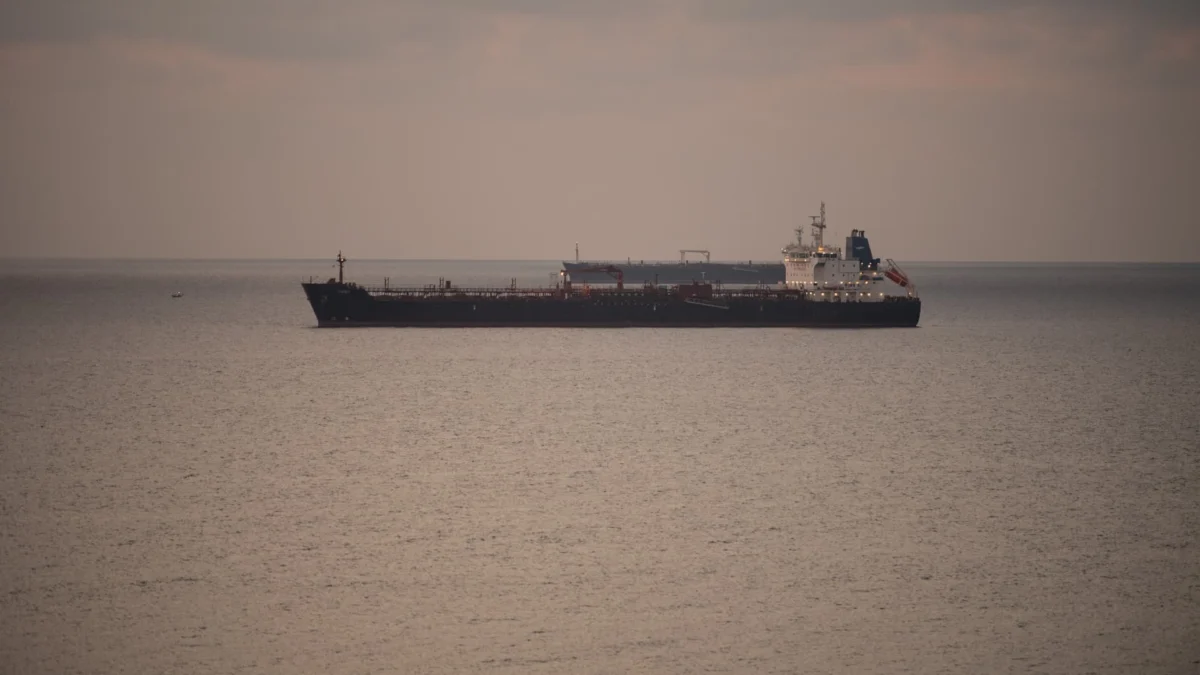
Oil prices gained ground as Middle East tensions and warnings of potential U.S. military action stirred fresh concerns over crude supply disruptions. According to US Top News and Analysis, President Donald Trump and his national security team have discussed restarting large-scale U.S. military operations in Iran in the coming weeks, a move that could further inflame regional instability. The possibility of renewed conflict in the Middle East has revived investor anxiety about oil production and shipping routes in the region, particularly through the Strait of Hormuz, a key global chokepoint. While no official decision has been announced, the mere discussion of escalated military involvement has already sent ripple effects through energy markets, pushing Brent and WTI crude futures higher. Analysts note that even unconfirmed reports of potential military planning can sway market sentiment when they touch on geopolitically sensitive regions like the Persian Gulf. The connection between political uncertainty and energy pricing remains a dominant force in global markets, with traders closely watching diplomatic and defense signals for signs of escalation or de-escalation. As Middle East tensions persist, oil markets are likely to remain volatile, reflecting both immediate supply fears and longer-term concerns about regional stability impacts on global energy flows.
KEY FACTS
- Oil prices rose as Middle East tensions increased supply concerns.
- President Donald Trump and aides discussed restarting major U.S. military operations in Iran.
- The potential operations are reportedly being considered within the coming weeks.
- The report was published by US Top News and Analysis.
THE STORY
What drives the recent oil price surge?
The recent increase in oil prices stems directly from renewed concerns about supply disruptions tied to geopolitical developments in the Middle East. Traders and investors react swiftly to any indication that major producing nations or critical transit routes may face threats. The Strait of Hormuz, through which roughly one-fifth of the world’s petroleum liquids pass daily, sits at the heart of these concerns. Any perceived risk to this corridor tends to trigger immediate price adjustments in futures markets. In this context, news that senior U.S. officials are weighing renewed military action in Iran introduces additional uncertainty. Although no formal plans have been disclosed publicly, the possibility alone appears sufficient to influence trading behavior. Energy analysts often emphasize that oil markets are particularly sensitive to political rhetoric involving key producers or transit zones. Therefore, even preliminary discussions among high-ranking policymakers can have tangible financial consequences. This dynamic underscores how interconnected global energy security and international diplomacy have become.
How did we get here?
Tensions between the United States and Iran have simmered for years, shaped by disputes over nuclear policy, sanctions enforcement, and regional influence. Under prior administrations, diplomatic negotiations led to agreements aimed at curbing Iran’s nuclear program. However, shifts in approach—including changes in U.S. foreign policy priorities—have altered the landscape significantly. More recently, incidents such as maritime confrontations near the Persian Gulf and cyber activities have contributed to an environment where military options are regularly debated within government circles. National security advisors and defense leadership routinely assess scenarios that might require swift responses to protect strategic interests or allies. These deliberations often involve evaluating potential targets, logistical capabilities, and broader implications for regional stability. When such internal discussions surface externally—even indirectly—they tend to attract media attention and public scrutiny. The resulting ambiguity creates openings for market speculation and heightened alertness across commodity sectors dependent on secure supply chains.
What happens next?
Moving forward, much will depend on whether any concrete steps emerge from the reported deliberations. Official statements from either the White House or Pentagon would offer clarity, though past experience suggests that sensitive military matters are rarely confirmed until actions are underway. Meanwhile, energy markets will continue to factor in risk premiums based on evolving intelligence and commentary from credible sources. If escalation unfolds, producers may consider rerouting shipments or increasing stockpiles, while consumers brace for elevated costs. Conversely, diplomatic breakthroughs or de-escalatory gestures could stabilize prices rapidly. International organizations like OPEC+ also monitor these developments closely, ready to adjust output levels if needed to compensate for disruptions. For now, observers await further signals indicating whether Middle East tensions will translate into actual policy shifts or fade without material consequence.
WHAT WE KNOW — AND WHAT WE DON’T
Verified by the source:
- Oil prices increased following reports about possible U.S. military planning in Iran.
- President Trump and his national security team held discussions on restarting large-scale operations.
- These discussions reportedly occurred within the framework of upcoming weeks.
- The information originated from US Top News and Analysis coverage.
Still unconfirmed:
- No official confirmation exists regarding specific military plans or timelines.
- Exact details of the scope or targets of any proposed operations remain unknown.
- Identity of individuals beyond President Trump involved in the discussions is not named.
Oil markets reacted to Middle East tensions and unverified reports of possible U.S. military action, leaving investors bracing for renewed supply shocks.
WHY IT MATTERS
Geopolitical risks in oil-rich regions directly affect fuel costs for households and businesses worldwide. Even rumors of potential conflict can drive up energy prices, influencing inflation, transportation expenses, and economic growth projections globally.
WHAT TO WATCH
Markets remain poised for movement depending on whether any official announcements follow these preliminary discussions. Additional commentary from defense officials or international bodies could either calm nerves or amplify existing supply concerns.