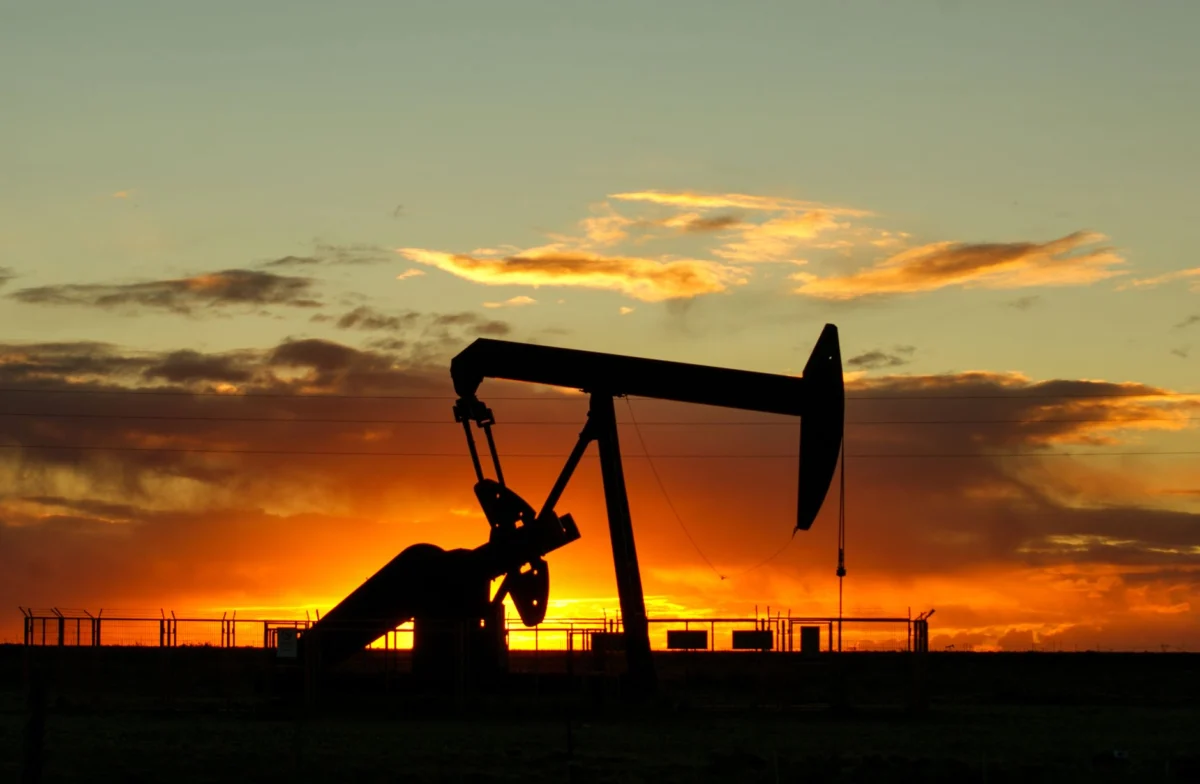
Oil prices are on track for a second consecutive weekly increase as geopolitical tensions between the US and Iran continue to disrupt supply flows. The unsettled situation between the two nations is creating uncertainty in energy markets, with crude prices reflecting the heightened risk.
The sustained price increase comes amid ongoing friction between Washington and Tehran, though the exact nature of recent escalations remains unspecified in available reports. Market analysts typically view such geopolitical tensions in the Middle East as bullish for oil prices due to the region’s significant production capacity.
KEY FACTS
- Oil prices are set for their second weekly rise
- The increase is linked to unsettled tensions between the US and Iran
- The situation is crimping global oil supply
WHAT’S DRIVING THE PRICE INCREASE?
Geopolitical tensions in oil-producing regions often lead to price volatility as traders factor in potential supply disruptions. The Middle East accounts for approximately one-third of global oil production, making stability in the region crucial for energy markets. While the current report doesn’t specify new developments in US-Iran relations, even the continuation of existing tensions can influence trader sentiment and pricing.
HOW DOES THIS AFFECT GLOBAL MARKETS?
Rising oil prices typically have widespread economic implications, potentially increasing costs for transportation, manufacturing, and consumer goods. Energy-importing nations may face growing trade deficits, while producers could benefit from higher revenues. The current situation bears watching particularly as many economies grapple with inflation concerns following pandemic recovery periods.
WHAT WE KNOW — AND WHAT WE DON’T
Verified by the source:
- Oil prices are rising for a second consecutive week
- The increase relates to US-Iran tensions affecting supply
Still unconfirmed:
- The specific nature of recent US-Iran developments
- Which oil supply routes or production areas are most affected
- How long the price increase might continue
WHY IT MATTERS
Oil price movements have cascading effects across the global economy, influencing everything from gasoline prices to inflation rates. With many countries still recovering from economic shocks of recent years, sustained energy price increases could complicate monetary policy decisions and household budgets worldwide.
WHAT TO WATCH
Market observers will monitor whether the US-Iran situation escalates further or shows signs of de-escalation, along with any official statements from energy ministries or OPEC regarding production plans. For more on energy market trends, see our economy and markets coverage.