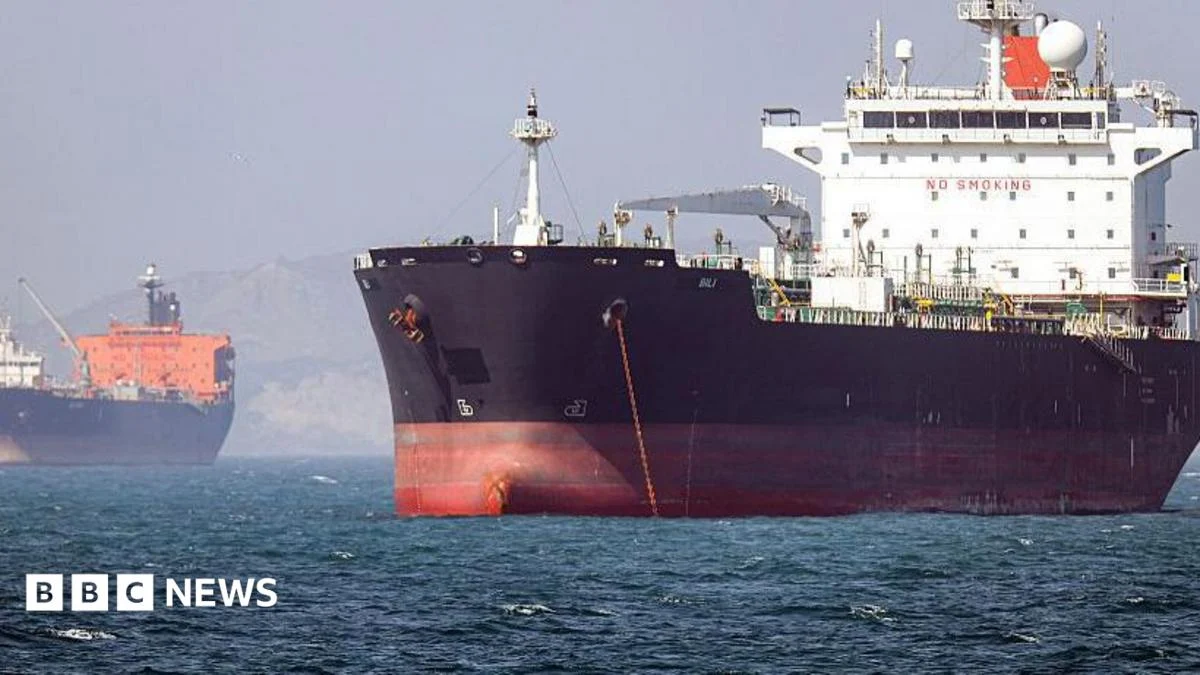
Oil prices declined following reports that negotiations to reopen the Strait of Hormuz, a critical global oil shipping route, have made progress. U.S. Secretary of State Marco Rubio and Treasury Secretary Scott Bessent announced the development, raising hopes for resumed oil shipments through the strategic waterway.
Key Facts
- Oil prices fell due to potential reopening of the Strait of Hormuz
- U.S. Secretary of State Marco Rubio reported progress in talks
- U.S. Treasury Secretary Scott Bessent also confirmed negotiation advances
- Shipments could resume through the strategic waterway
Why reopening matters
The Strait of Hormuz serves as a vital shipping lane for global oil supplies, with about 20% of the world’s oil passing through it. Any disruption to this route significantly impacts global oil prices and supply chains. The potential reopening could stabilize markets that have been volatile due to shipping restrictions.
What comes next?
While officials have indicated progress in talks, no specific timeline has been provided for when shipments might fully resume. Market observers will watch for official announcements regarding concrete steps to reopen the waterway and any conditions attached to the agreement.
What We Know — and What We Don’t
Verified by the source:
- Oil prices declined on reopening hopes
- Two U.S. officials confirmed negotiation progress
- The Strait of Hormuz is involved in the talks
Still unconfirmed:
- Specific terms of any reopening agreement
- Date when shipments might resume
- Which countries or parties are involved in negotiations
Why It Matters
The Strait of Hormuz’s status directly affects global energy markets and economic stability. Reopening could lower fuel costs worldwide and ease supply chain pressures that have contributed to inflation in many countries.
What To Watch
Further official announcements regarding the Strait of Hormuz negotiations and subsequent movements in oil prices as markets react to developments.