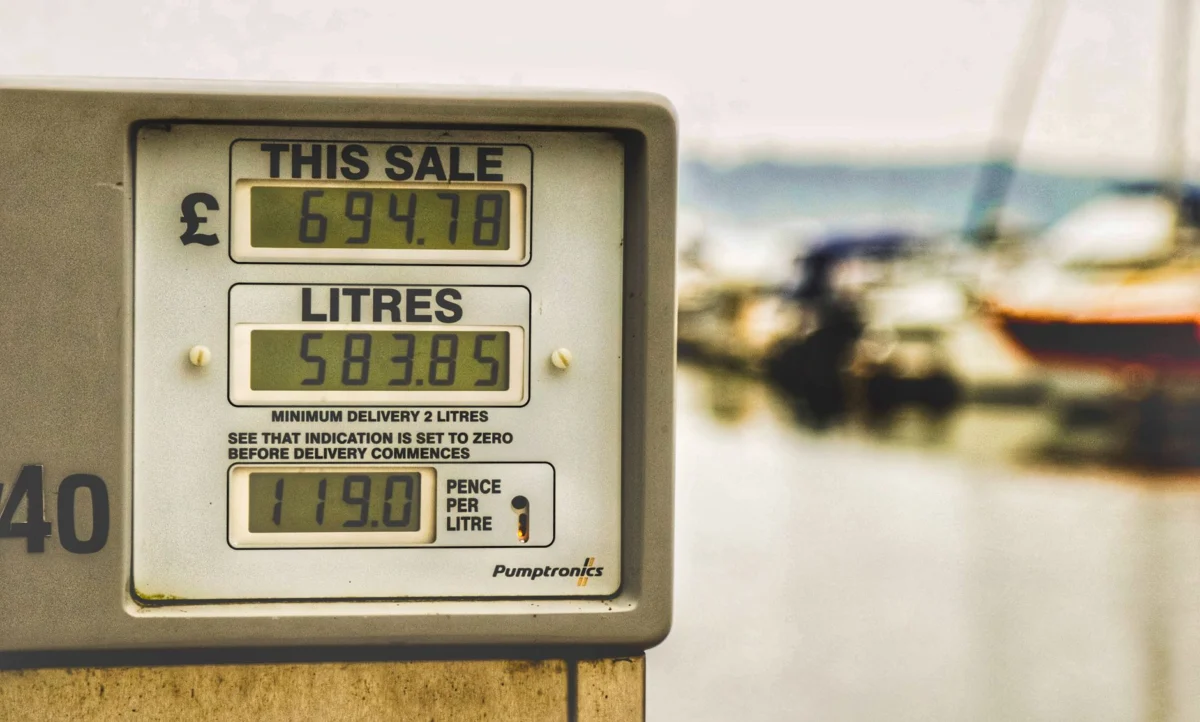
Oil majors face increasing scrutiny over how they will deploy surplus cash generated by soaring oil prices tied to the Iran-Israel conflict, underscoring growing investor and public pressure around capital discipline amid surging revenues.
The windfall has reignited debates over whether these companies will prioritize share buybacks, dividends, reinvestment in production, or new energy projects, as stakeholders demand greater transparency and long-term value creation.
Key Facts:
- Oil majors are facing a spending test
- The spending pressure comes from windfall cash
- Windfall cash is tied to the Iran war
Where the money goes
Oil companies have historically struggled with managing large inflows during price spikes, often leading to overconfidence in long-term price assumptions and subsequent writedowns when markets cool. With oil prices climbing due to supply disruptions and geopolitical tension near the Persian Gulf, these firms now hold unusually high levels of liquid capital. Analysts note that shareholders are increasingly focused not just on returns but on strategic clarity.
How did we get here?
The current situation stems from escalating hostilities between Iran and Israel, which have disrupted shipping lanes and raised concerns over potential damage to energy infrastructure. While the conflict remains volatile, markets have reacted swiftly with higher crude futures, directly boosting revenues for upstream operators like Saudi Aramco, ExxonMobil, Shell, and BP. These players previously faced criticism for underinvesting during downturns and overspending during booms.
What happens next?
Investors are watching upcoming quarterly reports and board meetings for concrete plans on capital allocation. Some analysts expect announcements regarding debt reduction or expansion into low-carbon ventures. However, any major spending commitment made now could become contentious if oil prices stabilize sooner than projected.
What We Know — and What We Don’t
Verified by the source:
- Oil majors are experiencing increased financial flexibility due to rising oil prices
- This rise is associated with the ongoing conflict involving Iran
- Firms are being called upon to demonstrate responsible allocation strategies for excess funds
- The exact amount of additional revenue each company has accrued
- Specific timelines or frameworks guiding spending decisions
- Whether governments might intervene through windfall taxes
- Precise nature of geopolitical risks affecting future supply chains
Still unconfirmed:
Why It Matters
How oil majors choose to reinvest their windfalls affects everything from energy security to climate goals. Transparent decision-making can influence market confidence while shaping the pace at which the industry transitions toward cleaner technologies.
What To Watch
Stakeholders should monitor whether companies align their strategies more closely with sustainability targets or double down on traditional fossil fuel expansion.
Major oil companies are under pressure to explain how they plan to spend unexpected gains driven by Middle East tensions.