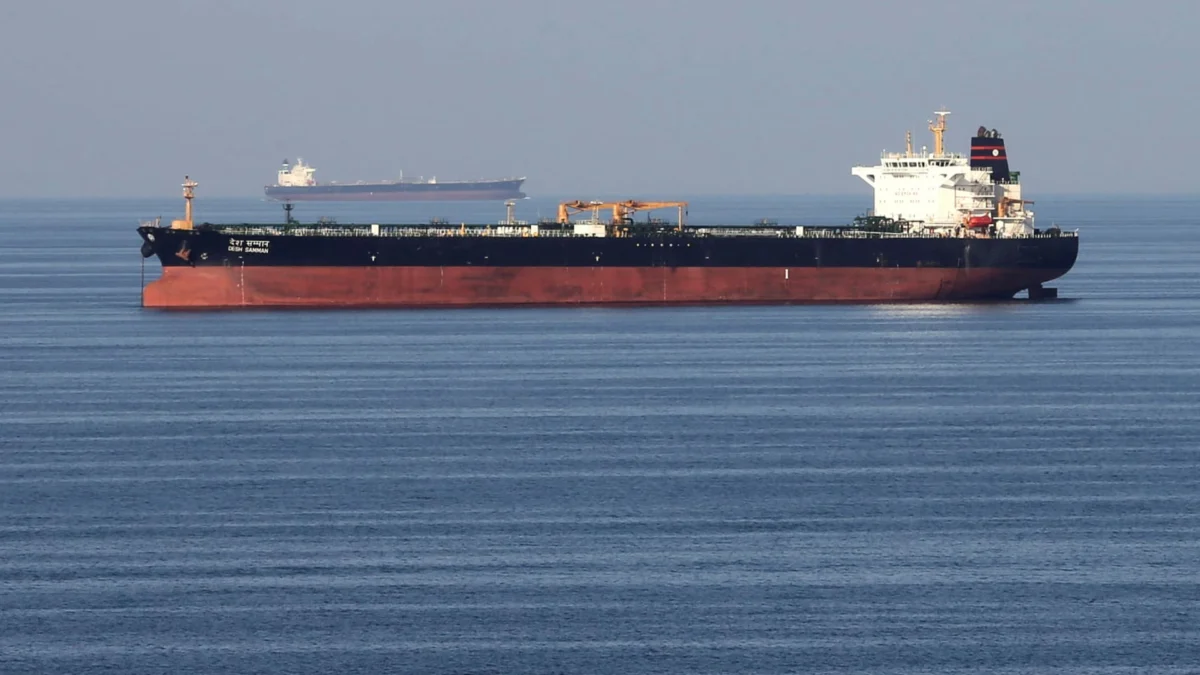
Oil prices held firm above $100 a barrel on Thursday, with Brent crude climbing to a five-month high after Iran said it is prepared for warfare, according to US Top News and Analysis.
U.S. West Texas Intermediate (WTI) crude futures stayed above the $100 threshold, while Brent crude touched levels not seen since early this year. The move comes amid rising geopolitical tension in the Middle East, where Iran’s comments have raised concerns about potential disruptions to global oil supply routes.
KEY FACTS
- U.S. oil prices held above $100 per barrel.
- Brent crude reached a five-month high.
- Iran stated it is prepared for warfare.
- President Donald Trump accused Iran of attempting to manipulate the oil market.
The Escalation
Iran’s declaration of readiness for warfare contributed to a sharp uptick in oil prices on global markets. While the statement did not specify a timeline or trigger, the rhetoric reflects ongoing instability in the region. Oil traders typically react swiftly to any perceived threat to production or shipping lanes, especially in the Persian Gulf, where a significant portion of global oil exports originate.
The five-month high in Brent crude indicates heightened caution among investors and energy market participants. Brent is widely viewed as the international benchmark for oil pricing and often reacts more sensitively to geopolitical developments than WTI, which is priced domestically within the United States.
What Happens Next?
Market observers are now watching for further commentary from Iranian officials and potential responses from other regional actors, including Saudi Arabia and the United States. Any escalation could prompt additional volatility in oil prices, affecting everything from gasoline costs to broader inflation trends worldwide.
The Politics Behind the Price
U.S. President Donald Trump publicly accused Iran of attempting to manipulate the oil market, suggesting that Tehran’s war rhetoric is strategically timed to influence energy prices ahead of potential policy decisions. Such accusations have previously surfaced during periods of heightened tension, underscoring the intersection of geopolitics and energy markets.
Iranian leadership has repeatedly framed its military posture as defensive, citing sanctions and regional conflicts as justification for its stance. However, statements about preparedness for warfare—especially when coupled with rising oil prices—often signal to global markets that supply chain risks are increasing. This dynamic places pressure on both producing nations and consuming countries to reassess energy security strategies.
WHAT WE KNOW — AND WHAT WE DON’T
Verified by the source:
- U.S. oil prices remained above $100 per barrel.
- Brent crude reached a five-month high.
- Iran said it is prepared for warfare.
- President Trump accused Iran of manipulating the oil market.
Still unconfirmed:
- The specific cause or timing behind Iran’s statement.
- Whether Iran’s remarks led directly to the price increase.
- Any planned U.S. or allied response to Iran’s declaration.
- Exact figures for how much prices rose or in what volume trades occurred.
WHY IT MATTERS
Oil prices play a central role in shaping economic conditions across the globe. When prices spike due to geopolitical tensions, consumers often face higher costs at the pump, while governments grapple with increased import bills. For investors, such movements highlight the enduring influence of political risk on financial markets.
WHAT TO WATCH
Analysts expect continued scrutiny of Iranian state media and diplomatic channels for further signs of escalation. Additionally, upcoming data releases on U.S. crude inventories and OPEC+ production levels may offer clearer insight into whether current price trends will persist.