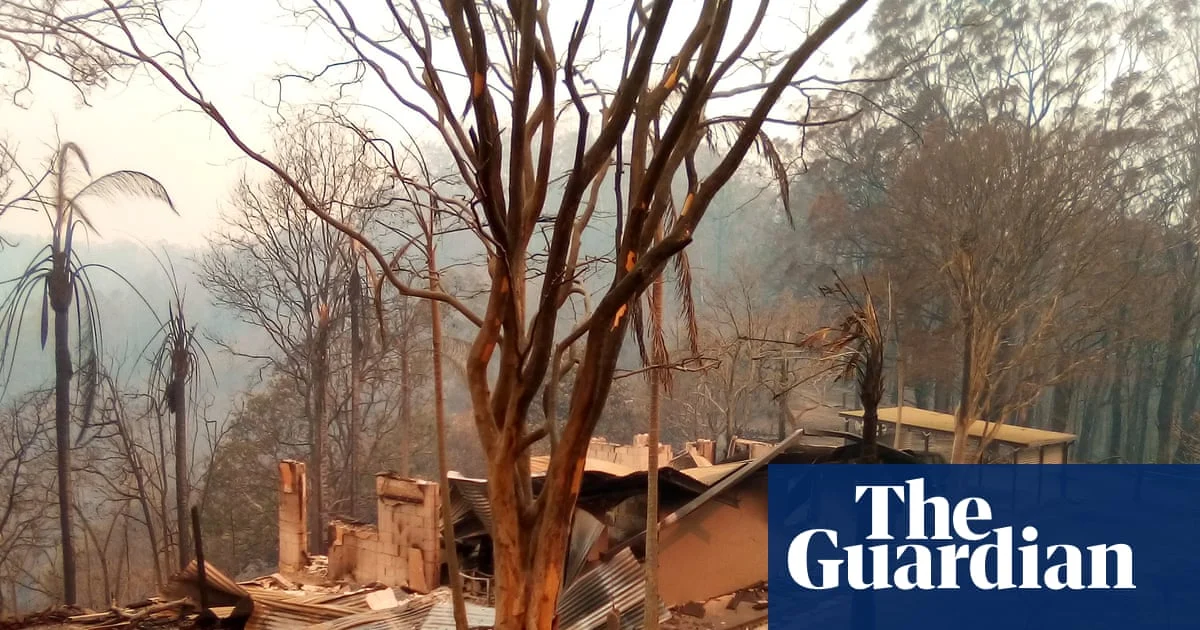
New South Wales research confirms almost all homes destroyed during the Black Summer bushfires were within a 100-metre buffer zone of flammable vegetation, reinforcing official risk mapping. The findings validate existing advice about high-risk properties, though researchers warn worsening fire conditions may require extending those distances.
KEY FACTS
- Almost all NSW homes destroyed in Black Summer bushfires were within 100m of flammable vegetation.
- The 100-metre buffer zone is used to identify properties most at risk.
- The findings support official risk maps used by authorities.
- Worsening conditions may make more homes unsafe, prompting review of buffer distances.
What happens next?
As fire conditions intensify due to global heating, firefighters may need to extend the recommended distances between homes and vegetation to protect properties, according to the research. This could lead to updated building codes and land-clearing regulations across high-risk areas.
Experts predict more frequent and severe bushfires, increasing the likelihood that current 100-metre guidelines will become insufficient. Authorities are already considering expanded buffer zones to reduce future risk to residential areas.
THE STORY
Why the 100-metre buffer matters
The 100-metre buffer zone is a standard measure used by officials to identify homes at highest risk during bushfires. It represents the distance at which radiant heat and ember attacks from nearby vegetation can ignite structures, particularly those made of combustible materials.
Research analysing property damage from the Black Summer fires of 2019 and 2020 found that nearly every destroyed home fell within this zone. This pattern aligns with previous fire behaviour studies showing that homes closest to bushland face dramatically higher odds of destruction during extreme fire weather.
THE STORY
Who is affected
Residents in bushland-adjacent suburbs and rural villages face the greatest danger, especially those living in areas classified as high-risk under official planning schemes. These communities were disproportionately impacted during Black Summer, when catastrophic conditions led to widespread destruction.
Insurance data and emergency service records suggest that property owners in these zones experience higher loss rates, even when buildings meet basic bushfire resilience standards. Many affected individuals were unprepared for the scale of destruction or unaware of their exposure.
THE STORY
How did we get here
The Black Summer bushfires burned across millions of hectares in Australia between 2019 and 2020, razing thousands of homes and prompting urgent reviews of fire safety policy. Since then, climate scientists have noted rising global temperatures, prolonged drought, and stronger winds contributing to more dangerous fire seasons.
The new research adds weight to long-standing calls for wider defensible space around homes. It also underscores the challenge facing firefighters and planners as they adapt to increasingly severe conditions, suggesting that traditional buffer zones may require expansion.
WHAT WE KNOW & WHAT WE DON’T
Verified by the source:
- A new study found most homes destroyed in NSW Black Summer fires were within 100m of vegetation.
- The 100m buffer identifies high-risk properties.
- Risk maps are used by authorities for planning.
- Conditions are expected to worsen, increasing home risk.
Still unconfirmed:
- Total number of homes destroyed during Black Summer.
- Names of researchers involved in the study.
- Exact timeline or publication details of the research.
- Specific policy changes proposed by authorities.
WHY IT MATTERS
Understanding bushfire buffer zones helps households and planners prepare for future emergencies. As climate pressures grow, updating safety distances could save lives and reduce economic losses during extreme events.
WHAT TO WATCH
Authorities may revise official buffer zone guidelines based on this research. Updates to national fire danger ratings and land-use policies will signal whether recommendations are adopted.
New research confirms almost all homes destroyed in NSW Black Summer bushfires fell within a 100-metre buffer zone near flammable vegetation, highlighting growing risks as climate conditions worsen.