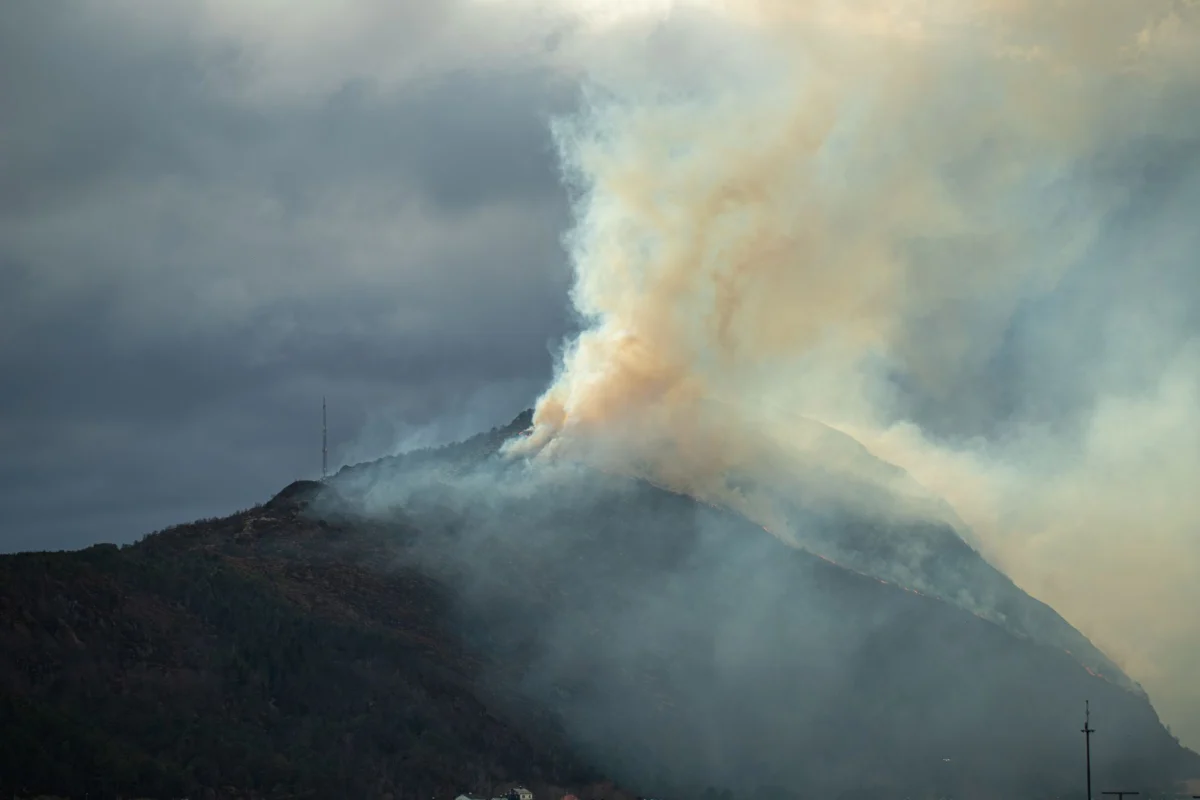
A massive Norway fire has destroyed more than 100 homes, becoming the country’s largest blaze in modern times.
The event marks a significant residential loss for Norway, with reports indicating the fire surpasses previous records for home destruction.
Officials have not released further specifics, but the scale of the blaze signals a major disruption for affected communities and a substantial emergency response.
Key Facts
- Massive fire reported in Norway.
- The fire destroyed more than 100 homes.
- It is now Norway’s largest fire in modern times.
What does a Norway fire of this scale mean?
In the context of Norwegian fire history, “modern times” generally refers to the period after World War II, during which large‑scale residential fires have been uncommon. Norway’s landscape includes extensive forests and rural settlements, but most fire incidents tend to be limited in size and property loss. A blaze that exceeds 100 destroyed homes therefore stands out as an outlier, indicating an unusually intense event that overwhelmed typical containment capabilities. Such a scale prompts questions about the conditions that allowed the fire to grow unchecked and the effectiveness of existing fire‑breaks and response protocols in the affected area.
Who is affected?
The immediate impact falls on residents whose homes have been damaged or destroyed, displacing families and potentially leaving them in need of temporary shelter, clothing, and basic supplies. Beyond homeowners, renters, landlords, and local businesses that rely on those residences for customers or employees also face disruption. Municipal services may see increased demand for emergency housing, social support, and infrastructure repairs. While the source does not specify casualties, the loss of dwellings alone suggests a considerable humanitarian challenge that will require coordinated assistance from local authorities, NGOs, and volunteer groups.
How did we get here?
Large fires often result from a combination of dry vegetation, warm temperatures, and wind, which can enable a small ignition to spread rapidly. Norway experiences seasonal variations in moisture, and periods of low rainfall can increase fire risk in both forested and rural zones. Human activity, such as equipment use or unattended flames, can also contribute to ignition points. Once a fire gains momentum, rugged terrain or limited access can hinder firefighting efforts, allowing the blaze to consume more structures before containment. The source does not detail the exact causes or conditions, but these general factors are commonly associated with significant fire events in similar environments.
What We Know — and What We Don’t
Verified by the source:
- Massive fire occurred in Norway.
- More than 100 homes were destroyed.
- The fire is now Norway’s largest in modern times.
Still unconfirmed:
- The exact cause of the fire.
- The specific location within Norway where the fire started.
- Whether there were any injuries or fatalities.
- The date and time the fire began.
- Details about firefighting efforts, resources deployed, and containment timelines.
The Norway fire has destroyed over 100 homes, making it the largest blaze in the country’s modern history.
Such a large‑scale residential fire highlights the vulnerability of communities to extreme fire events and underscores the importance of preparedness and resilient infrastructure in regions prone to wildfires.
Further updates may provide more information about the fire’s impact and response.