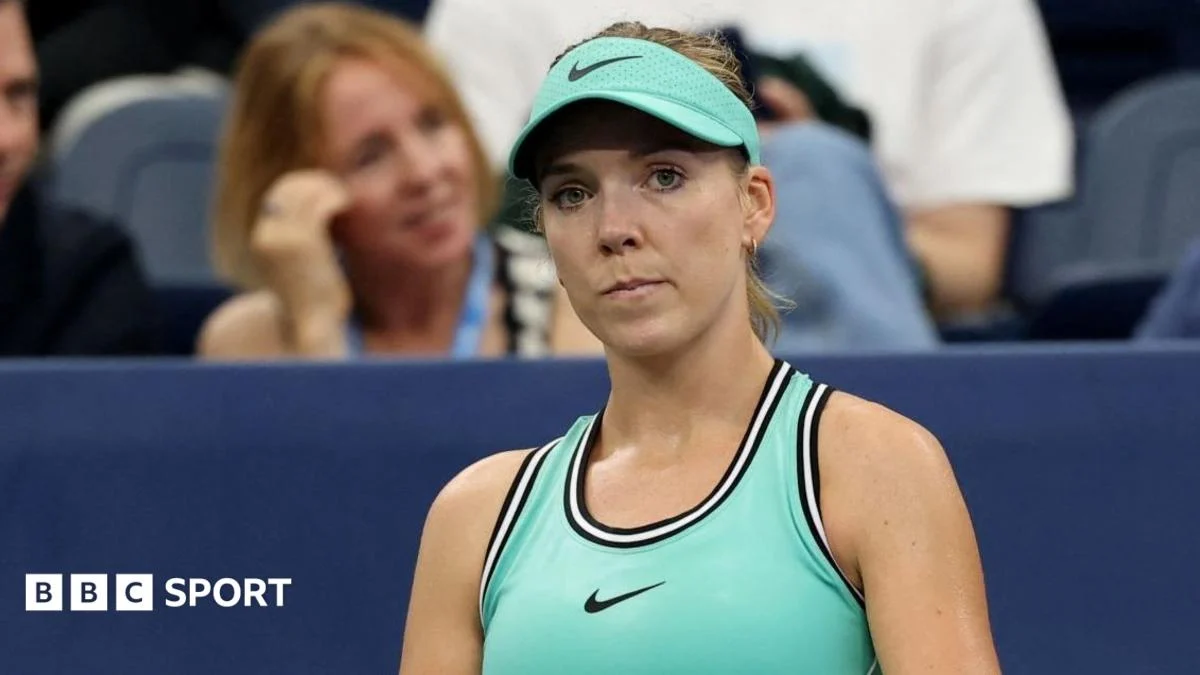
British tennis fans will have no homegrown players to cheer for in the second week of the US Open singles, marking another Grand Slam disappointment. However, the absence of British players raises questions about whether this indicates a broader crisis or if there are silver linings to consider in the future of UK tennis. The US Open, one of the four major Grand Slam tournaments, continues to be a stage where global talent shines, leaving British hopes unfulfilled once again.
Key Facts
- No British players remain in the US Open singles during the second week.
- This marks another Grand Slam tournament without UK representation in the later stages.
- The US Open is one of the four major Grand Slam events in tennis.
What Does This Mean for British Tennis? The absence of British players in the latter stages of the US Open singles is not a new phenomenon. Historically, UK tennis has faced challenges in producing consistent performers who can compete at the highest level. While stars like Andy Murray have brought glory in the past, the current landscape suggests a gap in emerging talent. This raises concerns about the depth and development of future UK tennis stars.
Is There Light at the End of the Tunnel? Despite the setback, there are reasons to remain optimistic. UK tennis has robust grassroots programs and academies aimed at nurturing young talent. Investments in coaching and infrastructure could yield positive results in the coming years. Additionally, British players have previously demonstrated resilience, bouncing back from similar slumps to achieve Grand Slam success.
What We Know — and What We Don’tVerified by the source:
- British players are absent from the second week of the US Open singles.
- The US Open is part of the Grand Slam tournament series.
Still unconfirmed:
- The specific reasons behind the lack of British players in the later stages.
- The immediate impact of this absence on UK tennis programs.
Why It MattersThe performance of British players in Grand Slam tournaments is a barometer for the health of UK tennis. Their absence highlights the need for continued investment and strategic planning to ensure future success on the global stage.
What To WatchAttention now turns to upcoming tournaments and the development of young British talent, with hopes that future Grand Slam events will see a stronger UK presence.