The survival of Nissan’s Sunderland plant has become a critical factor in north-east England’s economic recovery as it operates at half its potential capacity while seeking partnerships like China’s Chery to offset Brexit-related disruptions.
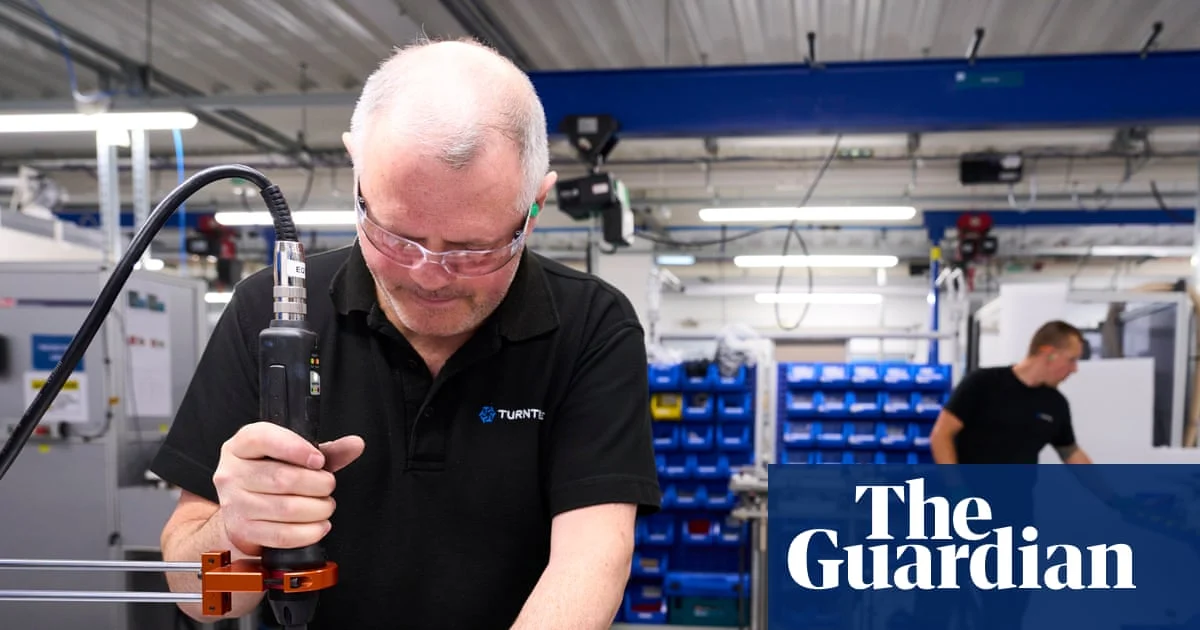
Workers in Gateshead produce specialized electric motors, demonstrating the region’s push to adapt to changing industry demands. This effort forms part of a broader strategy to revive the area’s manufacturing sector after decades of political and economic shifts.
KEY FACTS
- Nissan’s Sunderland plant is currently operating at 50% capacity
- The factory is seeking a deal with China’s Chery automaker
- Workers in Gateshead produce specialized “pancake motors” for electric vehicles
- The north-east automotive industry has faced disruptions from Thatcher-era policies through Brexit
- Andy Burnham’s reindustrialisation strategy represents the latest political initiative affecting the sector
Why is this plant so crucial?
The Nissan Sunderland plant has long been considered a cornerstone of north-east England’s manufacturing economy. As one of the region’s largest employers, its struggles directly impact thousands of workers and the broader supply chain. The facility’s reduced output at 50% capacity reflects ongoing challenges in adapting to post-Brexit trade realities.
What are the technological adaptations?
The development of compact “pancake motors” at nearby Gateshead facilities showcases how regional manufacturers are pivoting toward electric vehicle components. These specialized motors offer higher torque than conventional versions, making them suitable for performance vehicles and heavy equipment – potentially opening new market opportunities.
WHAT WE KNOW — AND WHAT WE DON’T
Verified by the source:
- Nissan’s Sunderland plant operates at half capacity
- Potential partnership discussions with China’s Chery are underway
- Workers produce specialized electric motors in Gateshead
- The region’s automotive sector has faced multiple political disruptions
Still unconfirmed:
- Specific terms of any potential deal with Chery
- Timeline for returning to full production capacity
- Detailed impact of Brexit on specific operations
- Exact employment figures at the Sunderland facility
WHY IT MATTERS
The Sunderland plant’s performance serves as a bellwether for post-Brexit British manufacturing, particularly in regions that voted strongly for leaving the EU. Its ability to adapt could determine whether similar facilities can survive in the new trade environment, making its strategies relevant to policymakers and industry leaders nationwide.
WHAT TO WATCH
The outcome of Nissan’s negotiations with Chinese automaker Chery will provide critical insight into international investors’ confidence in UK manufacturing post-Brexit. Additionally, the adoption rate of specialized components like the Gateshead-produced motors may indicate whether technological innovation can offset trade disadvantages.