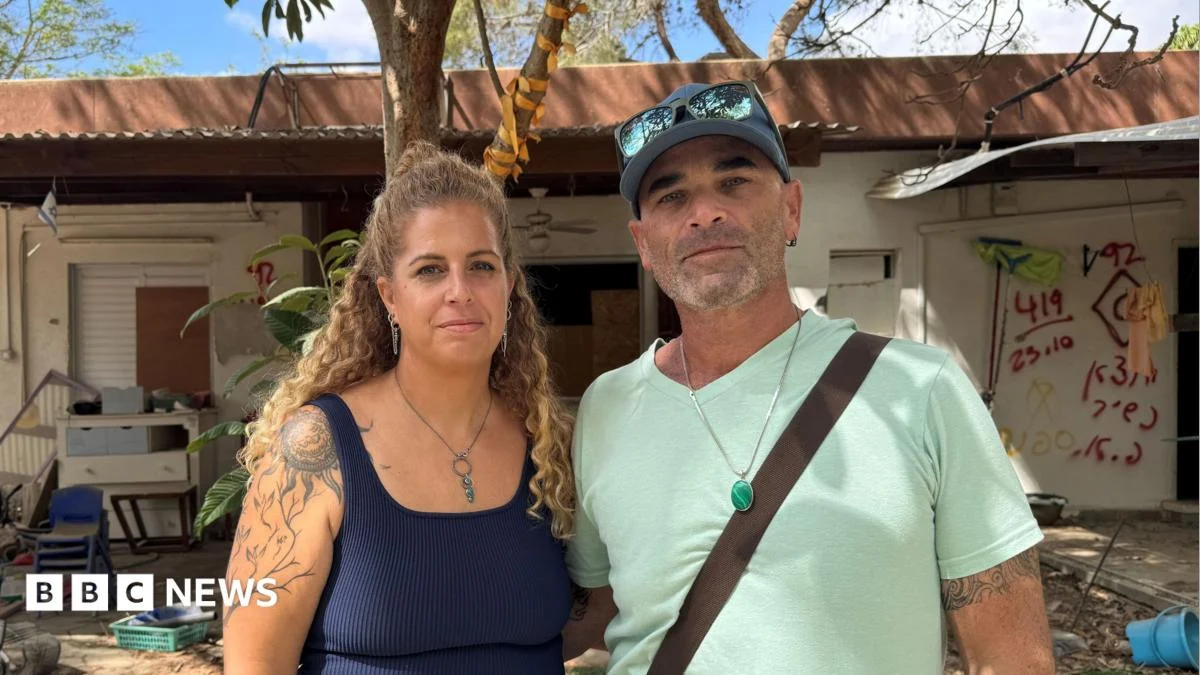
Three years after the Oct 7 Hamas attack on the kibbutz of Nir Oz, some residents have returned to live there, grappling with how to rebuild their community.
The attack, which left 47 people dead and 76 others taken hostage, dealt a devastating blow to the close-knit kibbutz. While a number of survivors have made the decision to return, many others remain displaced or have chosen to relocate permanently. The process of rebuilding is complicated by trauma, security concerns, and the absence of loved ones.
KEY FACTS
- Date: The Oct 7 Hamas attack occurred three years ago.
- Location: The attack targeted the kibbutz of Nir Oz.
- Casualties: 47 people were killed during the Oct 7 Hamas attack.
- Hostages: 76 people were taken hostage in the Oct 7 Hamas attack.
- Rebuilding: Some survivors have returned to Nir Oz as they grapple with how to rebuild.
The Story
What happens next?
The future of Nir Oz remains unclear. While some survivors have returned, the broader community faces difficult decisions about whether to restore the kibbutz as it once was or to forge a new path forward. Infrastructure damage, security concerns, and emotional trauma all pose challenges to rebuilding efforts. At the same time, families continue to seek answers and accountability related to the Oct 7 Hamas attack, including the fate of those still unaccounted for or held captive. The Israeli government has pledged support for affected communities, but implementation details are still evolving. International attention and aid may play a role in shaping recovery plans, though long-term sustainability depends on both local resolve and broader regional stability.
Who is affected?
The impact of the Oct 7 Hamas attack extends far beyond the physical destruction of Nir Oz. Family members of the 47 killed and 76 taken hostage are navigating grief, loss, and uncertainty. Survivors who have returned face daily reminders of the violence, while others live elsewhere, unable or unwilling to go back. The broader population of Nir Oz—both current and former residents—must weigh personal healing against communal responsibility. Children and younger generations, many of whom lost parents or friends in the attack, are also confronting questions about identity, safety, and belonging. Mental health support has become a critical need, though access remains limited. The trauma from the Oct 7 Hamas attack continues to reverberate through every aspect of survivors’ lives, influencing decisions about their futures and the future of their homeland.
How did we get here?
Nir Oz was established decades ago as a collective community, deeply rooted in agriculture and shared values. Life in the kibbutz revolved around mutual support and communal living, fostering strong bonds among residents. The Oct 7 Hamas attack shattered that way of life in an instant. The assault, part of a larger wave of violence, targeted several communities along the border, leaving scars that extend well beyond physical ruins. In the aftermath, survivors were evacuated, families were separated, and the world watched as the gravity of the Oct 7 Hamas attack became clear. Now, nearly three years later, the question is not just how to rebuild homes, but how to rebuild trust—in each other, in leadership, and in the possibility of peace. The road to recovery is long, and progress is measured not only in concrete and steel, but in the emotional resilience of those who endured unimaginable loss.
What We Know — and What We Don’t
Verified by the source:
- The Oct 7 Hamas attack on Nir Oz resulted in 47 deaths.
- The Oct 7 Hamas attack led to 76 hostages being taken from Nir Oz.
- Some survivors have returned to live in Nir Oz three years later.
- The community is actively discussing and attempting to rebuild.
Still unconfirmed:
- The total population of Nir Oz before and after the Oct 7 Hamas attack.
- The number of hostages still unaccounted for or in captivity.
- The specific plans or funding allocated for rebuilding efforts.
- Whether all survivors have access to adequate mental health support.
Why It Matters
The ongoing struggle of Nir Oz residents reflects a larger national reckoning over loss, resilience, and recovery. The Oct 7 Hamas attack was not only a moment of violence but a turning point that continues to influence Israeli society, policy, and identity. How communities like Nir Oz choose to rebuild—and whether they do so together—will offer insight into the long road ahead for the region. The human cost of the attack is immeasurable, yet the determination to restore normalcy underscores a deep commitment to continuity. Support for [war & geopolitics](https://www.sourcerated.com/category/war-geopolitics/) and [economy & markets](https://www.sourcerated.com/category/economy-markets/) remains vital as the full scope of recovery unfolds.
What to Watch
As the third anniversary of the Oct 7 Hamas attack passes, attention will turn to whether returning residents receive sustained support and whether reconstruction efforts gain momentum. Any developments regarding hostages or new peace initiatives could significantly impact the trajectory of recovery in Nir Oz and beyond.