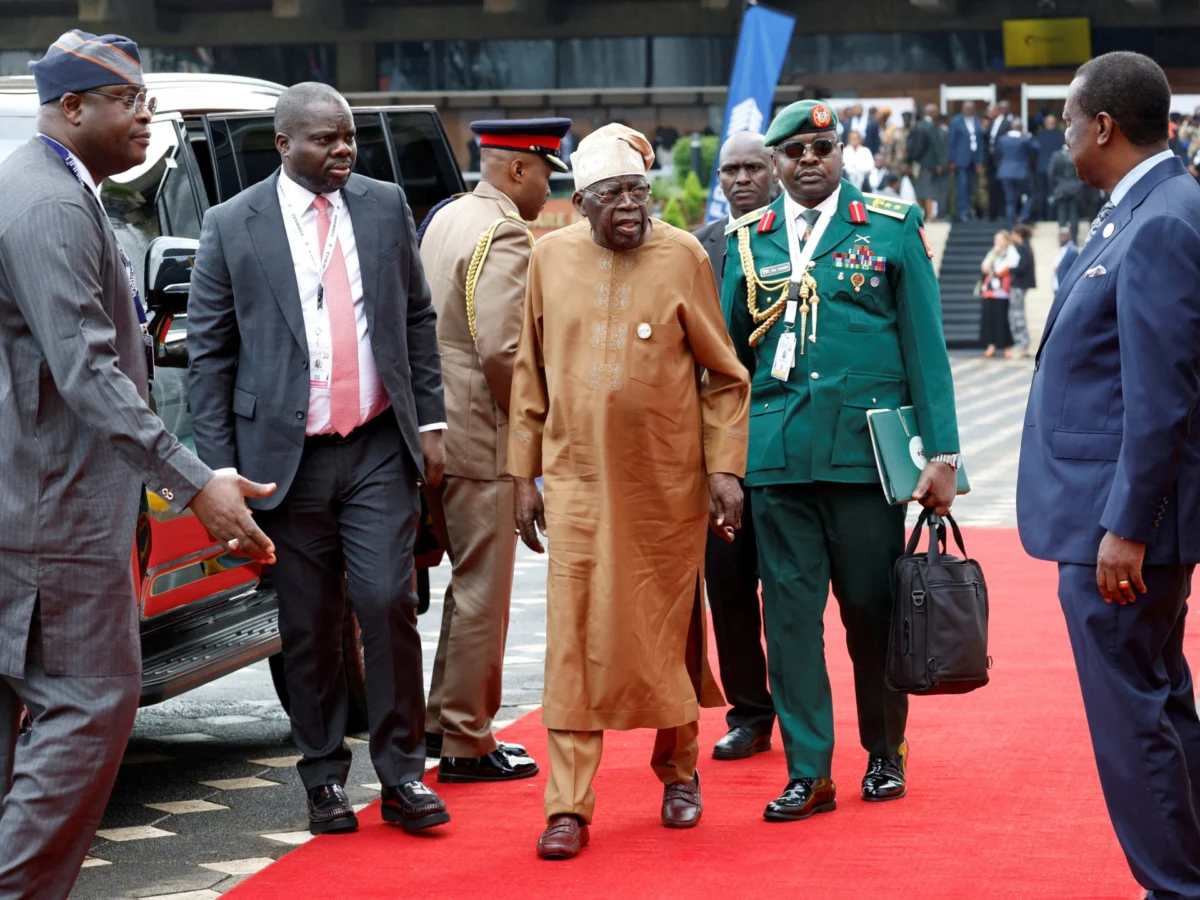
Nigeria’s election campaign has begun with President Bola Tinubu facing a critical test of his reforms amid rising public anger over costs. The political landscape is further complicated by divisions within the opposition, which could influence the direction of the race.
KEY FACTS
- Nigeria’s election campaign has officially started.
- President Bola Tinubu is facing public dissatisfaction over rising costs.
- Opposition divisions may play a significant role in shaping the election.
WHAT ARE THE KEY ISSUES?
The campaign begins under the shadow of economic challenges, with rising costs fueling public discontent. Tinubu’s administration is under scrutiny for its handling of reforms aimed at addressing these issues. The opposition, however, appears fragmented, which could impact their ability to mount a unified challenge.
HOW DID WE GET HERE?
Tinubu’s presidency has been marked by efforts to implement economic reforms, but these have coincided with increasing living costs, leading to widespread frustration. The opposition, traditionally a counterbalance, is currently weakened by internal divisions, potentially giving Tinubu’s party an advantage.
WHAT WE KNOW — AND WHAT WE DON’T
Verified by the source:
- The election campaign in Nigeria has commenced.
- Rising costs are causing public anger.
- Opposition divisions may influence the election outcome.
Still unconfirmed:
- Specific details about the opposition’s strategies or unity efforts.
- Public opinion polls or voter sentiment beyond general dissatisfaction.
- The exact impact of economic reforms on the election.
WHY IT MATTERS
Nigeria’s election is a pivotal moment for Africa’s most populous nation, with implications for its economic stability and democratic trajectory. The outcome could signal public approval or rejection of Tinubu’s reform agenda.
WHAT TO WATCH
The campaign’s progress and any shifts in opposition unity will be critical indicators of the election’s direction. Public response to Tinubu’s reforms will also be a key factor.