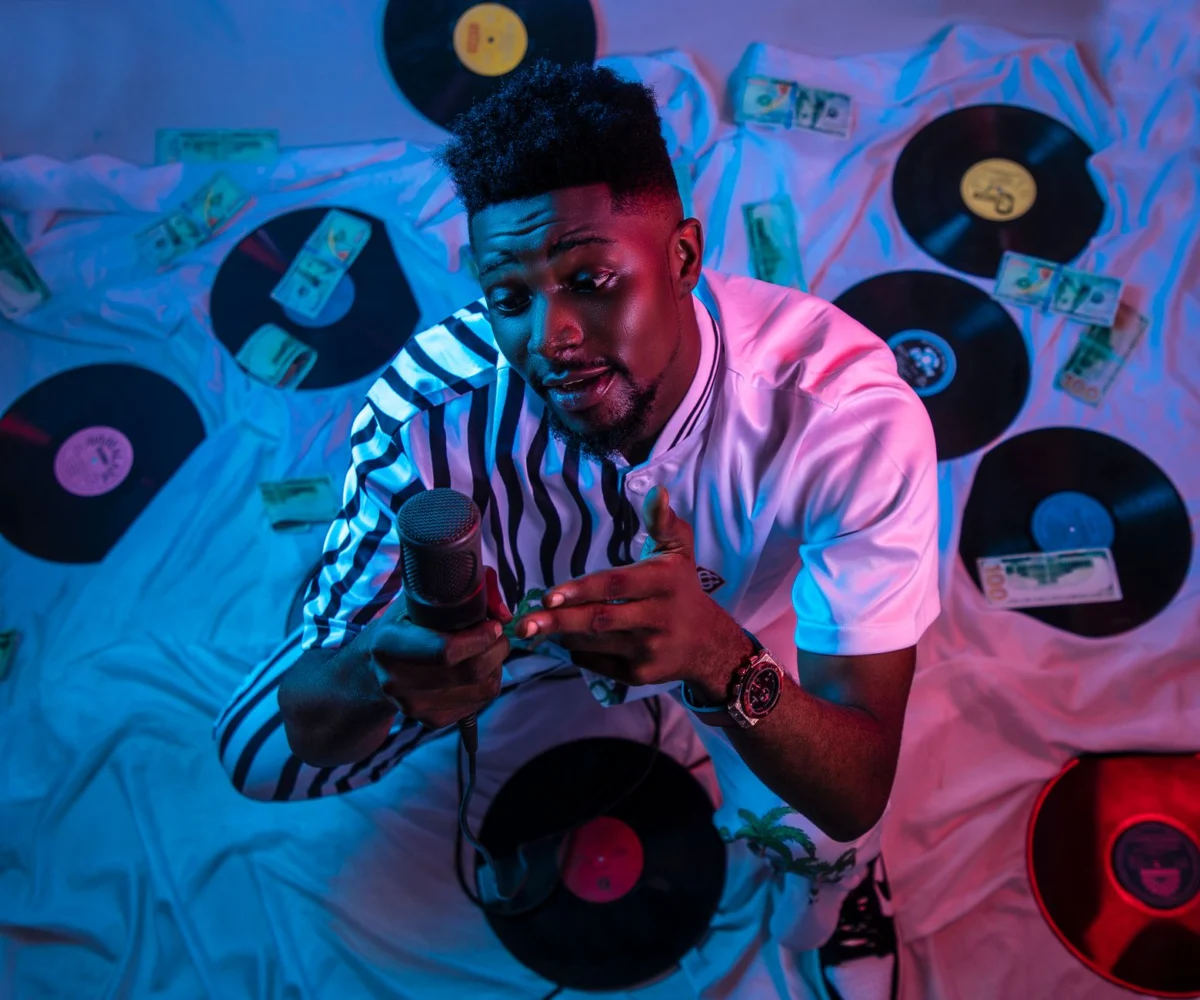
At a packed Lagos co‑working space, 27‑year‑old video editor Adaeze Umeh livestreamed to 12,000 followers while juggling a brand deal and a freelance gig – a daily reality for many of Nigeria’s 250,000 active content creators, according to a new Punch Newspapers report.
That figure, released yesterday, marks the first official count of creators who earn money from platforms like YouTube, TikTok, Instagram, and local streaming services.
What the numbers really mean
The report breaks the community into three tiers: 65,000 creators earning under ₦50,000 a month, 140,000 pulling ₦50,000‑₦300,000, and 45,000 who exceed ₦300,000. Collectively, they generate an estimated ₦120 billion (≈ $300 million) in annual digital revenue.
For a country whose GDP growth slowed to 2.9% in Q1 2026, that influx of digital spend offers a surprising buffer against recession fears.
Why does this matter?
Young Nigerians face a chronic unemployment rate of roughly 33%. The creator economy now provides a measurable pathway to income, skill development, and even formal job creation through agencies, production houses, and fintech platforms that serve creators.
“When a creator secures a brand partnership, the ripple effect hires a video editor, a thumbnail designer, and a payment processor,” the report notes, highlighting how digital gigs can seed traditional employment.
Investment firms have taken note. Venture capital flowing into African creator‑tech startups rose 42% year‑on‑year, according to data from economy and markets analysts.
Challenges lurking behind the hype
Monetisation is still uneven. Over half of creators rely on platform ad‑shares, which can fluctuate with algorithm changes. Moreover, only 12% of creators have formal contracts with brands, leaving many vulnerable to payment delays.
Internet infrastructure remains a bottleneck. While 5G rollout expands in Lagos and Abuja, rural connectivity lags, limiting the geographic spread of the creator boom.
What happens next?
Policy makers are drafting a digital‑content tax framework that could formalise earnings and protect creators, yet critics warn it may stifle growth if not calibrated carefully.
The next quarter will reveal whether the Nigeria creator boom sustains its momentum or stalls under regulatory pressure.
For now, the sheer scale—250,000 creators turning phones into studios—signals a cultural shift that could reshape Nigeria’s economic landscape.