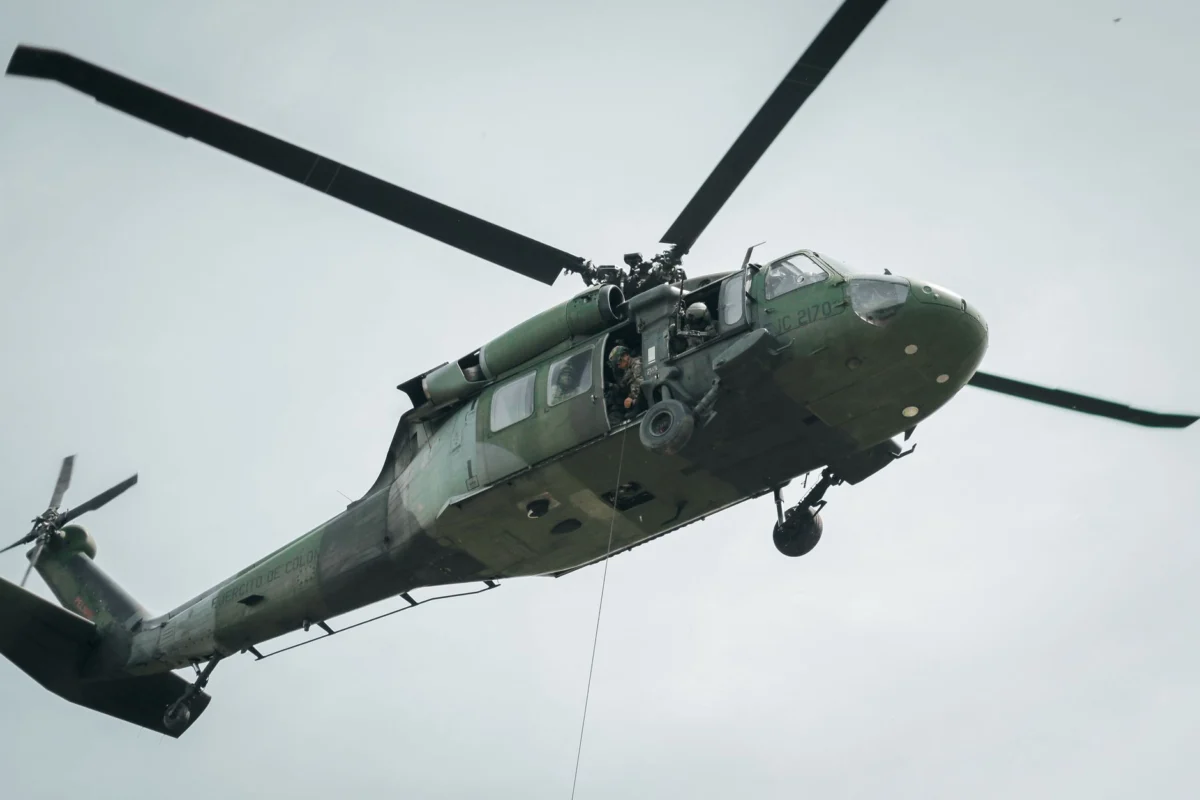
Troops rescue wife of the late General Abubakar after a three‑hour firefight in the remote village of Gombe‑Kwanja.
At 02:15 local time, the thrum of military helicopters broke the pre‑dawn silence over the grassy plain bordering Borno State. Soldiers poured into the compound where Mrs. Aisha Abubakar, 42, had been held for three days by an armed militia.
“They arrived with gunfire and lights, and I thought I was about to die,” she told a reporter after being escorted to a field hospital.
What happened on the ground?
According to the Peoples Gazette, the militia seized the house on Thursday night, demanding a ransom of 2.5 million naira and threatening to kill the widow unless their demands were met. The militia numbered roughly 30 fighters, armed with AK‑47s and improvised explosive devices.
The rescue team, composed of 120 soldiers from the 7th Battalion, launched a coordinated assault after a local informant tipped off the army. Within 45 minutes, they secured the perimeter, breached the main gate, and cleared the building room by room.
Four militants were killed, eight captured, and two wounded. No soldiers were injured in the operation.
Why does this matter?
This operation signals a shift in how the Nigerian military confronts insurgent groups that have exploited the power vacuum left by the death of senior officers like General Abubakar, who was killed in a separate ambush last month.
For ordinary Nigerians, the incident underscores the fragile security situation in the northeast, where over 2 million people remain displaced and humanitarian aid struggles to reach remote communities.
“If the army can rescue a high‑profile widow, it shows a growing capacity to protect civilians,” said a security analyst for a local think‑tank, speaking on condition of anonymity.
Local traders, who depend on safe passage for market goods, hope the strike will deter future kidnappings. The incident also raises questions about the government’s commitment to protecting families of fallen commanders, a promise often made in speeches but rarely fulfilled.
What happens next?
The rescued widow will be placed under police protection while investigators catalog the weapons seized. Military officials say they will pursue the remaining militia cells in the surrounding districts, targeting the network that supplied the fighters.
International donors have pledged an additional $12 million to bolster the Nigerian army’s counter‑insurgency equipment, but critics warn that without systemic reforms, tactical victories may not translate into lasting peace.
Follow-up reporting will track the legal outcomes for the captured militants and monitor how the rescue influences broader security strategies in the region.