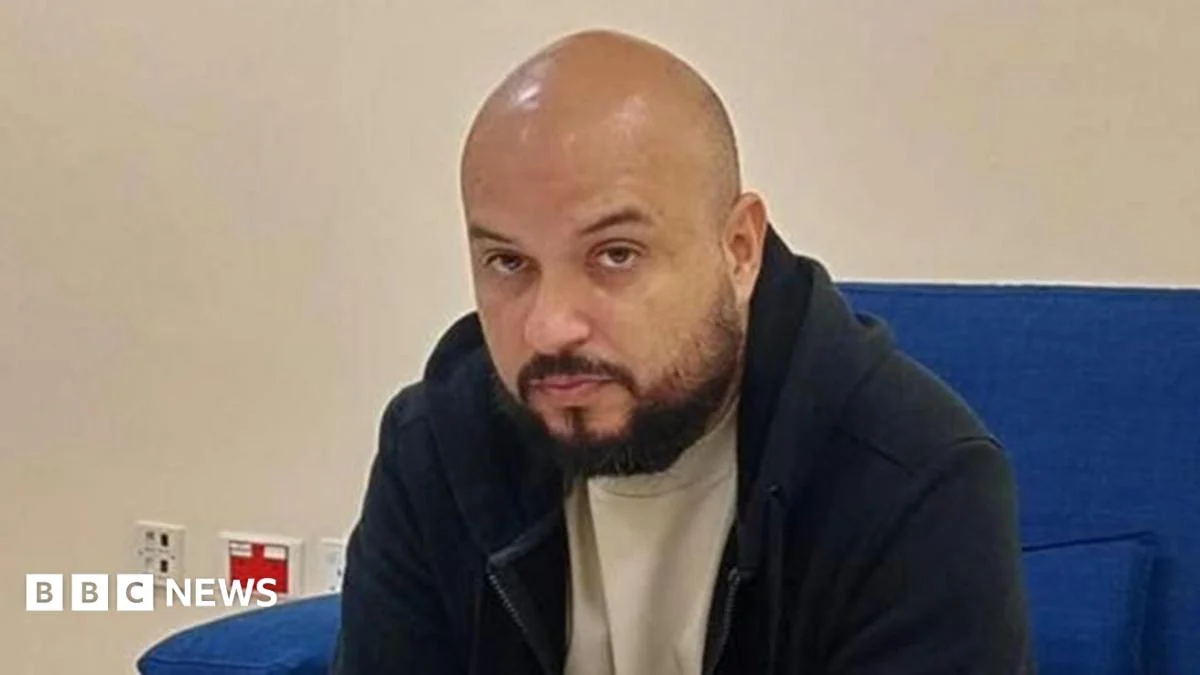
Nigerian authorities arrested an alleged Mexican drug kingpin at an international airport, where he denied involvement in meth production. The suspect, identified as Arturo Carrera Loaiza, was detained during what officials described as a joint operation targeting international drug trafficking. He has not been publicly charged, and no trial date has been announced.
The arrest underscores growing concerns about cross-border drug smuggling networks linking Latin America and West Africa. Nigerian security forces have increasingly reported seizures tied to foreign organized crime syndicates, particularly involving routes used to move narcotics toward European and Middle Eastern markets. Investigators say such cases highlight how criminal groups exploit weak border controls and corruption to establish trafficking corridors through Nigeria.
Key Facts
- Arturo Carrera Loaiza was arrested at an international airport in Nigeria.
- He is alleged to be a Mexican drug kingpin.
- He denies involvement in meth production.
- No formal charges or court proceedings have been disclosed by Nigerian authorities.
Who Is Affected?
The detention affects not only the individual named but also broader diplomatic and law enforcement efforts between Nigeria and international partners. Mexican drug cartels have long operated transnational smuggling networks, while Nigeria’s role as a regional hub makes it a key point in westward drug routes. For ordinary citizens, heightened anti-trafficking activity could mean stricter surveillance at airports and ports—but may also raise fears of increased violence if cartels retaliate against perceived threats to their operations. Meanwhile, neighboring countries watch closely as Nigeria strengthens ties with foreign agencies to combat organized crime.
What Happens Next?
Moving forward, legal proceedings—if any—are expected to unfold behind closed doors unless further details emerge. Nigerian prosecutors will weigh evidence presented by investigators before deciding whether to file formal charges. International cooperation agencies might step in to provide intelligence or witness protection depending on the sensitivity of the case. Observers note that similar detentions in the past have sometimes led to extradition requests or plea deals involving reduced sentences in exchange for cooperation. Until then, the detainee remains in custody without confirmed access to legal representation or family visits. Authorities have yet to confirm which agency led the arrests or whether additional suspects were taken into custody alongside him.
What We Know — and What We Don’t
Verified by the source:
- Arturo Carrera Loaiza was arrested at a Nigerian international airport.
- He is accused of being part of a drug trafficking network based in Mexico.
- He has publicly denied any involvement in manufacturing methamphetamine.
Still unconfirmed:
- The exact date, time, and location within Nigeria of the arrest.
- The name or ranks of arresting officers or participating agencies.
- Evidence details supporting the allegations against him.
- Whether formal charges have been filed or court dates set.
Nigeria has ramped up efforts to dismantle global drug cartels operating on its soil, often working alongside INTERPOL and U.S. Drug Enforcement Administration liaisons stationed locally. These raids signal a shift toward proactive interdiction rather than reactive investigation. However, critics argue that without transparent prosecution processes, many high-profile arrests fail to result in meaningful convictions. As one anonymous official put it: “We catch them, but the system fails to keep them.”
Why It Matters
This arrest reflects rising efforts by West African nations to clamp down on international drug syndicates using their borders as conduits for illicit trade. It also shows how globalization enables criminal enterprises to span continents—from Latin American production labs to African transit zones en route to Europe and beyond. For readers tracking geopolitical stability or economic security, these developments underscore risks posed by transnational organized crime to governance, public health, and regional stability. They also raise questions about accountability when powerful actors escape justice despite arrests making headlines. Understanding this dynamic helps clarify why some nations invest heavily in joint task forces—and why others lag behind.
What to Watch
Court records and press releases from Nigerian law enforcement are unlikely to appear soon given standard protocol around ongoing investigations. Analysts expect potential delays due to resource constraints or political interference. If new indictments surface or if other names linked to the supposed cartel get picked up in related operations, that would confirm wider network penetration. Should Arturo Carrera Loaiza appear in court wearing handcuffs or request consular assistance from Mexico, it could indicate escalation. Meanwhile, continued silence from both governments keeps the public in limbo—and fuels speculation over what really happened.