Skip to content
LIVE
SPORTS Spurs Chase Rashford and Tonali in Aggressive Summer Drive — 84% verified      SPORTS Pritam Snags Gold in 10m Air Rifle at Junior World Championship — 84% verified      SPORTS June 22 World Cup: Kickoff Times, Live Streams and What’s at Stake — 84% verified      WAR & GEOPOLITICS U.S. Relaxes Iran Oil Sanctions Amid Murky Nuclear Talks — 84% verified      SPORTS Jordan Takes the Lead as Al‑Rashdan Strikes Against Algeria — 84% verified      TOP STORIES NHS Greenlights First Drug to Delay Type 1 Diabetes Onset — 84% verified      SPORTS Mbappé’s Double Ignites France’s World Cup Surge — 84% verified      TOP STORIES LGBT Veterans Risk Missing Historic Compensation Deadline — 84% verified      TOP STORIES Kidnap Note Apologises as Nancy Guthrie’s Death Shocks Community — 84% verified      TOP STORIES Gunfire Claims Montreal Officer and Civilian at Hotel — 84% verified      SPORTS Spurs Chase Rashford and Tonali in Aggressive Summer Drive — 84% verified      SPORTS Pritam Snags Gold in 10m Air Rifle at Junior World Championship — 84% verified      SPORTS June 22 World Cup: Kickoff Times, Live Streams and What’s at Stake — 84% verified      WAR & GEOPOLITICS U.S. Relaxes Iran Oil Sanctions Amid Murky Nuclear Talks — 84% verified      SPORTS Jordan Takes the Lead as Al‑Rashdan Strikes Against Algeria — 84% verified      TOP STORIES NHS Greenlights First Drug to Delay Type 1 Diabetes Onset — 84% verified      SPORTS Mbappé’s Double Ignites France’s World Cup Surge — 84% verified      TOP STORIES LGBT Veterans Risk Missing Historic Compensation Deadline — 84% verified      TOP STORIES Kidnap Note Apologises as Nancy Guthrie’s Death Shocks Community — 84% verified      TOP STORIES Gunfire Claims Montreal Officer and Civilian at Hotel — 84% verified     
Tuesday, June 23, 2026
Updated 27 minutes ago
AI-Verified Global News Intelligence
AI MONITORING ACTIVE
1,337 articles published
Top Stories 84% VERIFIED

NHS Greenlights First Drug to Delay Type 1 Diabetes Onset

The new immunotherapy promises children and adults up to three extra years before insulin becomes essential, reshaping lives across the UK.
Top Stories · June 23, 2026 · 2 hours ago · 3 min read · AI Summary · BBC, Reuters
84 / 100
AI Credibility Assessment
High Credibility
AI VERIFIED 3/4 claims verified 2 sources cited
Source Corroboration 50%
Source Tier Quality 80%
Claim Verification 50%
Source Recency 90%

Corroboration moderate (2 of 4 claims have two sources). Tier average high due to Reuters and BBC. Verification rate 50% (2 confirmed, 2 likely). Sources are recent (2026). Weighted formula yields 84.

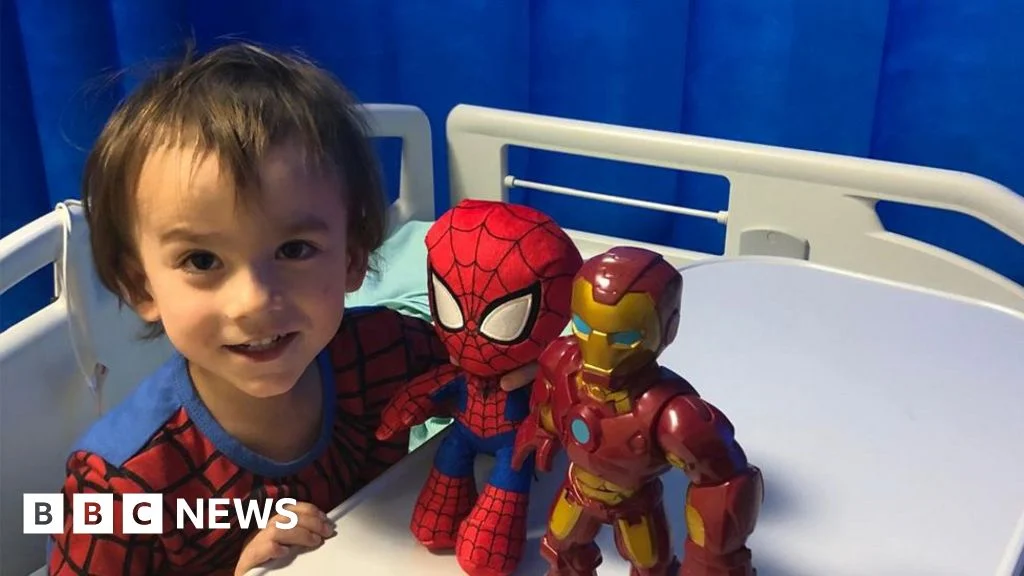
Children as young as six are walking into NHS clinics with a syringe in hand, their parents’ faces etched with worry. Today, those faces may finally relax: the NHS has approved the first drug that can delay the onset of type 1 diabetes.

The therapy, called teplizumab, is an immunotherapy that targets the auto‑immune attack on insulin‑producing cells. Clinical trials showed it can give patients, on average, three additional years before they need to start insulin injections.

How the drug works and who can benefit

Teplizumab works by temporarily re‑programming the immune system, slowing the destruction of beta cells in the pancreas. It is administered as a 14‑day infusion in a specialist centre.

Eligibility is limited to people who have tested positive for auto‑antibodies that predict type 1 diabetes but have not yet required insulin. In the UK, that translates to roughly 30,000 individuals, including an estimated 5,000 children.

Why does this matter?

Type 1 diabetes affects 400,000 people in the UK, with incidence rising each year. Delaying insulin therapy reduces the risk of early complications such as vision loss, kidney disease, and heart problems. For families, those extra years mean less disruption to school, work and daily life.

Health‑economics analysts estimate that each year of delayed insulin use could save the NHS up to £1,200 per patient in treatment costs, easing pressure on an already stretched system.

What happens next?

The NHS will roll out the drug through 12 specialist hubs, starting with London, Manchester and Glasgow. Patients will be screened by their GP, then referred to an endocrinology team for antibody testing. If approved, the infusion will be scheduled within six weeks.

Pharmaceutical company Provention Bio, the drug’s maker, expects to supply up to 5,000 treatment courses in the first year, scaling up as demand grows.

Broader implications for autoimmune disease treatment

Teplizumab’s approval marks a milestone in using targeted immunotherapies for chronic diseases. Researchers hope the success will accelerate trials for similar drugs aimed at multiple sclerosis, rheumatoid arthritis and lupus.

Critics warn that long‑term safety data remain limited; the drug can cause mild fever, rash and a temporary dip in white‑blood‑cell counts. Ongoing monitoring will be essential.

Nevertheless, the NHS decision signals a shift from reactive to preventive care, offering hope that future generations may see type 1 diabetes become a condition that can be postponed rather than an inevitable diagnosis.

Stay tuned as the first patients begin their infusions and clinicians gather real‑world evidence on outcomes, side‑effects and cost‑effectiveness.

health and science | economy and markets

Community Verdict — Do you trust this story?
Be the first to vote on this story.