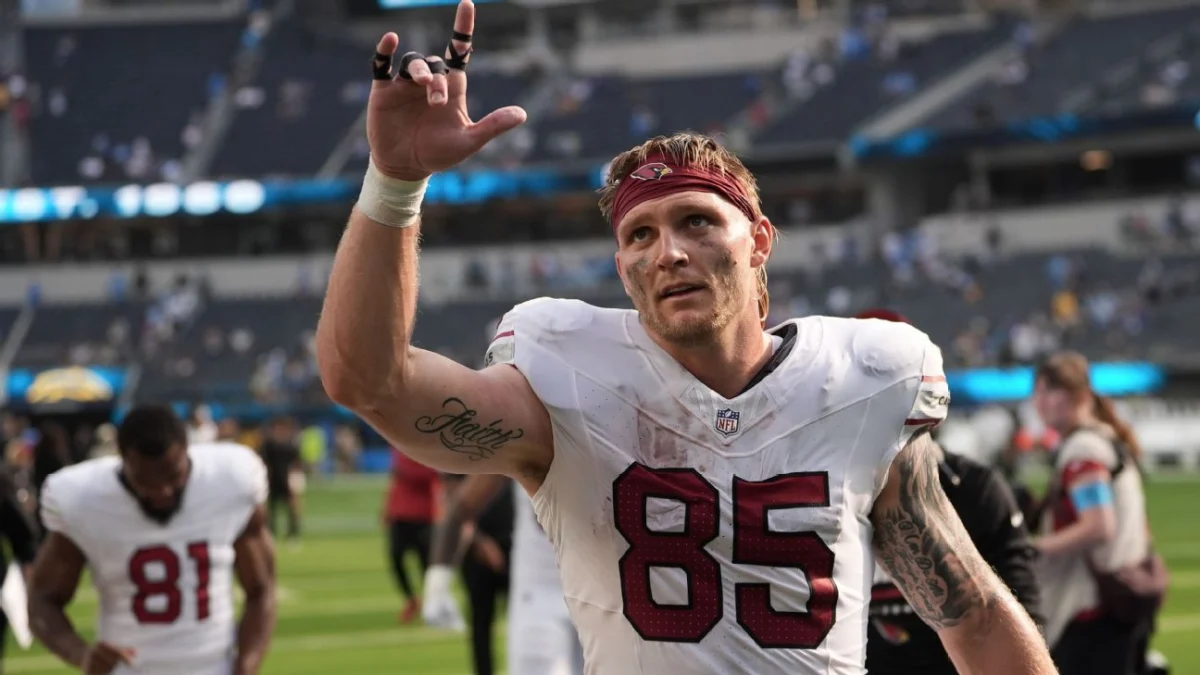
The NFL suspended two game officials for inappropriate conduct toward players. Line judge Jeff Seeman received a two-game suspension for appearing to swear at Arizona Cardinals tight end Trey McBride. Referee Adrian Hill was suspended one game for a separate incident during the Minnesota Vikings’ victory over the Miami Dolphins.
The league announced the discipline as part of its ongoing effort to maintain officiating standards. Both suspensions reflect the NFL’s zero-tolerance policy toward behavior deemed unprofessional or detrimental to game integrity.
KEY FACTS
- NFL suspends officials: Two officials disciplined for conduct toward players
- Jeff Seeman: Suspended two games for swearing at Cardinals’ Trey McBride
- Adrian Hill: Suspended one game for incident in Vikings-Dolphins game
Who Is Affected By These Suspensions?
The immediate impact falls on the officials themselves, who lose income and face temporary removal from officiating duties. However, the broader effect extends across the NFL ecosystem. Teams and players must adjust to roster changes in officiating crews, potentially altering game dynamics and enforcement consistency. For fans, such suspensions highlight the league’s commitment to accountability, even among those responsible for enforcing rules. The NFL has increasingly emphasized transparency and professional conduct, particularly following seasons marked by high-profile officiating controversies. These suspensions signal that personal conduct violations, even if minor, carry real consequences. The league’s Competition Committee, which oversees officiating policies, has repeatedly stressed the importance of maintaining respect between players and officials. By publicly announcing these suspensions, the NFL reinforces that officials are held to the same behavioral standards as coaches and players. This approach aims to preserve the credibility of officiating and ensure games are decided by performance, not officiating errors or interpersonal conflicts.
What Happens Next After These Suspensions?
Following the suspensions, the NFL will likely evaluate whether additional training or policy adjustments are needed. The league regularly reviews officiating performance and conduct through its internal systems, including video review and feedback mechanisms. Officials who face discipline typically undergo remedial education before returning to duty. In some cases, extended suspensions can lead to mandatory psychological evaluations or repeated counseling sessions. The NFL Referees Association may also advocate for its members, though past suspensions suggest limited success in overturning league decisions. Moving forward, other officials will be reminded of expected conduct protocols. Games involving the affected crews may see reassignments or temporary crew adjustments. The public nature of these suspensions also serves as a deterrent, reminding all personnel that inappropriate interactions with players are subject to swift action. Whether further suspensions occur depends on continued incidents, though proactive measures may reduce recurrence. The league continues to balance accountability with consistency in applying discipline.
WHAT WE KNOW — AND WHAT WE DON’T
Verified by the source:
- The NFL suspended two officials for conduct toward players
- Line judge Jeff Seeman was suspended for two games
- Referee Adrian Hill was suspended for one game
- Seeman’s suspension related to an incident involving Trey McBride
- Hill’s suspension stemmed from the Vikings-Dolphins game
Still unconfirmed:
- Exact dates and timing of the incidents
- Specific details about what each official said or did
- Whether prior warnings or disciplinary history existed
- How the NFL plans to prevent future occurrences
- Reactions from the players, teams, or referees union
Why It Matters
Maintaining impartial and respectful officiating is critical to the NFL’s credibility. When officials engage in conduct that undermines professionalism, it erodes trust in game outcomes. Public suspensions reinforce that accountability applies across all roles in the sport. For leagues dependent on fan confidence and fair competition, transparent discipline helps preserve long-term legitimacy.
What to watch: The NFL may release additional details about future officiating policies or training changes. Observers will monitor whether similar incidents prompt further suspensions.