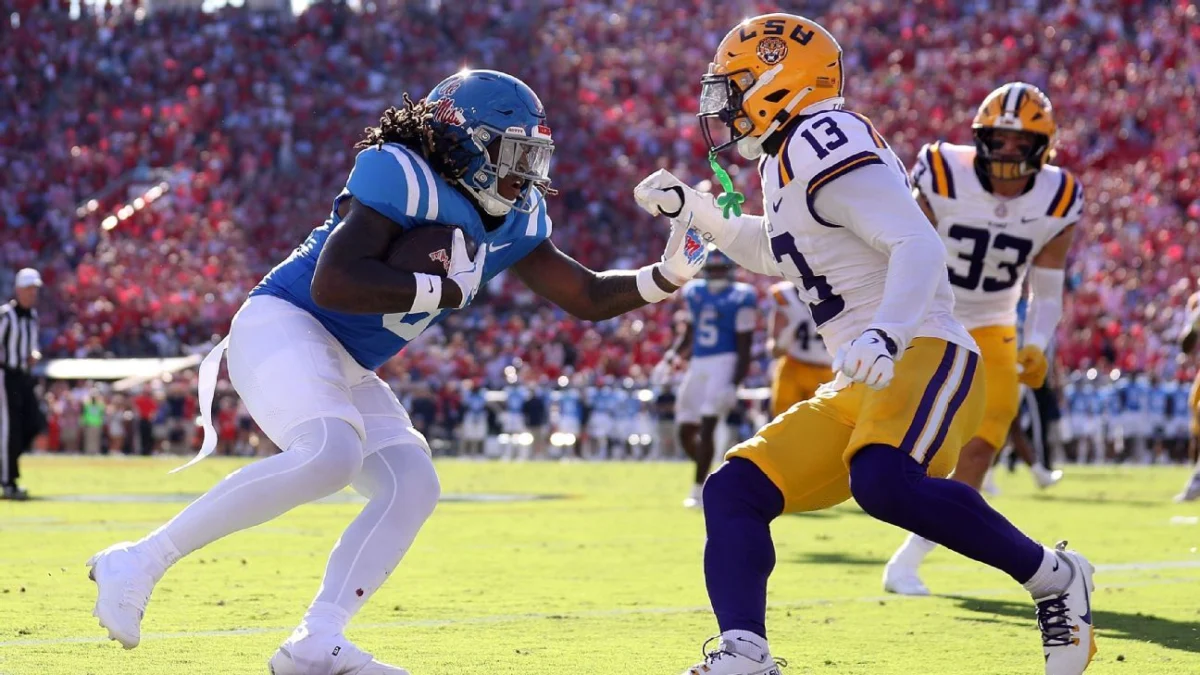
A group of athletes, including former Ole Miss starters Dae’Quan Wright, Zxavian Harris, and Wydett Williams, have been granted a temporary restraining order. This order allows them to return to college for an additional season. All three former Ole Miss players had previously signed with NFL teams this summer, and the order paves the way for their potential return to collegiate play. This development impacts multiple NFL signees who now have the opportunity for a fifth year eligibility.
The temporary restraining order was granted on Wednesday, making it possible for these athletes to consider another season in college. This action directly affects their immediate career paths, offering a potential diversion from their NFL commitments. The granting of a fifth year eligibility is a significant event for these individuals, altering their professional timelines.
Key Facts
- Multiple NFL signees were granted a fifth year eligibility.
- Former Ole Miss starters Dae’Quan Wright, Zxavian Harris, and Wydett Williams are among these athletes.
- These players signed with NFL teams this summer.
- A temporary restraining order was granted Wednesday for their return to college.
What Does This Mean for Athletes?
The granting of a temporary restraining order allowing a fifth year eligibility provides a unique opportunity for the affected athletes. Typically, signing with an NFL team signals the end of a college career. However, this legal action temporarily reopens the door for these players to potentially continue their amateur careers for one more season. For Dae’Quan Wright, Zxavian Harris, and Wydett Williams, who were all starters for Ole Miss, this means a potential return to their former team and a chance to further develop their skills at the collegiate level. The decision impacts their professional trajectories by offering an unexpected extension to their college tenure before embarking on their NFL careers.
Who Are the Affected Players?
Among the group of athletes affected by the temporary restraining order are three prominent former Ole Miss starters: Dae’Quan Wright, Zxavian Harris, and Wydett Williams. These individuals were key players for their college team, and their recent signings with NFL teams marked a transition to professional sports. The restraining order now offers them the option to defer their professional debuts and return to college for an additional year. Their inclusion in this group highlights the significant impact of the ruling on athletes who had already secured professional contracts, creating an unusual circumstance where professional and amateur careers intersect.
What We Know — and What We Don’t
- Verified by the source:
- Multiple NFL signees received a temporary restraining order.
- This order allows them to return to college for a fifth year eligibility.
- Former Ole Miss starters Dae’Quan Wright, Zxavian Harris, and Wydett Williams are part of this group.
- These players had signed with NFL teams this summer.
- The restraining order was granted on Wednesday.
- Still unconfirmed:
- The specific NFL teams the players signed with.
- The total number of athletes included in the group granted the order.
- The exact reasons or legal arguments behind the temporary restraining order.
- Whether the players will ultimately choose to exercise their fifth year eligibility.
- The duration or terms of the temporary restraining order beyond allowing one more season.
Why It Matters
This development is significant as it introduces an unprecedented scenario where athletes who have already committed to professional NFL careers may have the option to return to college. It raises questions about player eligibility rules, contractual obligations, and the pathways for athletes transitioning from collegiate to professional sports. The ruling could set a precedent for future cases involving player eligibility and the timing of professional contracts.
What To Watch
Future developments will likely center on whether the affected athletes choose to utilize their fifth year eligibility and how this decision impacts their NFL contracts.