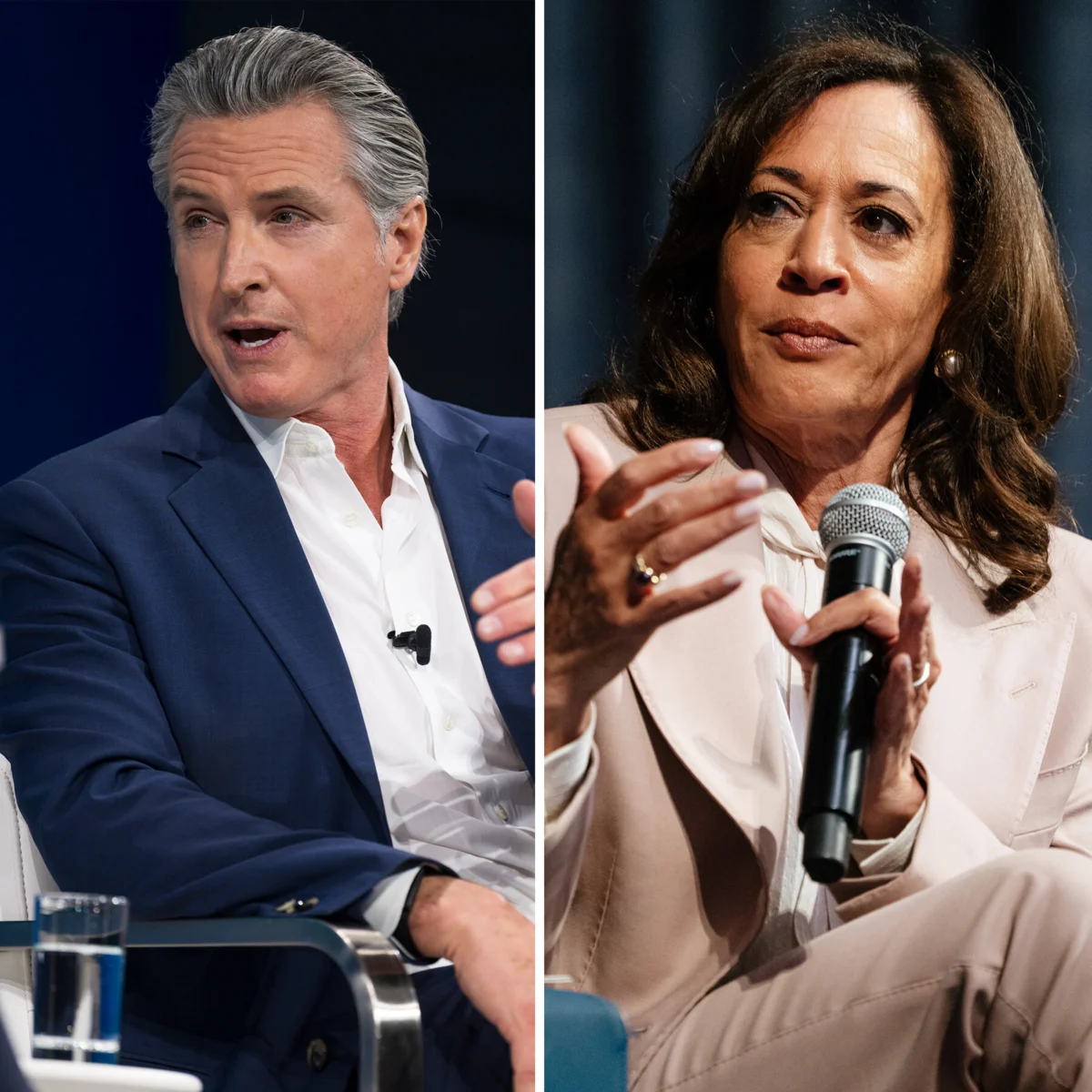
In a statement to CNN, California Governor Gavin Newsom said he will not enter the 2028 presidential race if Vice President Kamala Harris runs for president. The reported comments appeared to contradict assumptions about Newsom’s long-term political ambitions, given his repeated national visibility and fundraising activities in recent years.
Newsom, a leading figure in the Democratic Party and a frequent presence on national television, has not officially declared a 2028 candidacy. His conditional stance, as reported, introduces a new dynamic into early speculation about the next presidential cycle, especially as Harris remains a prominent figure within the administration and party circles.
Key Facts
- Newsom told CNN he won’t run for president in 2028 if Kamala Harris does.
- His comments appear to conflict with his perceived presidential ambitions.
- No official announcement has been made about 2028 candidacies.
What This Means for the 2028 Presidential Race
Should Vice President Kamala Harris choose to run for president in 2028, the reported statement from California’s governor suggests one less high-profile Democrat would enter the race. Newsom has built a national profile through aggressive media appearances, policy advocacy, and fundraising for Democratic candidates, all activities often associated with future presidential contenders. His conditional withdrawal, if sincere, could narrow the field and shift momentum toward Harris or other potential candidates.
Political analysts often track such signals closely, as they help shape donor decisions, media coverage, and grassroots enthusiasm. A crowded Democratic primary in 2028 has been anticipated, but Newsom’s reported stance adds uncertainty to that expectation. His decision, like any other potential candidate, would depend on evolving political conditions, candidate availability, and broader party dynamics heading into the next electoral cycle.
Who Is Affected by This Development
Democratic Party insiders, potential 2028 candidates, and political donors are among those likely watching these developments. Newsom’s reported conditional exit could influence fundraising strategies, endorsement calculations, and media narratives surrounding the race. For Harris, the comments may signal reduced internal competition, though her own intentions remain unclear.
Additionally, state-level officials and interest groups aligned with Newsom’s agenda may reassess their long-term planning should he step aside. The ripple effects of such statements extend beyond individual ambitions, shaping expectations and timelines across the political landscape as the 2028 presidential race continues to take shape.
What We Know — and What We Don’
Verified by the source:
- Governor Gavin Newsom reportedly told CNN he would not run for president in 2028 if Kamala Harris does.
- His comments, as summarized, contrasted with assumptions about his presidential ambitions.
- No official campaign announcement has been made regarding 2028.
Still unconfirmed:
- Whether Vice President Kamala Harris intends to run for president in 2028.
- Newsom’s actual tone or full context of his remarks to CNN.
- Any future timelines or commitments from either figure.
Why It Matters
The 2028 presidential race is already generating significant attention, with party leaders positioning themselves for a post-administration election cycle. Conditional statements like the one reportedly attributed to Newsom help define the contours of the race before formal campaigns begin, influencing strategy well ahead of primary voting. Politics coverage increasingly focuses on early signals and behind-the-scenes maneuvering as parties prepare for national contests.
What To Watch
Moving forward, observers will watch whether Harris publicly commits to a 2028 bid and how other Democratic figures respond to Newsom’s reported conditional exit. Official campaign announcements remain pending, but early positioning continues to play out in media appearances and fundraising efforts.
Newsom’s reported remarks highlight the fluid nature of the 2028 presidential race, where preliminary statements can shape expectations long before ballots are cast.