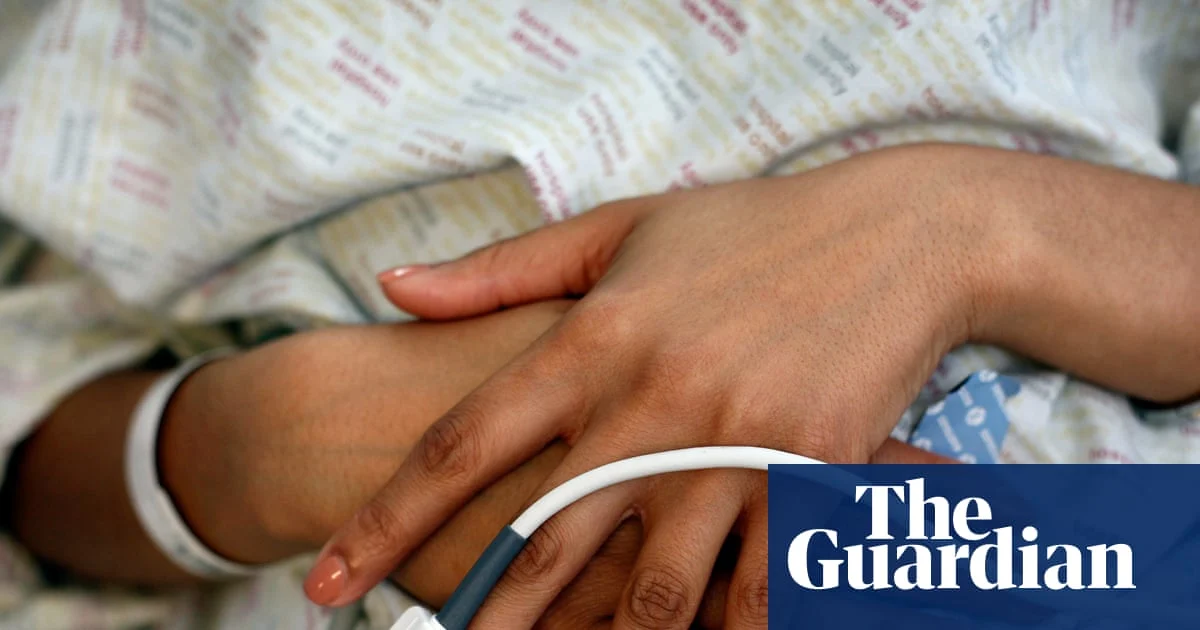
A new universal definition of a heart attack has been agreed upon by leading cardiovascular health groups, promising better care for women who have historically been deprioritized in treatment. This landmark change aims to address decades of overlooked causes and introduces sex-specific diagnostic thresholds to ensure more accurate diagnoses and equitable care.
The initiative, signed off by the world’s four leading cardiovascular health groups, represents one of the most significant procedural shake-ups in a generation. It seeks to standardize how healthcare professionals approach suspected heart attack cases, particularly benefiting millions of women worldwide.
Key Facts
- Leading cardiovascular health groups have reclassified overlooked causes of heart attacks.
- Sex-specific diagnostic thresholds are now part of the universal definition.
- The new guidance is expected to improve care for millions of women.
- Four leading cardiovascular health groups have endorsed the changes.
- This is described as one of the biggest procedural shake-ups in a generation.
What Changes with the New Definition?
The new universal definition of a heart attack introduces sex-specific diagnostic thresholds, which aim to address long-standing disparities in how heart attacks are diagnosed and treated in women. Historically, women have been deprioritized due to diagnostic criteria that were primarily based on male symptoms. The updated guidance ensures that healthcare professionals consider gender-specific differences in symptoms and causes.
Who Is Affected?
Millions of women worldwide stand to benefit from this change. Women have often experienced delayed or inadequate treatment for heart attacks because their symptoms differ from those typically seen in men. The new definition is expected to lead to earlier detection and more tailored treatment for women, potentially saving lives.
What We Know — and What We Don’t
Verified by the source:
- The world’s four leading cardiovascular health groups have endorsed the new universal definition of a heart attack.
- The definition includes sex-specific diagnostic thresholds and reclassifies overlooked causes.
Still unconfirmed:
- How quickly healthcare systems worldwide will adopt the new definition.
- The exact number of women who will benefit from this change.
Why It Matters
This change marks a significant step toward addressing long-standing gender disparities in healthcare. By introducing sex-specific diagnostic thresholds, the new definition ensures that women receive timely and appropriate care for heart attacks, a condition that has historically been underdiagnosed and undertreated in this population.
What To Watch
Healthcare systems globally will need to adapt to the new definition, with focus on training professionals to recognize and treat heart attacks in women more effectively.