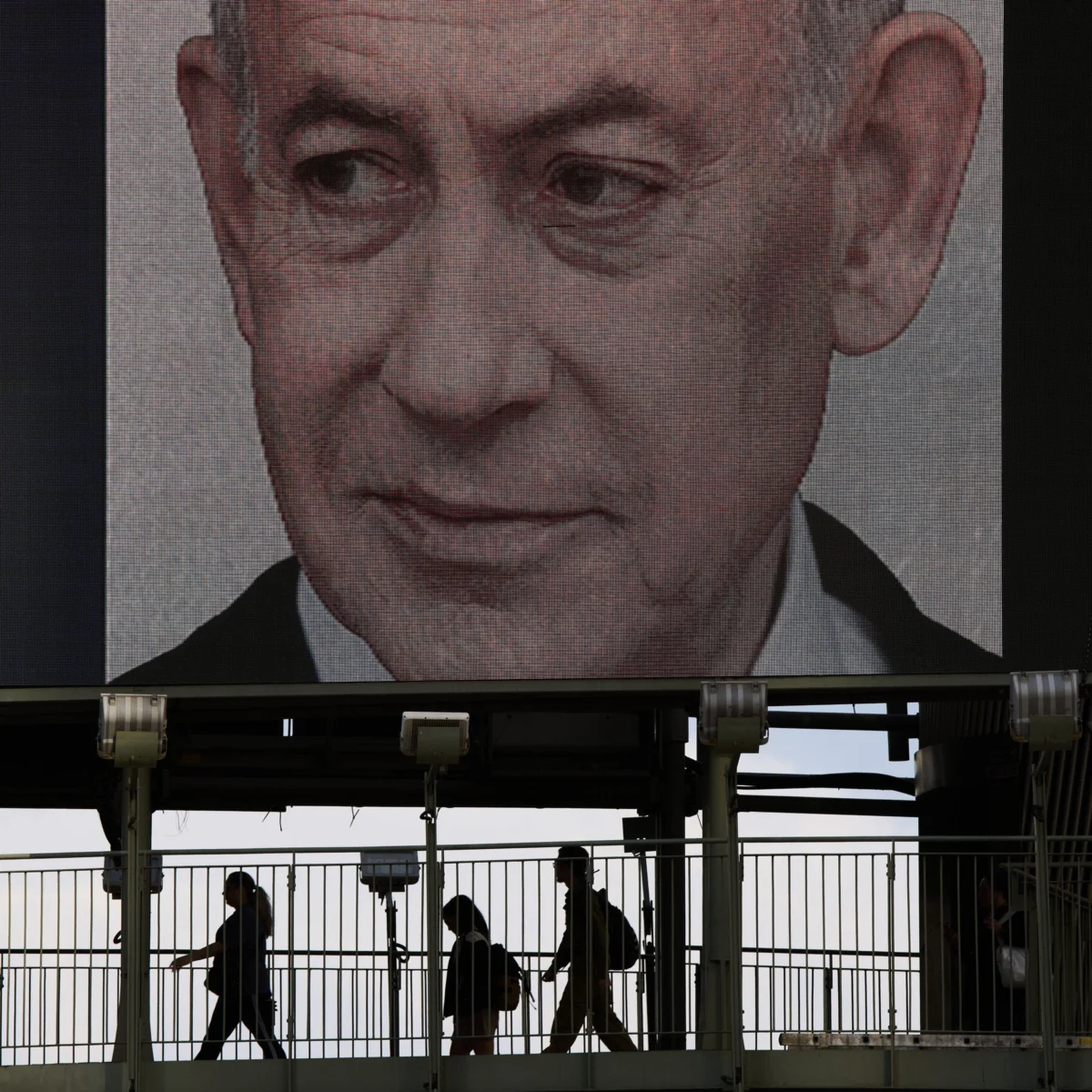
In a period marked by political upheaval, security challenges, and social division, Prime Minister Benjamin Netanyahu retains a dedicated base of support that has proven resilient even amid criticism over his government’s handling of national issues. This enduring backing, according to NYT analysis, underscores the deep polarization within Israeli society and the lasting influence of Netanyahu’s leadership style and party platform.
The persistence of Netanyahu support reflects a mix of ideological alignment, distrust in opposition figures, and skepticism toward proposed alternatives. Many supporters credit his tenure with maintaining national security and economic stability, while critics argue his prolonged hold on power has contributed to governance crises. These tensions reveal how personal loyalty often trumps policy dissatisfaction in shaping voter Sentiment.
Key Facts
- Three years of hardship have not diminished Netanyahu’s core support base.
- Prime Minister Benjamin Netanyahu continues to command strong backing from key segments of the population.
- Public opinion remains deeply divided along partisan lines.
- Despite criticism, Netanyahu maintains traction with voters who prioritize security and stability.
- Analysts describe the situation as a reflection of broader societal polarization.
What This Says About Israeli Society
The durability of Netanyahu support suggests that a significant portion of the electorate views him as central to Israel’s identity and strength. His base appears to see his leadership not just as a political choice but as a cultural stance, reinforcing narratives around sovereignty, resilience, and historical continuity. At the same time, repeated scandals and legal battles have failed to erode confidence among loyalists who distrust institutions perceived as hostile to his government.
This dynamic complicates efforts by centrist or left-leaning parties to build coalitions capable of unseating him. It also signals fatigue with cyclical elections and stalled reforms, which many interpret as worse than flawed but familiar rule. In this context, Netanyahu support becomes less about specific achievements and more about rejecting change driven by others.
How Did We Get Here?
Over the past three years, Israel has faced cascading crises—from judicial overhaul protests to wartime mobilization pressures—all unfolding under Netanyahu’s leadership. Each event intensified debates over democracy, equality, and statecraft, yet also galvanized distinct groups either behind or against him. For supporters, these trials confirmed their belief that only Netanyahu can navigate complex regional threats; detractors saw them as proof of mismanagement.
These contrasting readings of the same events illustrate why Netanyahu support cuts across traditional socio-economic divides. Rural communities, urban elites, immigrants, and secular citizens all find reasons—sometimes conflicting—to back him. Meanwhile, younger generations increasingly express disillusionment, raising questions about long-term electoral trends and generational shifts that may reshape future outcomes.
What We Know — and What We Don’t
Verified by the source:
- Netanyahu has retained core support despite three challenging years.
- His base remains intact even amid public scrutiny and political instability.
- Society is described as highly polarized, with clear divisions in public Sentiment.
Still unconfirmed:
- Exact percentage points or demographic breakdowns of Netanyahu support levels.
- Whether ongoing protests or policy changes will shift long-term allegiances.
- Specific polling methods or sample sizes cited in underlying reports.
Why It Matters
Understanding Netanyahu support helps clarify the trajectory of one of the Middle East’s most influential democracies. Persistent backing for an embattled leader reveals deep fault lines in governance, identity, and trust that affect everything from foreign relations to domestic cohesion. Whether this pattern holds or shifts will influence regional stability and international partnerships for years to come.
What To Watch
Future elections and potential legal developments could test the limits of Netanyahu support. As younger voices gain prominence and new leaders emerge, the balance might tilt—but for now, the status quo holds firm.