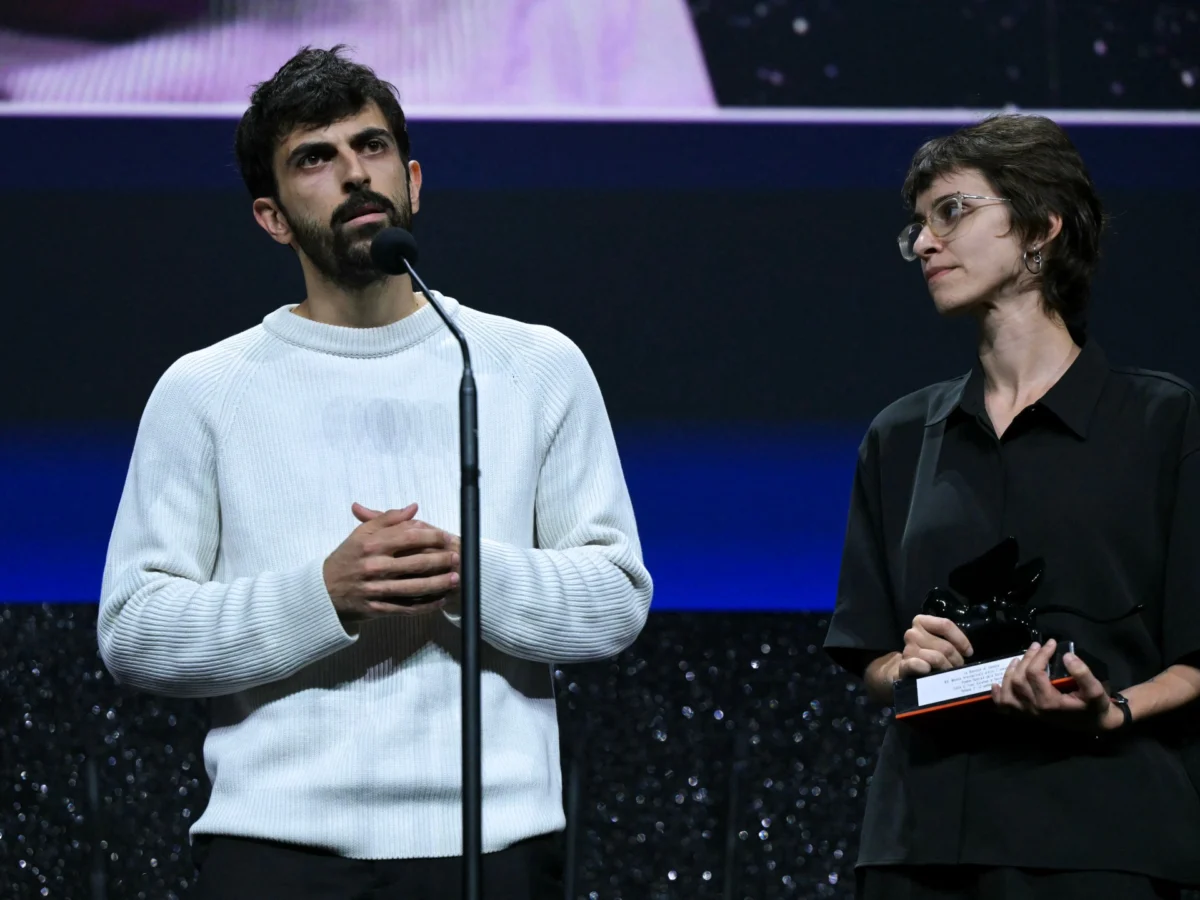
Israeli Prime Minister Benjamin Netanyahu has threatened to revoke the citizenship of filmmakers linked to the NAZA collective, following the release of a documentary that he says caused immense damage to Israeli soldiers. The announcement came as part of a broader promise to advance two legislative bills targeting what he described as harmful portrayals affecting the military’s reputation.
The prime minister’s statement marks a significant escalation in rhetoric surrounding artistic freedom and state security. While the filmmakers in question have not been publicly named, the government has signaled intent to pursue legal measures against those deemed responsible for undermining public confidence in the armed forces. The proposed bills, if passed, would broaden the scope of penalties available to the state in cases involving defamation or perceived threats to national interests.
Key Facts
- Israeli PM Benjamin Netanyahu threatens to revoke citizenship of NAZA filmmakers.
- He pledges to advance two bills to address alleged damage to Israeli soldiers.
- No specific names of individuals or details of the documentary were provided by the source.
- The statement concerns a group called NAZA connected to documentary filmmaking.
What This Means
The threat represents a rare move by a sitting prime minister to suggest stripping citizenship based on artistic output. Such action would likely require new legal frameworks or amendments to existing nationality laws. Legal experts have previously warned that revoking citizenship is typically reserved for cases involving security threats or dual nationality in wartime. Applying such measures to journalists or filmmakers raises concerns over press freedom and civil liberties.
Netanyahu’s pledge appears tied to public sentiment regarding media coverage of military operations. In recent years, several documentaries produced by independent collectives have drawn criticism from government officials for their depiction of conflict zones. The NAZA group’s work remains largely unknown internationally, though local reports indicate it focuses on narratives critical of state policies.
Who Is Affected?
While no specific filmmakers have been identified, the broader community of independent creators in Israel may face increased scrutiny or self-censorship moving forward. The lack of clarity around who exactly falls under the NAZA label complicates efforts to assess the immediate impact. Human rights advocates have already voiced concern over any attempt to penalize artistic expression through punitive state action.
Citizenship revocation proceedings often involve complex judicial reviews. Even if new bills are introduced, any measure targeting individuals must pass constitutional scrutiny. Past attempts to limit freedoms under security guises have faced backlash both domestically and abroad. The international community tends to monitor such developments closely due to precedents set in other democracies.
Verified by the source:
- Benjamin Netanyahu is the Israeli prime minister.
- He threatened to revoke citizenship of NAZA filmmakers.
- He pledged to advance two bills related to damage done to soldiers.
Still unconfirmed:
- Names of the specific filmmakers involved.
- Title or content of the documentary they produced.
- Details of the two proposed bills.
- Legal mechanisms available for executing the threat.
This latest development underscores growing tensions between free speech advocates and policymakers in Israel, echoing debates seen globally where national security and civil rights intersect. How this situation unfolds could set a precedent for how democracies balance expression with perceived threats to state institutions.
Watch closely as the Knesset considers whether to debate or vote on the proposed legislation, and how domestic courts respond to any formal applications for citizenship revocation.