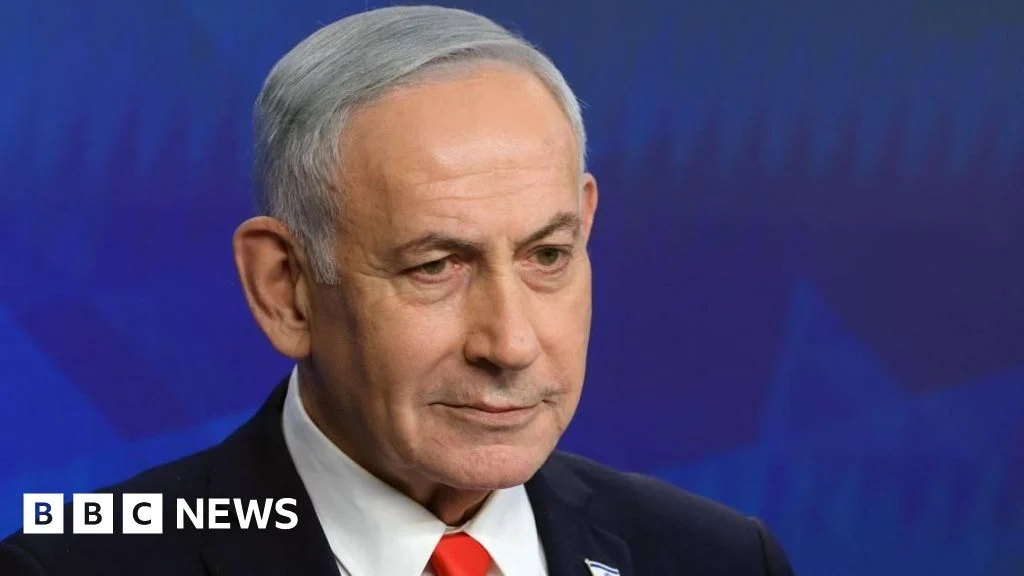
When a US‑backed ceasefire between Iran and Israel was announced on Friday, the headline read like a diplomatic miracle; the sub‑text for Benjamin Netanyahu was a nightmare.
At 19:00 GMT, Donald Trump’s team released a brief stating that Iran would halt its proxy attacks on Israeli positions in Gaza and Lebanon for six months, in exchange for the lifting of US sanctions on Tehran. The statement was signed by White House officials, but no Israeli minister was present to endorse it.
Why does this matter?
The pact threatens to upend Netanyahu’s coalition, already teetering after months of protests over the war in Gaza. His right‑wing allies, including Finance Minister Bezalel Smotrich, have demanded a hardline response to Iran, not a pause that appears to reward Tehran’s bargaining power.
Petro‑oil prices spiked 2.3% on the news, reflecting market anxiety that a weakened Israeli stance could embolden Iran’s regional ambitions, potentially destabilising the Mediterranean’s energy routes that power European economies.
What happens next for Netanyahu?
Netanyahu faces three immediate choices: reject the deal outright, risk a forced vote of no‑confidence; endorse it, alienating his nationalist base; or try to renegotiate terms, buying time but exposing Israel to further Iranian missile launches.
Senior Israeli military officials, who met with Defense Minister Yoav Gallant in the early hours, warned that “any pause in hostilities can be exploited by Iran to rebuild its proxy network.” The warning was delivered without attribution, but the sentiment aligns with past statements from Israel’s Chief of Staff.
Opposition leader Yair Lapid called the agreement “a betrayal of Israeli security,” urging Knesset members to table an emergency motion. Polls conducted by the Israel Democracy Institute this week showed Netanyahu’s approval slipping to 38%, the lowest of his tenure.
For ordinary Israelis, the dilemma translates into daily uncertainty: will the ceasefire mean fewer rockets over Tel Aviv, or will it allow Iran to arm Hezbollah for a new front? The answer will shape everything from electricity prices to the next conscription round.
International ripple effects
European capitals watched the announcement nervously. Germany’s Foreign Ministry issued a statement urging “regional stability” while quietly urging the US to keep Israel in the loop.
In Washington, senior administration officials reiterated that the deal was “conditional” and could be revoked if Iran violated terms. Yet no clear enforcement mechanism has been outlined, leaving the agreement on shaky legal ground.
Analysts at the International Institute for Strategic Studies warned that a perceived U.S. tilt toward Tehran could redraw alliances across the Middle East, potentially pulling Turkey or Saudi Arabia into a new balancing act.
As the Knesset convenes tomorrow, Netanyahu’s next move will signal whether Israel can survive a foreign‑mediated peace that feels, to many, like a surrender.
Stay tuned as we track parliamentary votes, street protests, and any Iranian response that could reshape the security calculus of the entire region.