Israeli Prime Minister Benjamin Netanyahu has rejected a US-backed plan for Gaza and vowed no Israeli withdrawal until Hamas disarms, escalating tensions in the region.
The 15-point plan, reportedly hailed by former US President Donald Trump, was dismissed by Netanyahu, who insists on Hamas’ disarmament as a precondition for any agreement.
Key Facts
- Netanyahu rejects US-backed Gaza plan requiring Israeli withdrawal
- Vows no withdrawal until Hamas disarms
- Plan was previously supported by Donald Trump
- Iranian President Pezeshkian met with Supreme Leader Khamenei in late July
- Khamenei has not been seen publicly since March
What’s Behind Netanyahu’s Stance?
Netanyahu’s refusal to accept the US proposal marks a significant hardening of Israel’s position in ongoing negotiations. The prime minister’s demand for Hamas to disarm before any Israeli withdrawal represents a fundamental shift from previous diplomatic efforts that envisioned simultaneous steps.
What Does This Mean for Gaza?
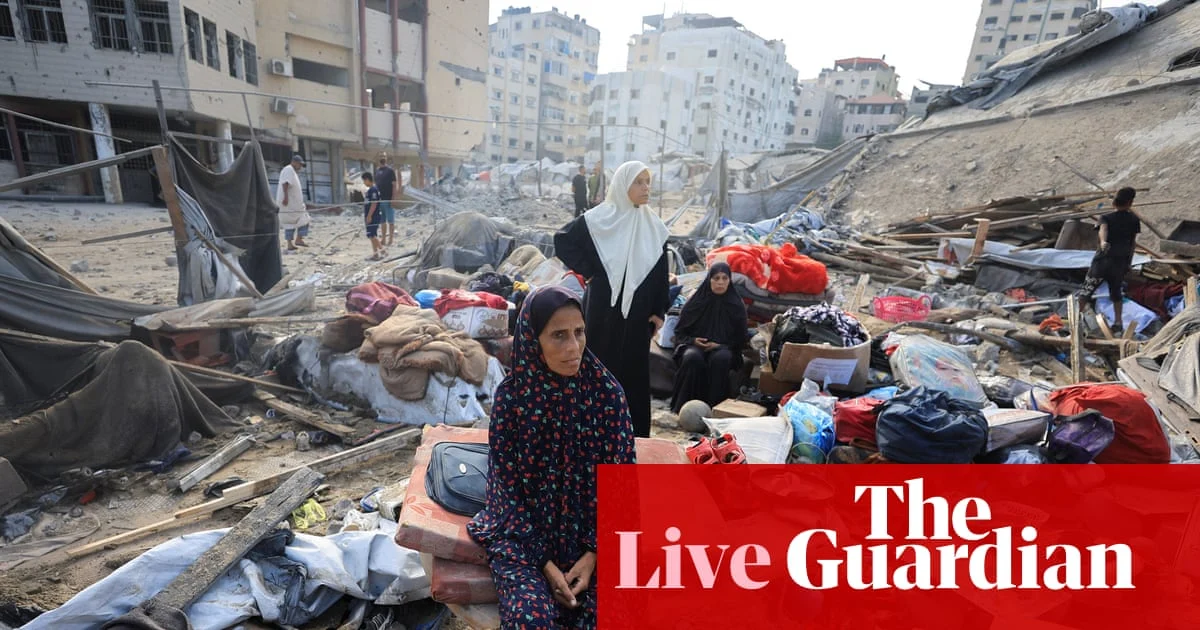
The rejection of the US plan leaves the Gaza conflict without a clear diplomatic path forward. With Netanyahu insisting on Hamas’ disarmament as an absolute precondition, prospects appear dim for a negotiated settlement in the near term, potentially prolonging the humanitarian crisis in Gaza.
What We Know — and What We Don’t
Verified by the source:
- Netanyahu has rejected the US Gaza plan
- He demands Hamas disarmament before any withdrawal
- The plan had been supported by Donald Trump
Still unconfirmed:
- The specific details of the 15-point US plan
- How Hamas might respond to disarmament demands
- Whether the US will modify its proposal
Why It Matters
Netanyahu’s stance significantly raises the stakes in the Gaza conflict, potentially prolonging tensions between Israel and Hamas at a time when civilian suffering in Gaza remains acute. The rejection of a US-backed plan also highlights growing diplomatic tensions between Israel and its closest ally.
What To Watch
Attention now turns to Hamas’ response to Netanyahu’s disarmament demand and whether the US will modify its proposal to revive diplomatic efforts. Meanwhile in Iran, continued absence of public appearances by Supreme Leader Khamenei may fuel speculation about leadership stability.