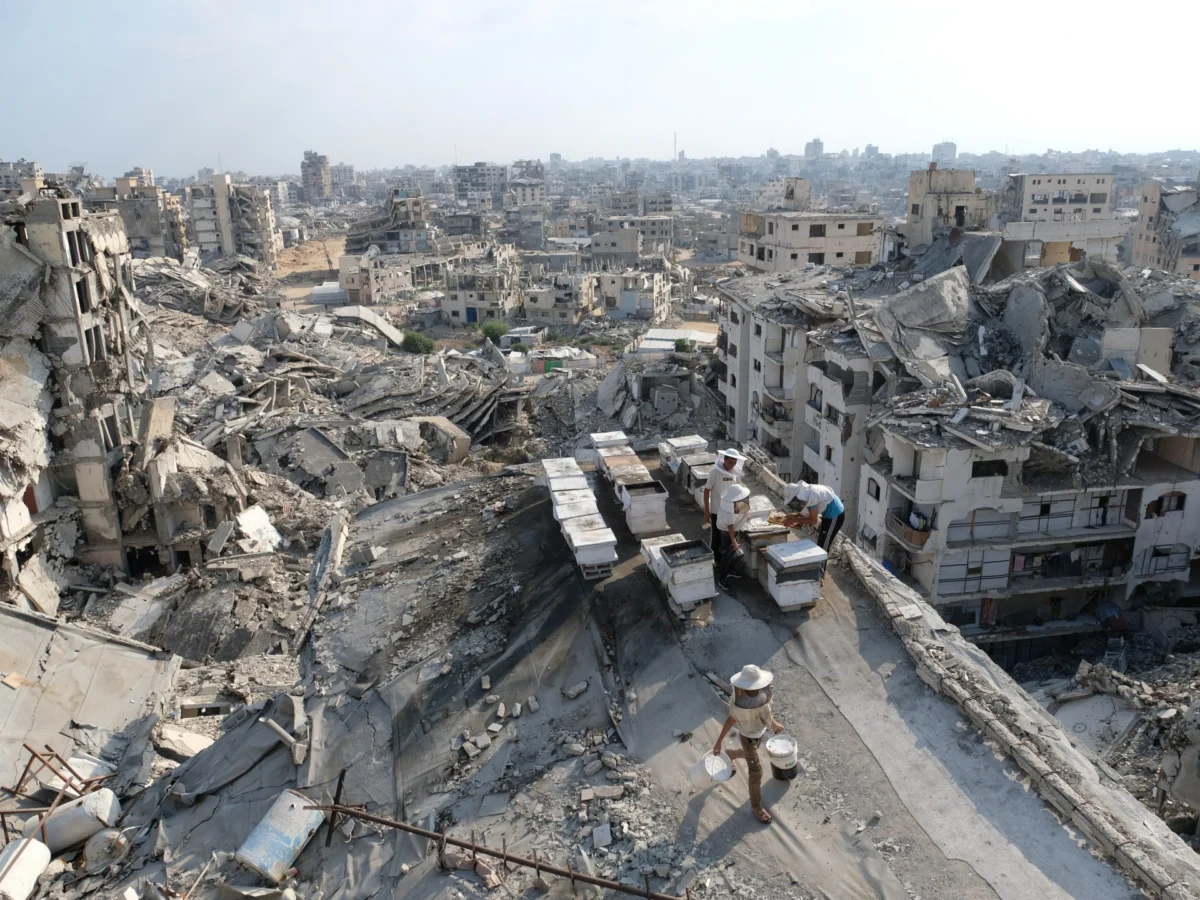
Israeli Prime Minister Benjamin Netanyahu rejected a 15-point peace plan proposed by former U.S. President Donald Trump, even as attacks in Gaza decreased significantly this week. The development highlights ongoing tensions in the region despite a temporary reduction in violence.
KEY FACTS
- Israeli Prime Minister Benjamin Netanyahu publicly rejected a 15-point peace plan proposed by former U.S. President Donald Trump.
- Attacks in Gaza slowed sharply this week.
- The situation reflects ongoing tensions despite the decrease in violence.
WHY IS NETANYAHU REJECTING THE PLAN?
Netanyahu’s dismissal of the Trump peace plan suggests a reluctance to commit to a specific framework for resolving the Israeli-Palestinian conflict. While the details of the proposal are not specified in the source, the Israeli leader’s public rejection indicates potential disagreements over terms or timing. This comes amid fluctuating violence levels in Gaza, where attacks have recently declined.
WHAT DOES THE GAZA VIOLENCE DECLINE MEAN?
The sharp reduction in attacks within Gaza this week may signal a temporary de-escalation, though the broader conflict remains unresolved. The source does not specify whether this decrease resulted from diplomatic efforts, operational pauses, or other factors. Observers will watch whether the trend continues amid Netanyahu’s rejection of the proposed peace roadmap.
WHAT WE KNOW — AND WHAT WE DON’T
Verified by the source:
- Netanyahu publicly rejected Trump’s 15-point peace plan
- Gaza attacks declined sharply this week
Still unconfirmed:
- The specific contents of Trump’s peace proposal
- Whether the Gaza violence decrease is part of a formal truce
- How other regional actors view Netanyahu’s rejection
WHY IT MATTERS
The Israeli-Palestinian conflict remains one of the world’s most intractable disputes, with periodic violence causing humanitarian crises in Gaza. Netanyahu’s rejection of a U.S.-backed peace plan suggests potential obstacles to diplomatic solutions, even during periods of reduced fighting. The situation warrants close monitoring as it affects regional stability and international relations.
WHAT TO WATCH
Observers will monitor whether the reduction in Gaza violence continues and if other parties respond to Netanyahu’s rejection of the peace proposal. Future developments may clarify whether this represents a temporary lull or potential movement toward broader negotiations.