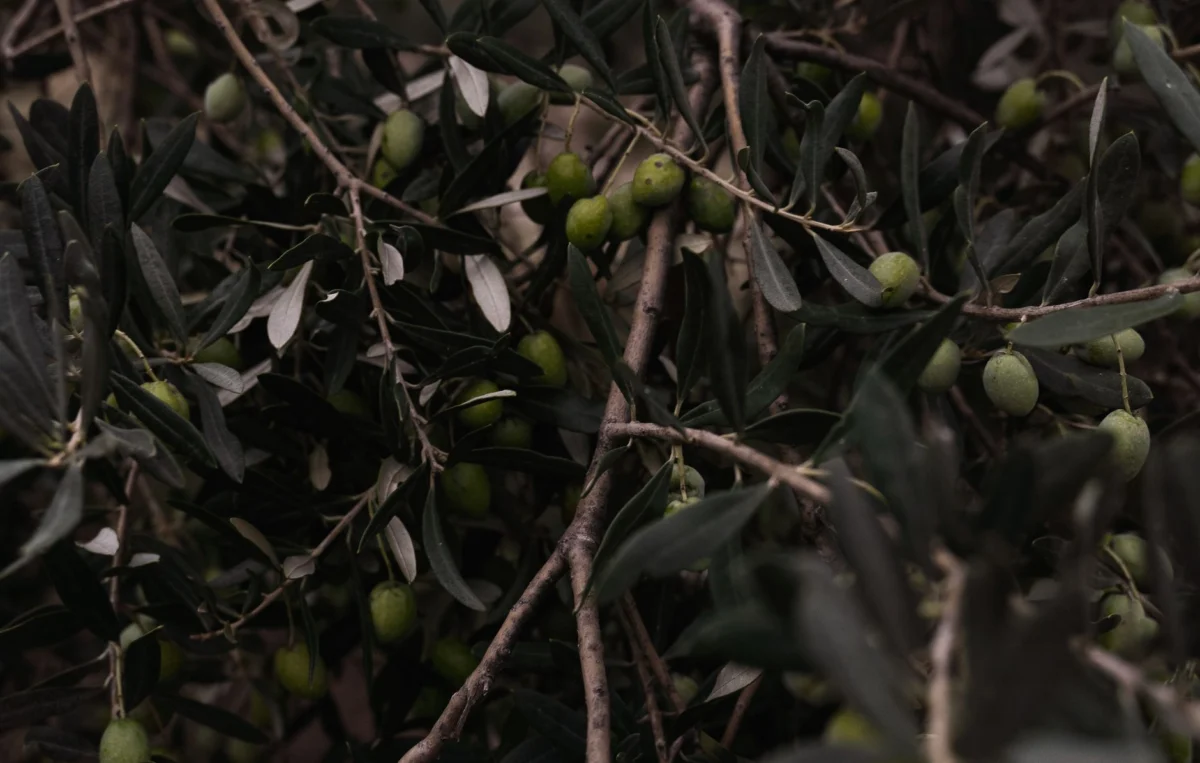
During his Netanyahu U.N. address, the Israeli prime minister called Mamdani the antisemitic mayor of New York. This remark came as Mamdani appeared publicly alongside Palestinians to plant an olive tree, an event that drew attention during the U.N. General Assembly session.
The exchange highlights rising tensions around Israel’s diplomatic outreach at the United Nations, where leaders from around the world gather annually. Mamdani’s participation in a symbolic olive tree planting underscores ongoing gestures tied to Palestinian solidarity, while Netanyahu’s comments reflect sharper language used in his speeches targeting critics.
Key Facts
- Netanyahu called Mamdani ‘antisemitic mayor of New York’ during his UN address.
- Mamdani planted an olive tree with Palestinians during the UN General Assembly session.
- Netanyahu’s remarks were part of his annual UN address to member states.
The Story
What happened at the olive tree planting?
Mamdani took part in a symbolic olive tree planting alongside Palestinian participants during the U.N. General Assembly period. The olive tree holds deep cultural significance for Palestinians, often representing rootedness, peace, and resistance. Such actions have previously drawn both praise and criticism from various international actors.
The timing of this event coincided with Netanyahu’s scheduled speech to the General Assembly, amplifying media coverage and political reaction. While no direct confrontation occurred on stage, Netanyahu later referenced the incident indirectly through his characterization of Mamdani.
This moment adds to a broader pattern of diplomatic friction at recent U.N. gatherings, where symbolic gestures and strong rhetoric often intersect. Events like tree plantings carry layered meanings depending on one’s perspective—some view them as peaceful gestures, others as politically charged statements.
Who is affected by these remarks?
Mamdani, as a public figure holding municipal office, becomes a focal point when national and international leaders critique him. Being labeled antisemitic by a foreign leader can impact domestic support and public perception, particularly within communities sensitive to such accusations.
Palestinian observers and supporters also find themselves implicated, given the association drawn between their symbolic act and the criticism leveled. These dynamics influence how future dialogues between local officials and international delegations unfold.
Additionally, audiences watching via global news outlets receive filtered interpretations that shape narrative framing. Whether viewed as legitimate critique or politicized attack, the fallout affects discourse beyond immediate participants.
What We Know — and What We Don’t
Verified by the source:
- Netanyahu referred to Mamdani as the antisemitic mayor of New York in his U.N. speech.
- An olive tree was planted by Mamdani together with Palestinians during the U.N. session.
Still unconfirmed:
- The specific date and location of the olive tree planting inside or near U.N. grounds.
- Mamdani’s official response or rebuttal to being called antisemitic.
- Whether other delegates reacted publicly to Netanyahu’s comment.
Netanyahu U.N. address continues to draw scrutiny amid complex geopolitics surrounding the Middle East conflict. Read more in our war-geopolitics archive.
Why It Matters
Public exchanges like this influence how international diplomacy unfolds in multilateral spaces. As municipal leaders engage globally, interactions with heads of state help shape narratives about justice, identity, and accountability.
These moments matter because they affect voter sentiment, community trust, and cross-border communication. Understanding the stakes helps readers track evolving relationships between cities and nations.
What To Watch
Further statements or responses from either party could clarify positions taken during the U.N. General Assembly. Monitor developments in politics for updates.