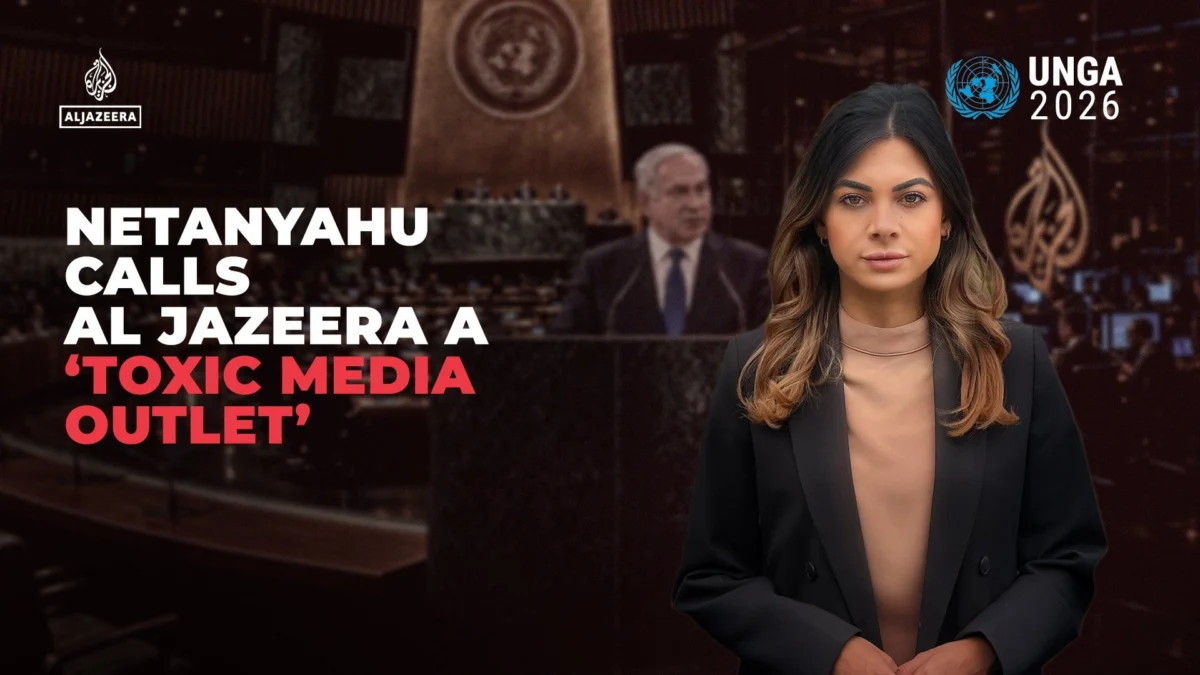
Israeli Prime Minister Benjamin Netanyahu called Al Jazeera a ‘toxic media outlet,’ according to a report published by Al Jazeera. The statement adds to ongoing tensions between the Qatari-owned broadcaster and Israeli leadership.
The remark was reported by Al Jazeera itself, which did not provide additional context or response within the covered article. Netanyahu has previously criticized international media outlets, particularly those with Middle Eastern funding sources, for what he describes as biased coverage.
The accusation reflects broader diplomatic and media-related friction between Israel and Qatar, which funds Al Jazeera. While many Western governments engage diplomatically with Qatar over regional security issues, Israeli leaders have frequently criticized Doha’s media influence.
KEY FACTS
- Benjamin Netanyahu called Al Jazeera a ‘toxic media outlet’.
- The statement was reported by Al Jazeera.
- No further context or official response was provided.
What happened and why it matters
Netanyahu’s criticism places Al Jazeera at the center of another high-level political dispute. Al Jazeera, funded by Qatar, operates in over 100 countries and often faces scrutiny from governments critical of its editorial stance. Whether this latest remark signals new policy action or continues rhetorical opposition remains unclear.
The exchange fits into a pattern where Netanyahu frames certain international broadcasters as threats to national narratives. Previous instances involved complaints about BBC and CNN coverage, though direct name-calling is less common.
Al Jazeera has not issued a response in the reported article. Media watchdog organizations or press freedom groups may weigh in depending on whether the statement prompts formal complaints or sanctions.
Who is affected by this criticism
Beyond Netanyahu and Al Jazeera, the comment impacts perceptions among viewers who rely on either outlet for news. It also influences intergovernmental relationships, especially between Israel and Qatar, both of whom maintain strategic interests in the region despite limited formal ties.
For journalists working under threat from state-sponsored hostility, such remarks reinforce concerns about escalating risks. International bodies monitoring press freedom might use this incident when evaluating freedom indices annually.
Meanwhile, domestic audiences in Israel and Qatar may interpret the statement through existing biases. In Israel, some view Al Jazeera as promoting anti-Israel sentiment; in Qatar, it is seen as representing independent Muslim perspectives globally.
What we know — and what we don’t
Verified by the source:
- The Prime Minister of Israel made a statement criticizing Al Jazeera.
- That statement included calling the outlet ‘toxic’.
- Al Jazeera reported the event without quoting additional officials.
Still unconfirmed:
- The exact time, date, or venue of the statement.
- Whether there was an official transcript released by the Israeli government.
- If any Israeli ministry plans follow-up measures against Al Jazeera.
Why it matters
This incident underscores how modern conflicts extend beyond military or diplomatic channels into media warfare. When sitting prime ministers publicly label foreign news networks as toxic, it raises questions about free expression protections and potential chilling effects on journalism worldwide.
It also highlights the role of state-aligned media like Al Jazeera in shaping global narratives. For SourceRated readers tracking geopolitical developments, such moments matter because they reflect evolving alliances and ideological divides. Those following political discourse should note how language used by leaders influences public trust in information sources.
What to watch
Readers should watch for whether the Israeli government issues formal documentation supporting or clarifying Netanyahu’s remarks. Additional statements from either party could change the trajectory of this story.
Meta description: Israeli PM Netanyahu called Al Jazeera a toxic media outlet, citing longstanding tensions linked to its Qatari funding and editorial stance.