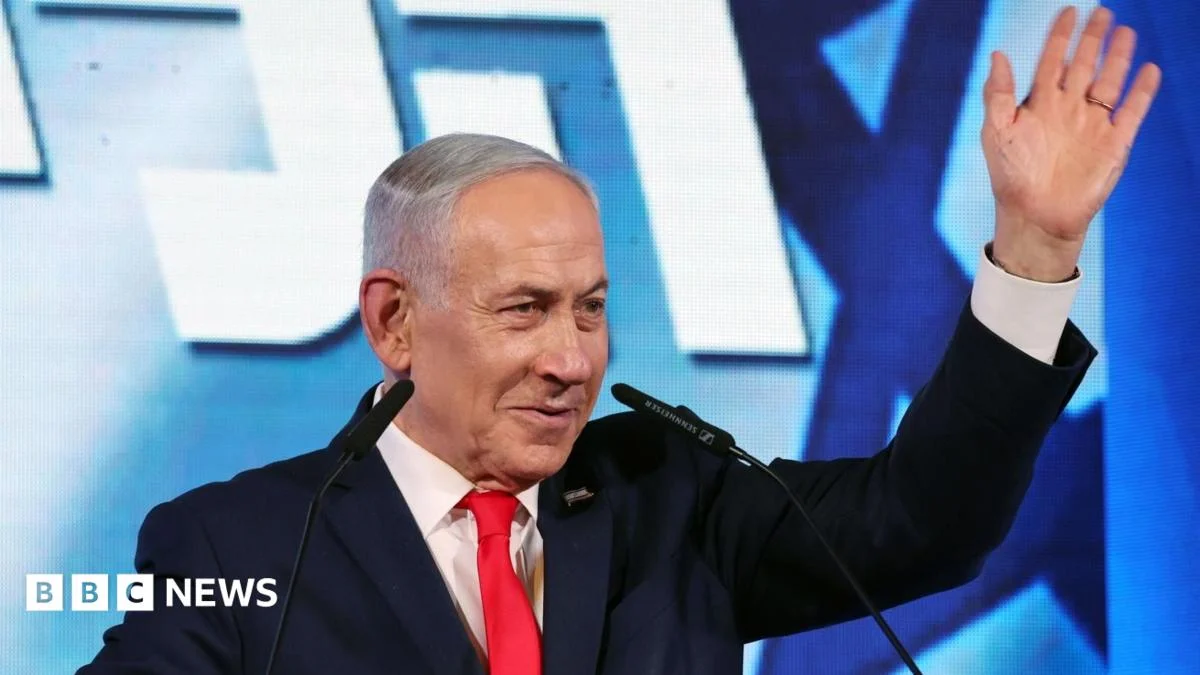
With roughly 85% of ballots counted, Benjamin Netanyahu’s political bloc is ahead but has not secured a majority in Israel’s Knesset. The bloc, led by Netanyahu’s Likud party and its allies, holds 53 of the 120 parliamentary seats, leaving the final outcome uncertain until remaining votes are tallied.
The partial results indicate a tight race for coalition-building, as no single party has crossed the threshold needed to form a government outright. This means negotiations among parties will likely determine the next prime minister. The Israel election remains too close to call definitively, with key constituencies still uncounted.
Key Facts
- 85% of ballots counted in the Israel election.
- Netanyahu’s bloc leads with 53 of 120 Knesset seats.
- His bloc includes the Likud party and allied parties.
- No majority achieved; 53 seats fall short of the 61-seat threshold.
- Final results pending from remaining uncounted ballots.
Why this matters
The Israel election determines leadership during a period of ongoing regional tensions. A shift in power could influence diplomatic relations, security policy, and domestic priorities. With no clear winner, coalition talks may take weeks, prolonging political uncertainty.
What happens next?
Israeli electoral law requires the president to task a party leader with forming a government, typically offering the chance to the candidate most likely to command a majority. If Netanyahu’s bloc remains at 53 seats, he may seek alliances with smaller parties to reach a governing coalition. Alternatively, the opposition could consolidate support to challenge his bid for premiership.
Coalition negotiations often involve policy concessions, ministerial appointments, and agenda compromises. These discussions can reshape the direction of national governance, particularly on issues like defense, economic policy, and judicial reform. Observers note that fragmented results increase the likelihood of a minority government or a rotation agreement between rivals.
Background on the Knesset system helps clarify the stakes. Israel uses nationwide proportional representation with a low threshold for entry, encouraging multiple parties. This structure frequently produces evenly divided parliaments, making post-election negotiation a defining feature of democratic life. The current tally reflects that pattern, with centrist and right-wing blocs closely matched.
What We Know — and What We Don’t
Verified by the source:
- 85% of ballots counted in the Israel election.
- Netanyahu’s bloc holds 53 of 120 seats.
- Includes Likud party and allied parties.
- Majority threshold is 61 seats.
Still unconfirmed:
- Vote breakdown among opposition parties.
- Number of uncounted ballots remaining.
- Timelines for coalition negotiations.
- Names of potential coalition partners.
Why It Matters
Israeli democracy depends on stable governance, yet repeated elections and narrow majorities have tested institutions. The result of this Israel election could deepen divisions or offer a path toward unity, depending on how leaders choose to build coalitions. Regional allies and international observers are watching closely for signals about future policy directions.
What To Watch
All remaining ballots must be counted before final seat allocation is confirmed. The president’s decision on who gets first chance to form a government will follow shortly after official results are certified. Analysts expect delays if no party nears the 61-seat majority.