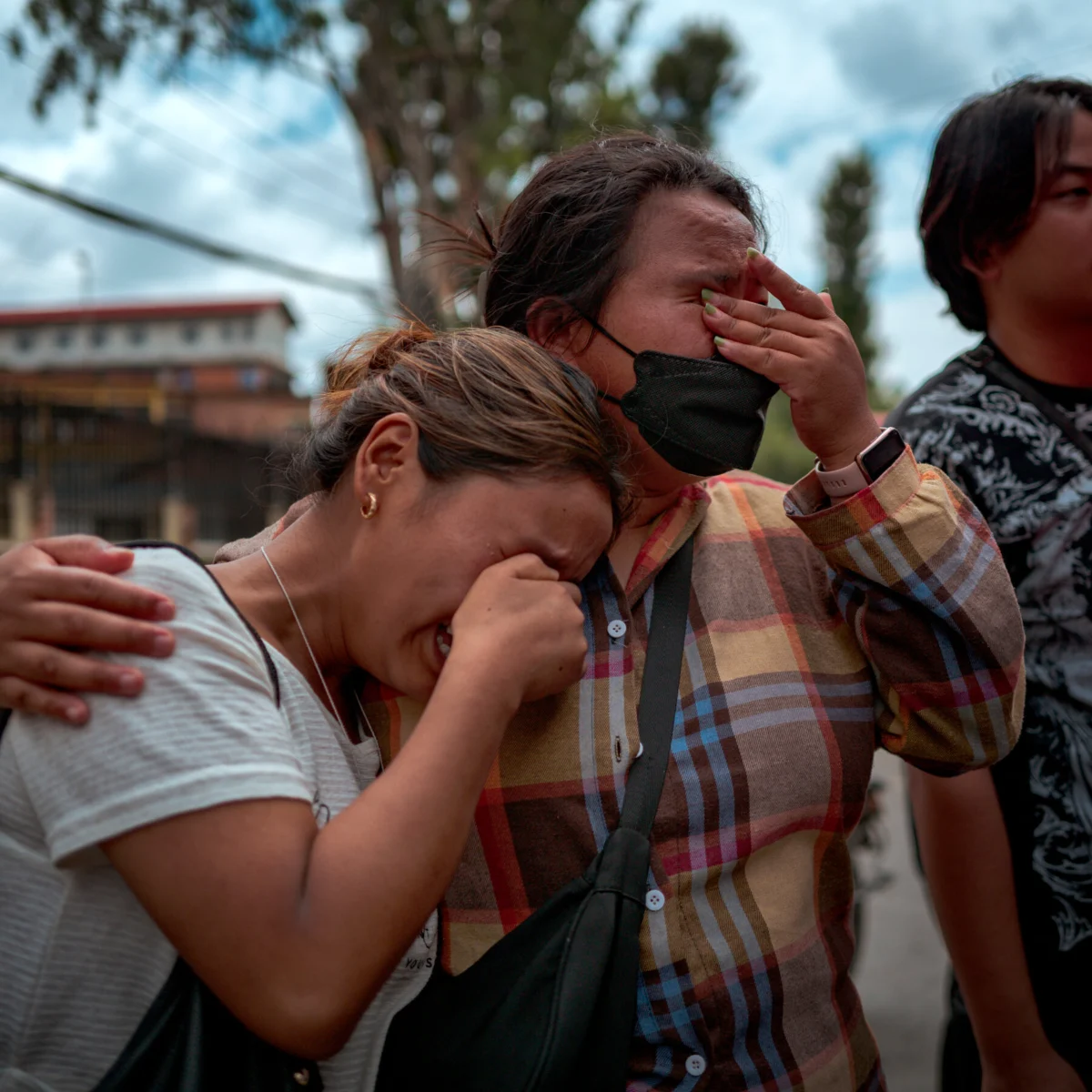
Devastating floods in Nepal have left hundreds of bodies along riverbanks, overwhelming the capacity of local authorities to handle them. The remains, carried downstream by powerful floodwaters, present a grim challenge for the city’s already strained resources.
The scale of the tragedy has yet to be fully assessed, but early reports indicate that the number of bodies is beyond what local morgues and emergency services can process efficiently. The situation highlights the dire aftermath of extreme weather events in vulnerable regions.
KEY FACTS
- Hundreds of bodies have washed downstream after floods in Nepal.
- The remains are overwhelming local authorities and morgues.
- The floods were described as devastating.
What Happened?
The floods, described as devastating, have left a trail of destruction, with hundreds of bodies found along riverbanks. The remains were carried downstream by the powerful floodwaters, creating a logistical and humanitarian crisis for local authorities.
Such extreme weather events are not uncommon in Nepal, where monsoon rains often lead to flooding. However, the scale of this event appears to be particularly severe, with the number of bodies exceeding normal response capacities.
Who Is Affected?
The floods have primarily impacted communities along the riverbanks, where the bodies have washed ashore. Local authorities, including morgues and emergency services, are struggling to manage the sheer volume of remains.
This situation also has broader implications for public health and sanitation, as the presence of unclaimed bodies can pose significant risks. The emotional toll on families searching for missing loved ones adds another layer of tragedy to the disaster.
WHAT WE KNOW — AND WHAT WE DON’T
Verified by the source:
- Hundreds of bodies have been found along riverbanks after floods in Nepal.
- Local authorities are overwhelmed by the number of remains.
Still unconfirmed:
- The exact number of bodies recovered or still missing.
- The specific areas most affected by the flooding.
- Whether the floods were caused solely by monsoon rains or other factors.
WHY IT MATTERS
This tragedy underscores the vulnerability of communities in flood-prone regions and the urgent need for better disaster preparedness. The overwhelming number of bodies also highlights gaps in local infrastructure and emergency response capabilities, which could have broader implications for public health and safety.
WHAT TO WATCH
Local authorities are expected to continue recovery efforts, but the full extent of the damage and loss of life may not be known for some time. Updates from official sources will be crucial in understanding the scale of the disaster and the steps being taken to address it.