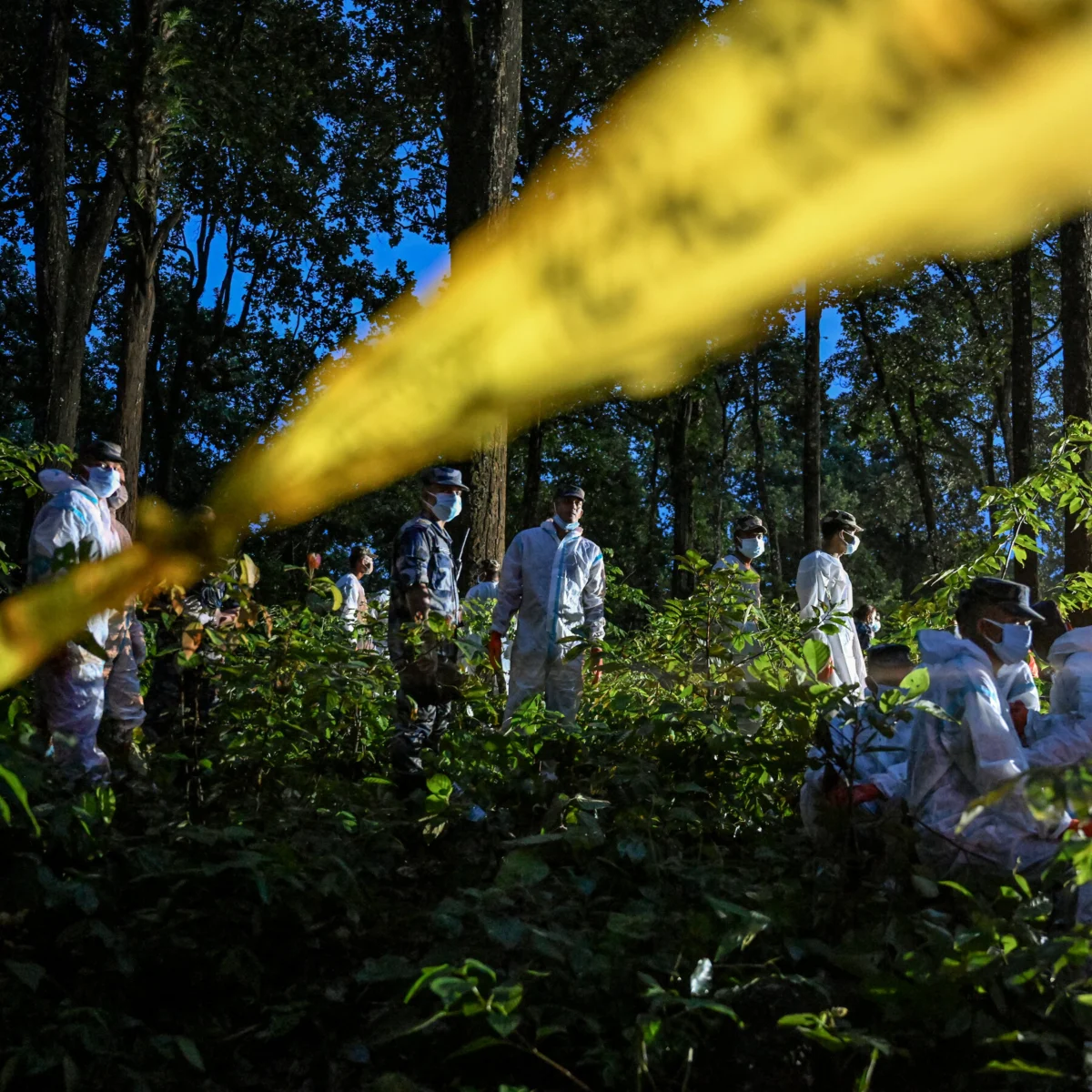
Nepal has commenced mass burials in the wake of severe flooding, with thousands of individuals still reported missing. This somber development comes as only a small fraction of the over 2,500 missing people have been identified among the deceased, indicating a grim forecast for the ongoing crisis.
The current situation highlights a stark reality: the total number of fatalities from the Nepal floods is anticipated to continue climbing in the coming days. Authorities are grappling with the immense scale of the disaster, as efforts to locate the missing and process the deceased proceed.
Key Facts
- Nepal is conducting mass burials.
- Over 2,500 people remain missing from floods.
- Only a fraction of the missing are among the dead.
- The death toll is expected to rise for days.
The Humanitarian Challenge
The decision to conduct mass burials underscores the overwhelming nature of the crisis facing Nepal. With only a limited number of the reported missing individuals being found among the deceased, the process of identifying victims and providing dignified burials becomes increasingly complex. This approach is often taken in mass casualty events to manage the sheer volume of fatalities and prevent further public health issues.
The disparity between the number of missing and the number of recovered bodies points to the profound impact of the disaster. Many victims may have been swept away or buried in inaccessible areas, complicating recovery efforts. The ongoing search for those unaccounted for remains a critical priority amidst the humanitarian response.
What does the rising death toll signify?
The expectation that the death toll will continue to rise for days to come reflects the severe and widespread impact of the Nepal floods. The phrase “only a fraction” emphasizes that the current confirmed fatalities do not represent the full extent of the loss of life. As recovery operations persist and more areas become accessible, further discoveries are anticipated.
This projection paints a bleak picture for affected communities, who face prolonged uncertainty regarding the fate of their loved ones. The sustained increase in the death toll will place additional strain on national resources and response teams, highlighting the need for continued support and assistance in the aftermath of the natural disaster.
What We Know — and What We Don’t
Verified by the source:
- Nepal has resorted to mass burials due to flooding.
- Over 2,500 people are missing.
- A small percentage of the missing have been found among the dead.
- The death toll is predicted to increase in the coming days.
Still unconfirmed:
- The exact number of confirmed fatalities so far.
- Specific locations where mass burials are taking place.
- The cause or triggers of the floods.
- The full extent of damage to infrastructure or homes.
- The specific challenges faced in recovering the missing.
Why It Matters
The situation in Nepal highlights the devastating human cost of natural disasters and the challenges faced by nations in their aftermath. The large number of missing persons and the grim reality of mass burials underscore a profound humanitarian crisis, affecting countless families and placing immense pressure on public services. This event serves as a stark reminder of the vulnerability of communities to extreme weather events.
What To Watch
Ongoing efforts to locate the thousands of missing persons will be critical in the coming days, as will further updates on the official death toll as recovery operations continue.